


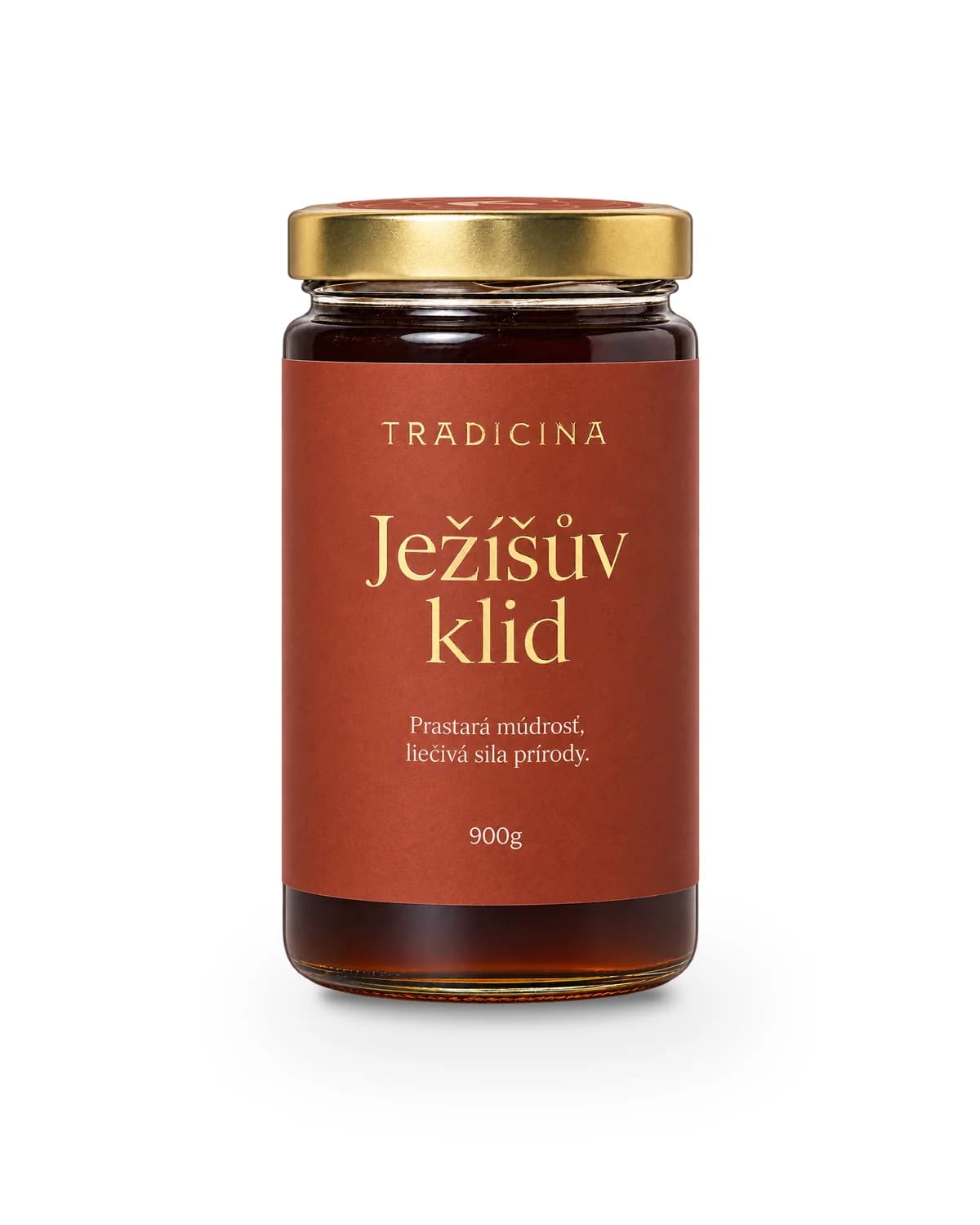
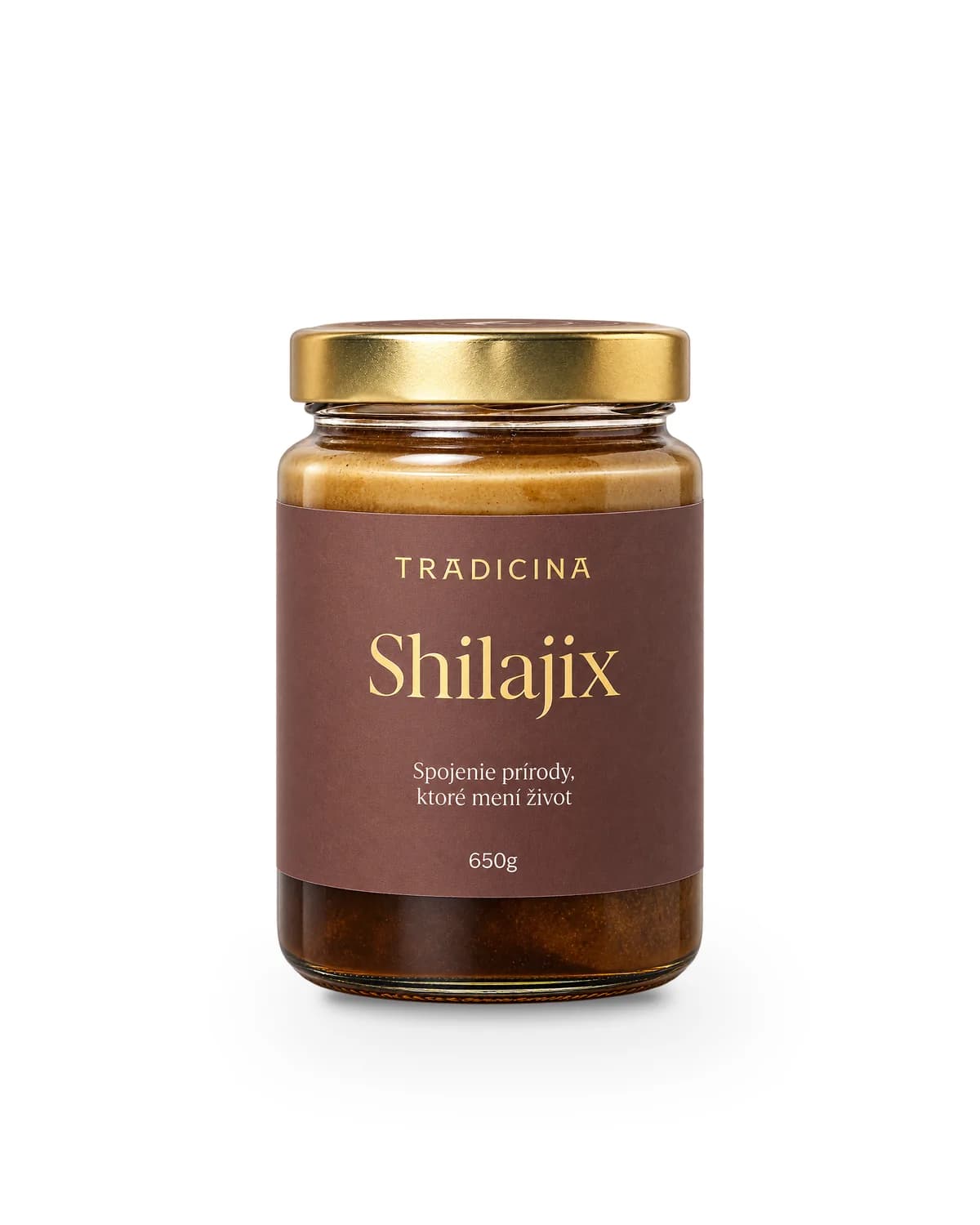
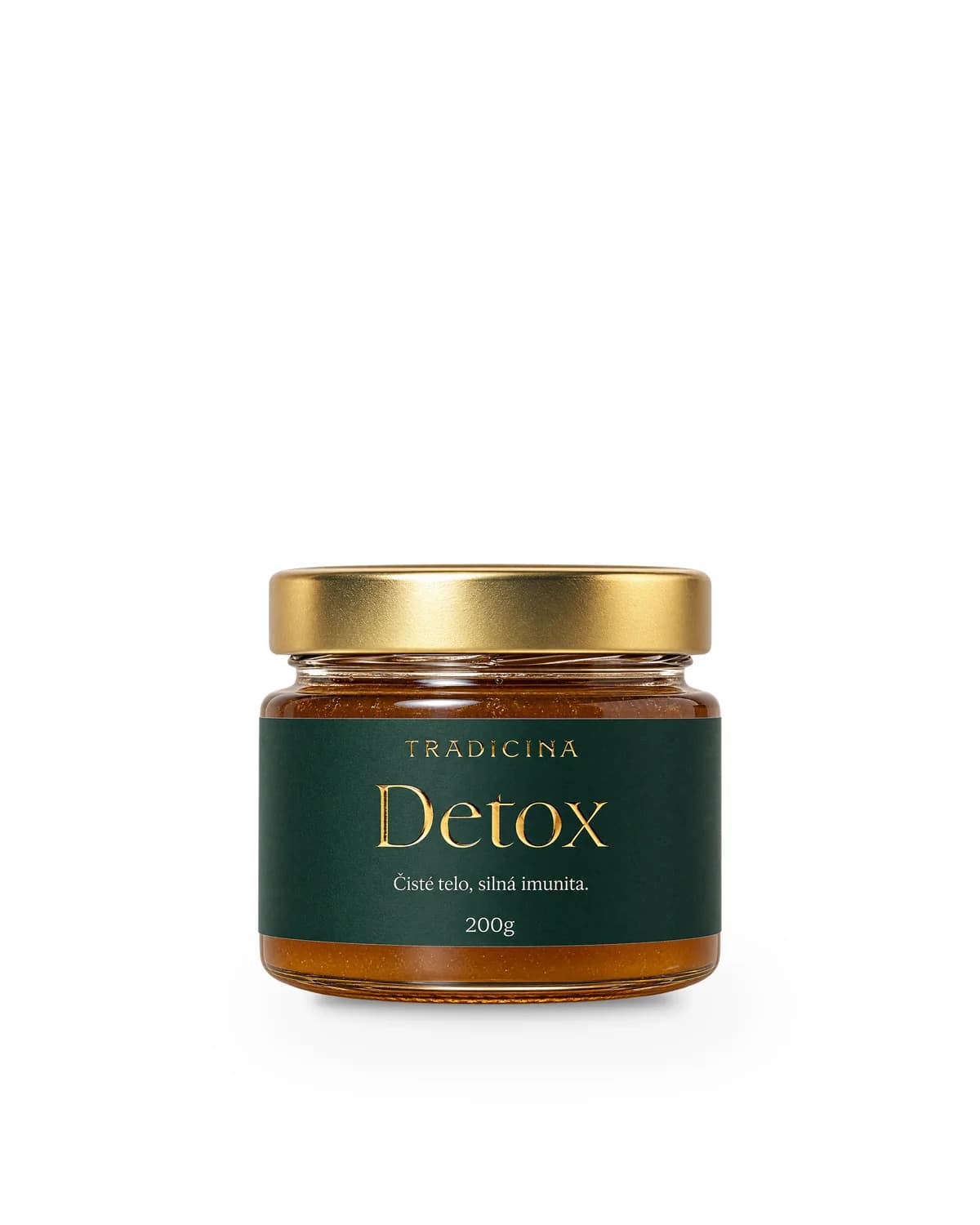
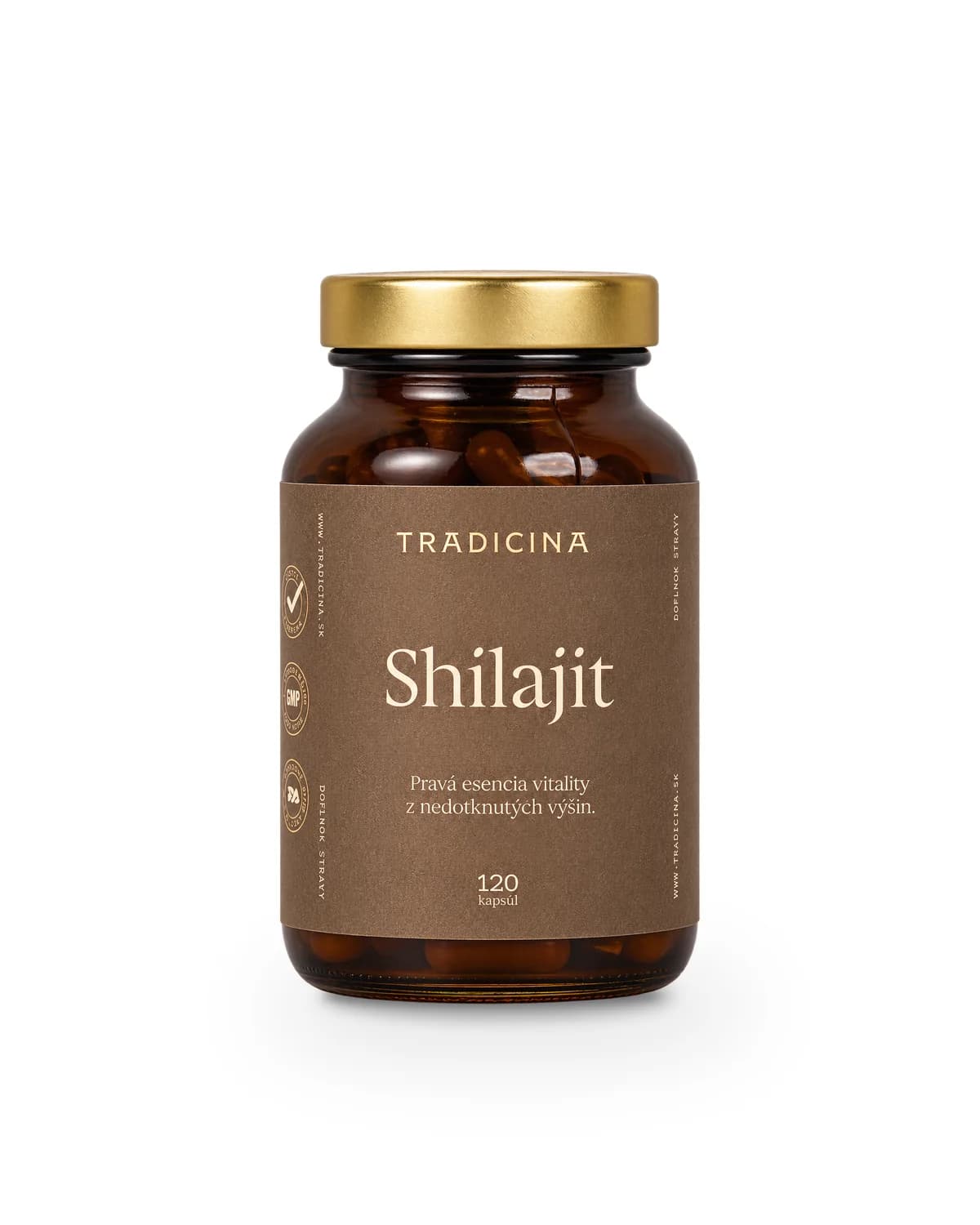
Chaga
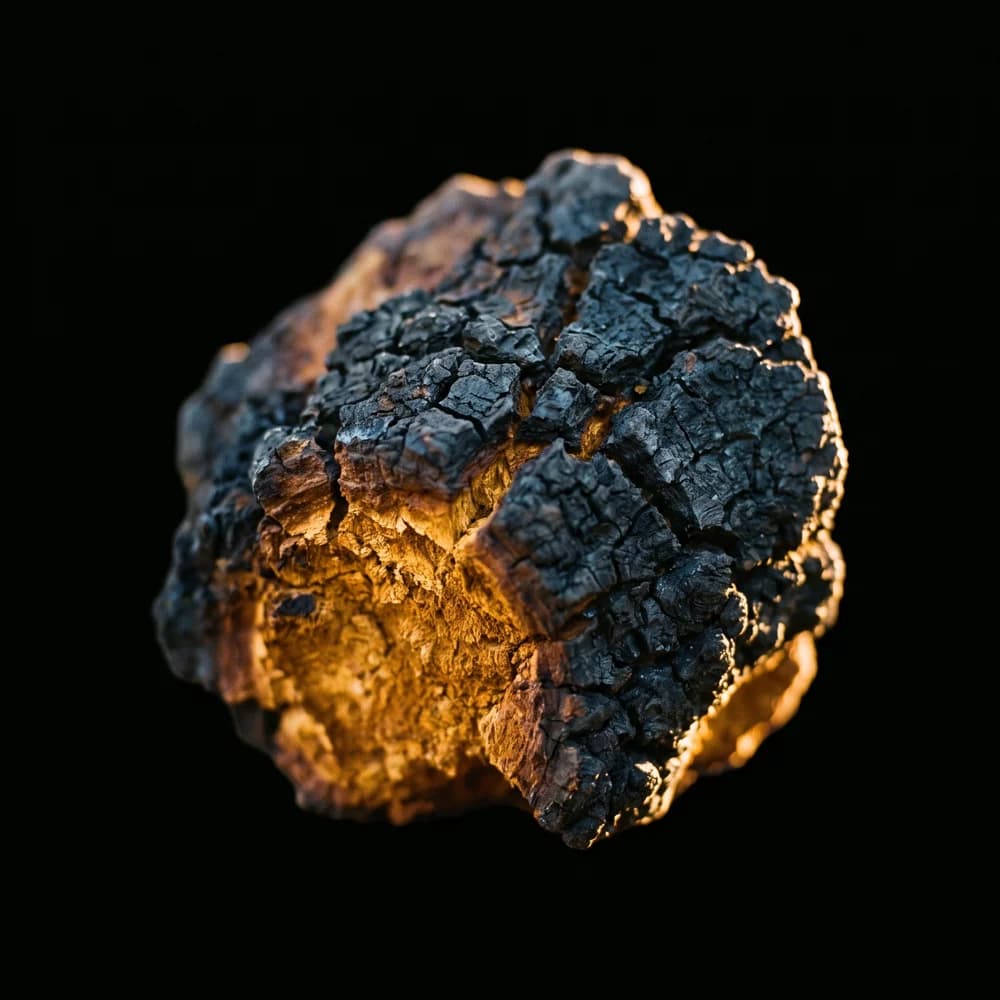
Chaga is a black growth found mainly on birch trees in cold regions. In northern folk tradition it was brewed as a tonic drink and is among the mushrooms highest in antioxidants.
Inonotus obliquus
- 01
What chaga is
Chaga is not a classic capped mushroom – it is a hard sclerotium on the birch trunk. It is harvested and extracted, because its compounds are bound in the woody mass.
- 02
Traditional use
In Siberia and northern Europe chaga was traditionally brewed as forest coffee and a tonic for strength through long winters.
- 03
What science studies
Research on chaga focuses on its antioxidant potential (melanin, SOD) and polysaccharides. It is a food ingredient, not a medicine.
- 04
What to watch for
Chaga naturally contains oxalates, so with kidney issues it is wise to consult a doctor. More in our article on chaga and oxalates.
Where science sees potential
- antioxidant protection against oxidative stress
- cell support via high polyphenol content
What studies have shown
Najafzadeh M. et al., 2007, BioFactors
chaga extract and protection of DNA from oxidative damage (in vitro)
Park Y.K. et al., 2004, Biol Pharm Bull
antioxidant activity of chaga polyphenols
This concerns research on the mushroom and its compounds, not a claim that a food supplement treats disease. Many findings come from laboratory or smaller studies.
FAQ
- Is chaga suitable for everyone?
- For most people yes, but with kidney disease or blood-thinning medication, consult a doctor.
- How does chaga taste?
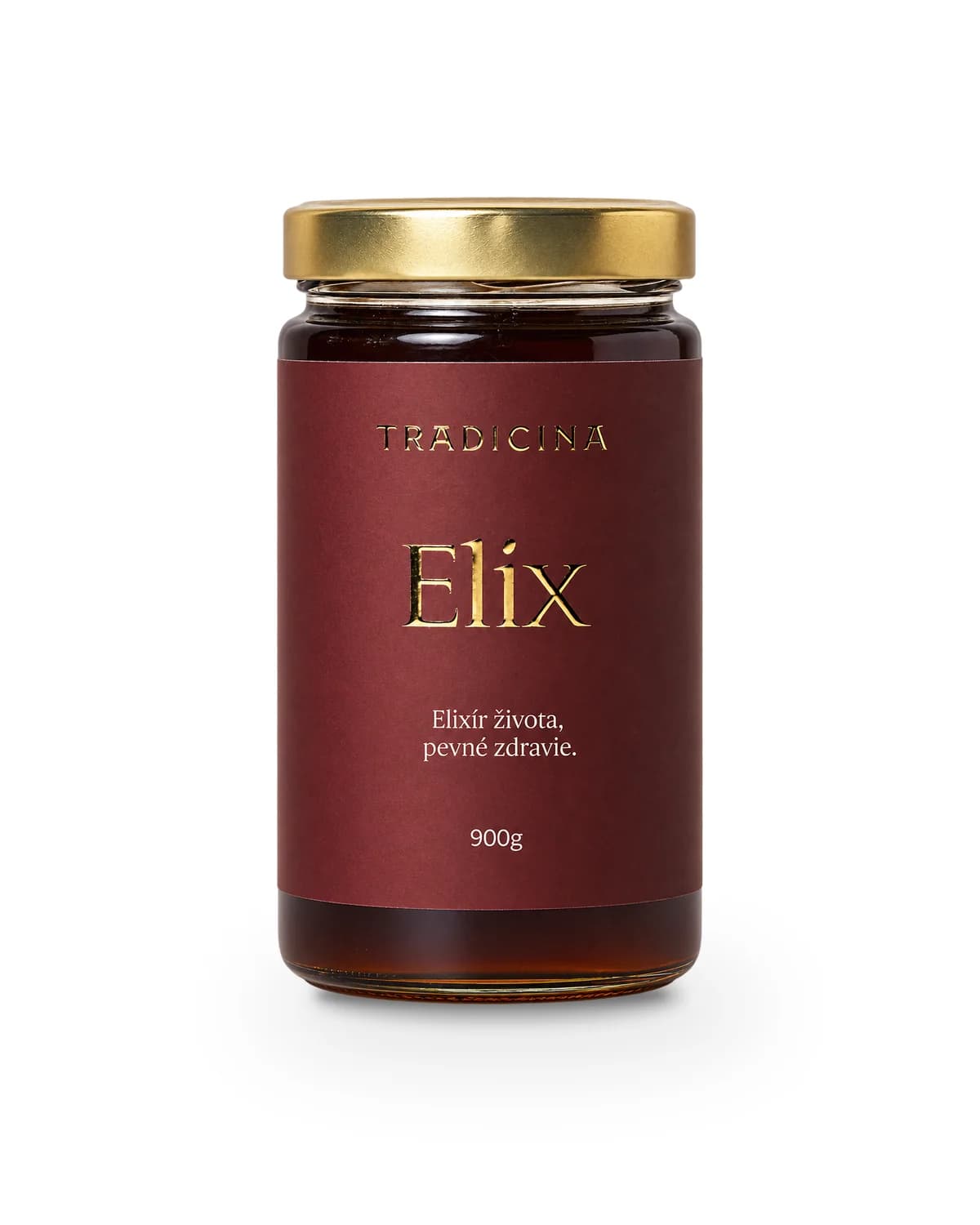
- Gently earthy, like forest coffee. In our products it is softened by honey.