




Medicinal mushrooms and their effects
A guide to each mushroom – what it is, how it is traditionally used, what science studies and which compounds it contains. No miracles, focused on truth and quality.
49 mushrooms
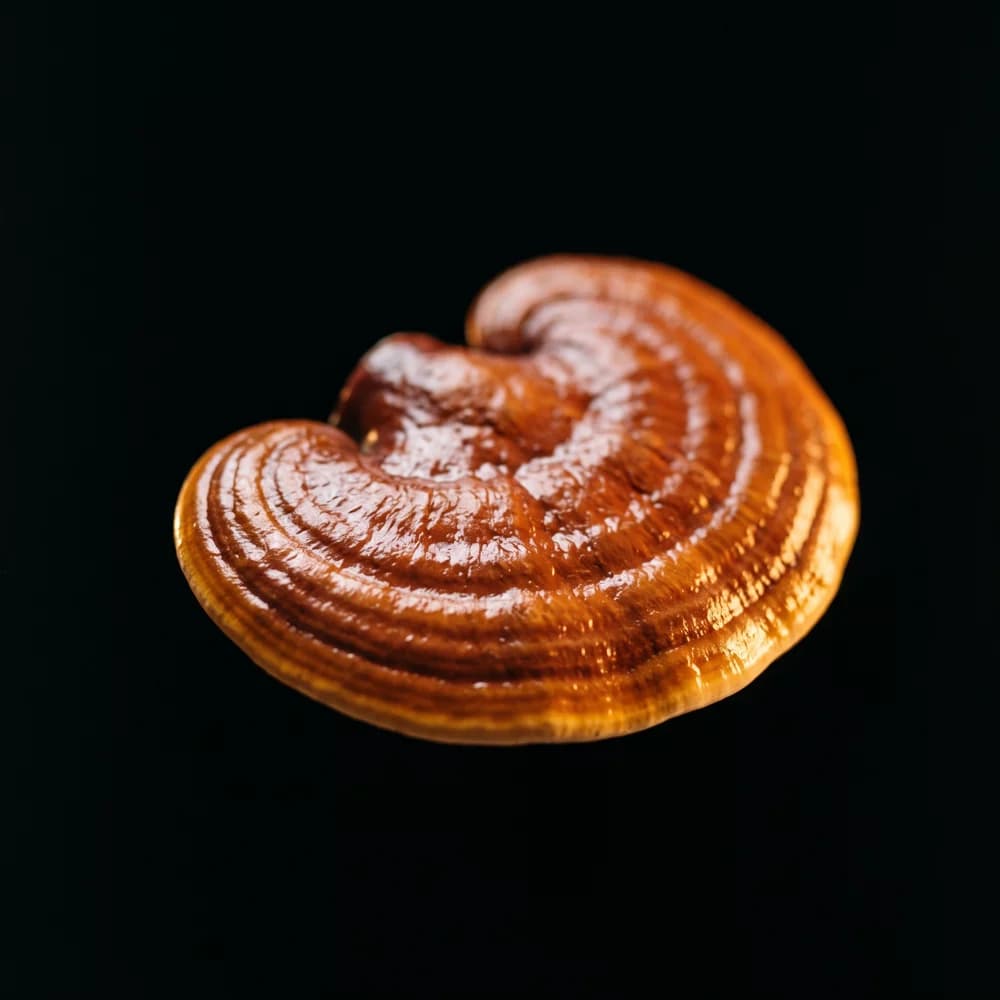 medicinal
Reishi
Ganoderma lucidum
The mushroom of calm and longevity
Learn moreFoto: Tradicína
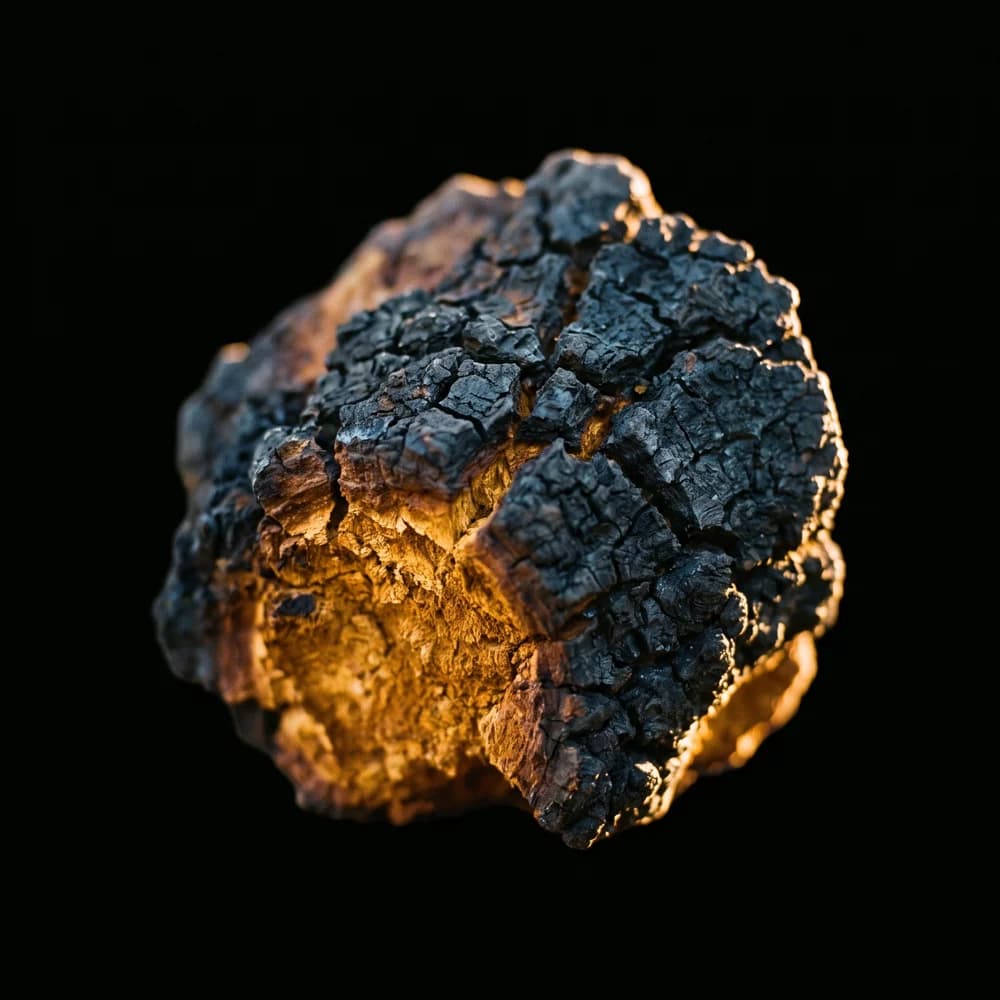 medicinal
Chaga
Inonotus obliquus
A gift of the birch forests
Learn moreFoto: Tradicína
 medicinal
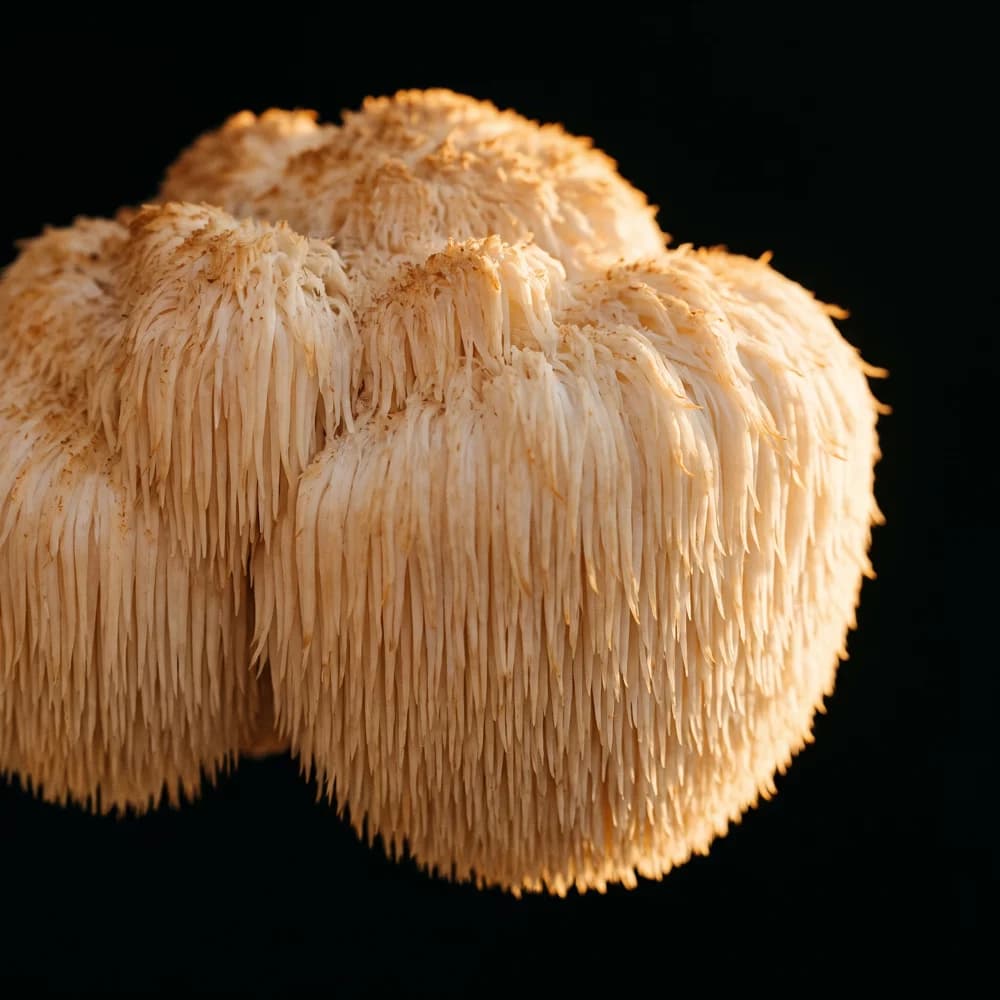
Lion's Mane
Hericium erinaceus
The mushroom for mind and nerves
Learn moreFoto: Tradicína
 medicinal
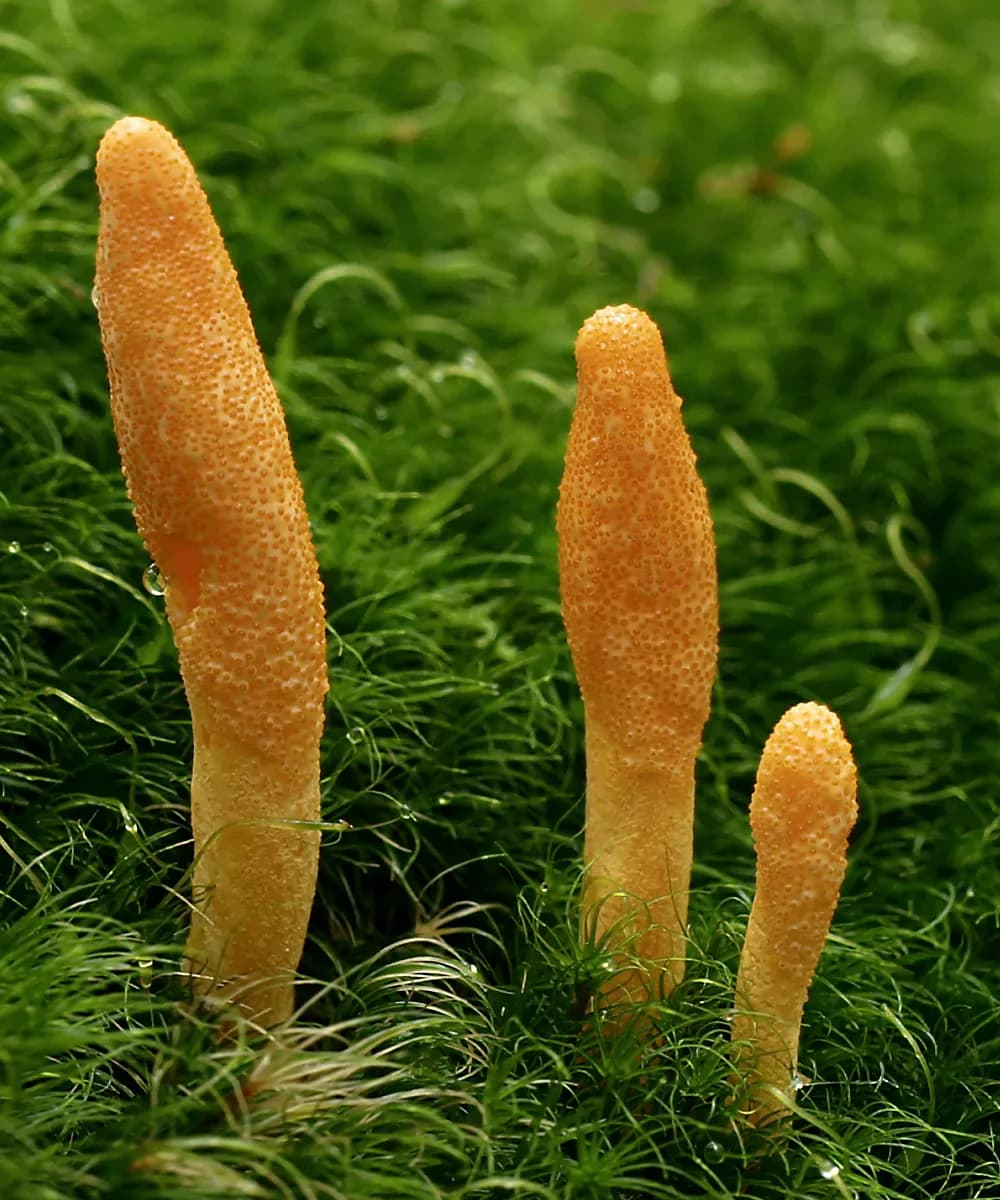
Cordyceps
Cordyceps militaris
The mushroom of energy and stamina
Learn moreFoto: Andreas Kunze, CC BY-SA 3.0, Wikimedia Commons
 medicinal
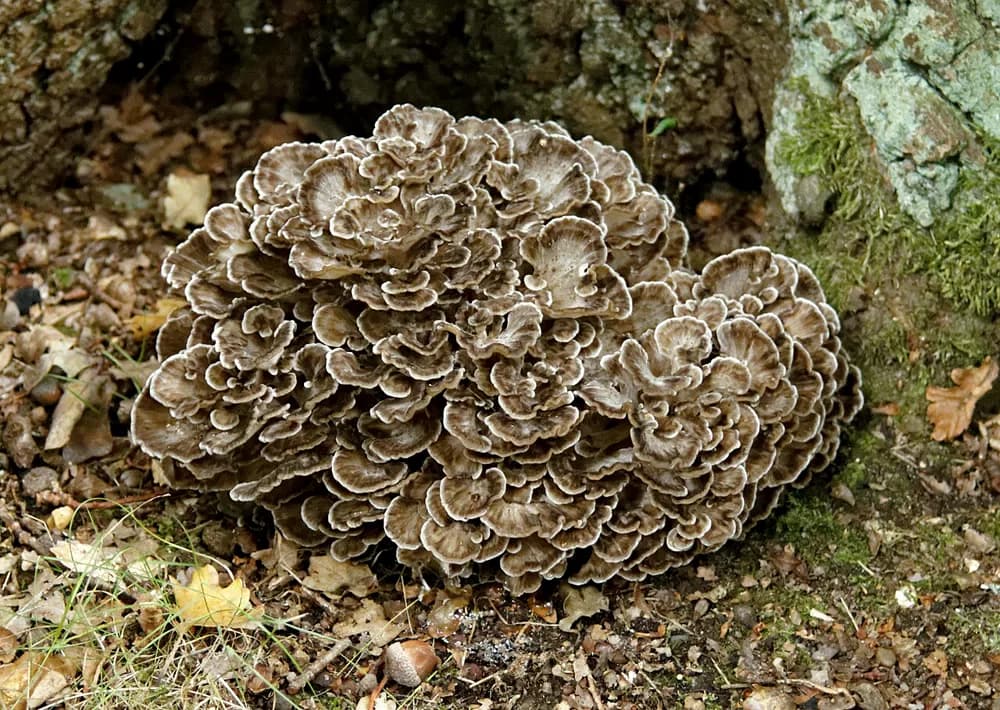
Maitake
Grifola frondosa
The dancing mushroom
Learn moreFoto: Lukas, London, CC BY-SA 2.0, Wikimedia Commons
 medicinal
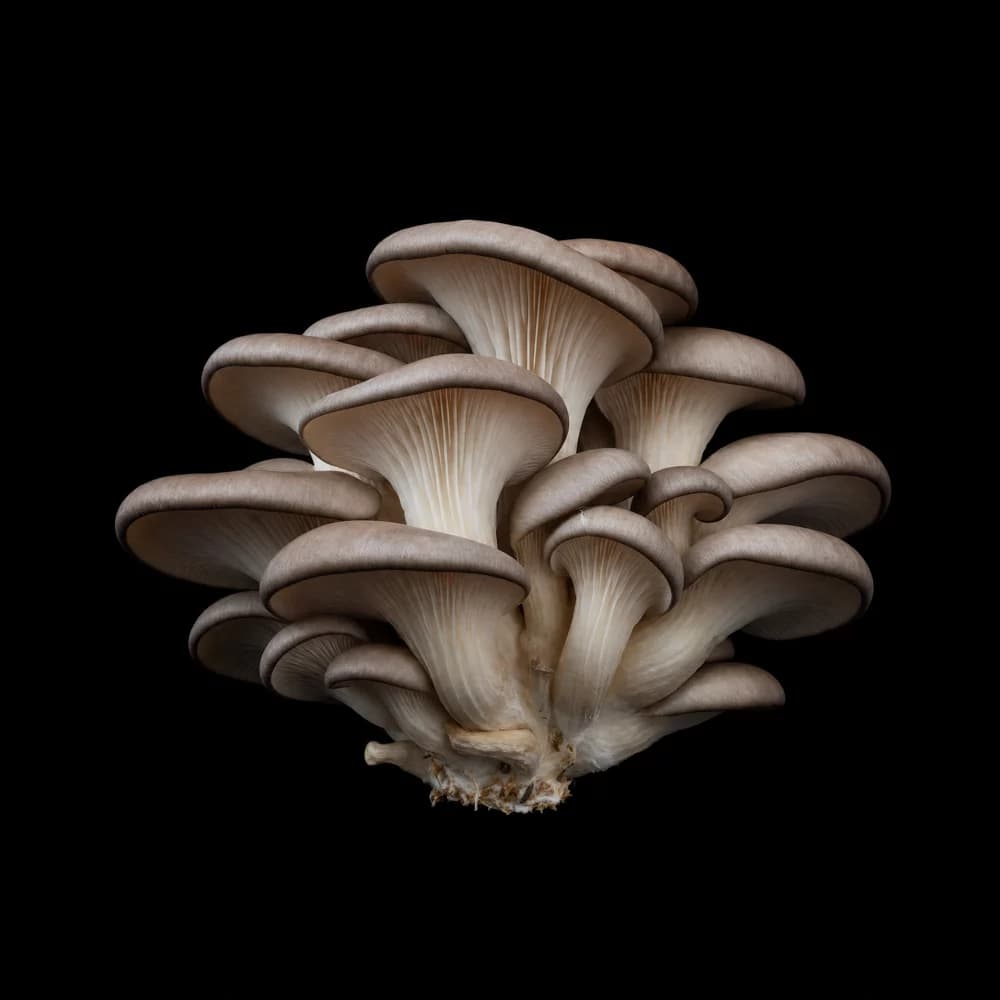
Oyster mushroom
Pleurotus ostreatus
An accessible medicinal classic
Learn moreFoto: Tradicína
 medicinal
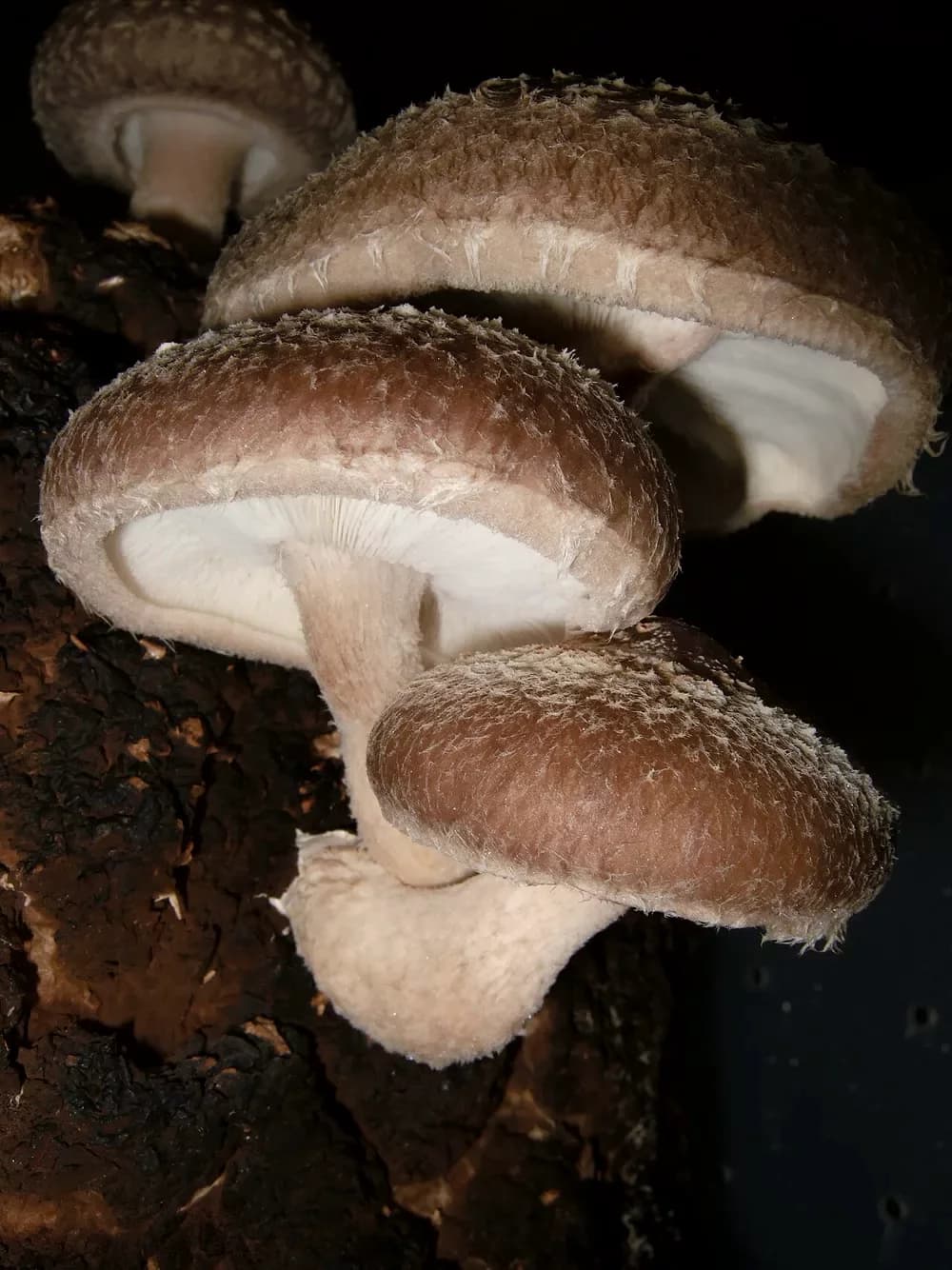
Shiitake
Lentinula edodes
The mushroom of long life
Learn moreFoto: frankenstoen, CC BY 2.0, Wikimedia Commons
 medicinal
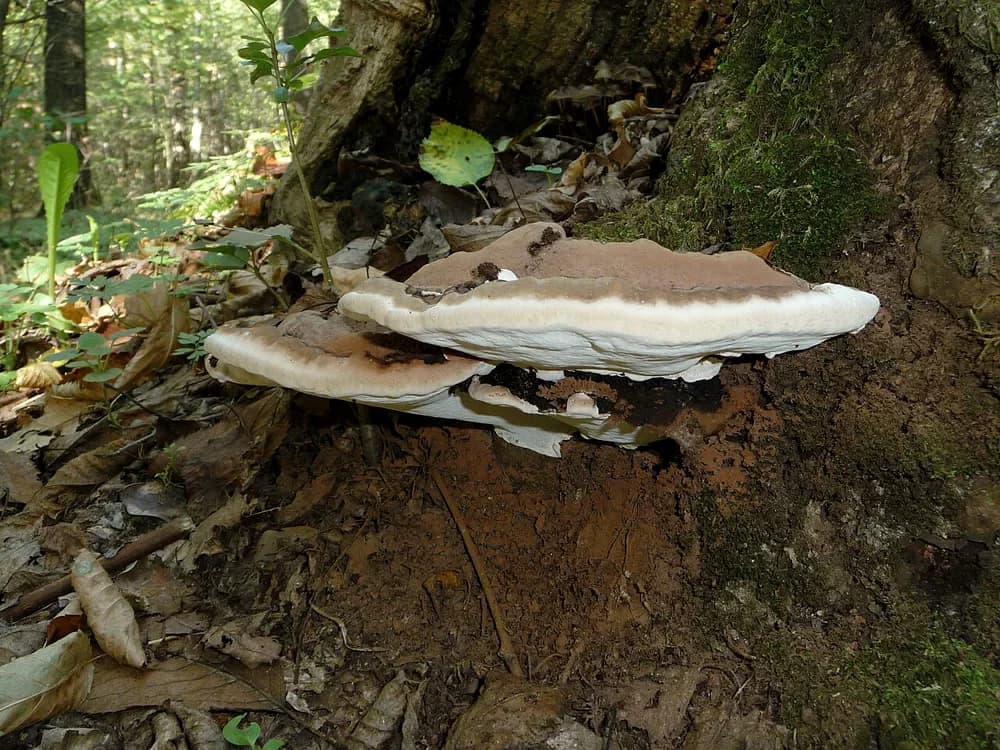
Artist's conk
Ganoderma applanatum
Large flat bracket with a brown top and white pore surface you can draw on. Hard, inedible, a relative of reishi.
Learn moreFoto: George Chernilevsky, public domain, Wikimedia Commons
 edible
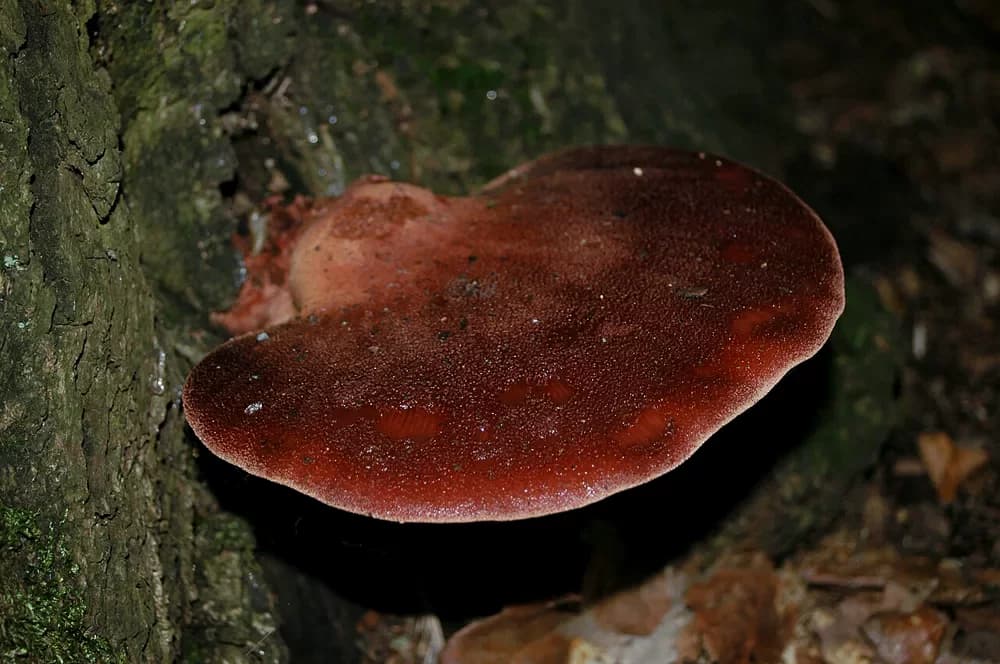
Beefsteak fungus
Fistulina hepatica
A red, fleshy tongue on oak that looks like liver and bleeds red juice when cut. Edible, sour-tasting.
Learn moreFoto: Jiří Berkovec, CC BY-SA 3.0, Wikimedia Commons
 medicinal
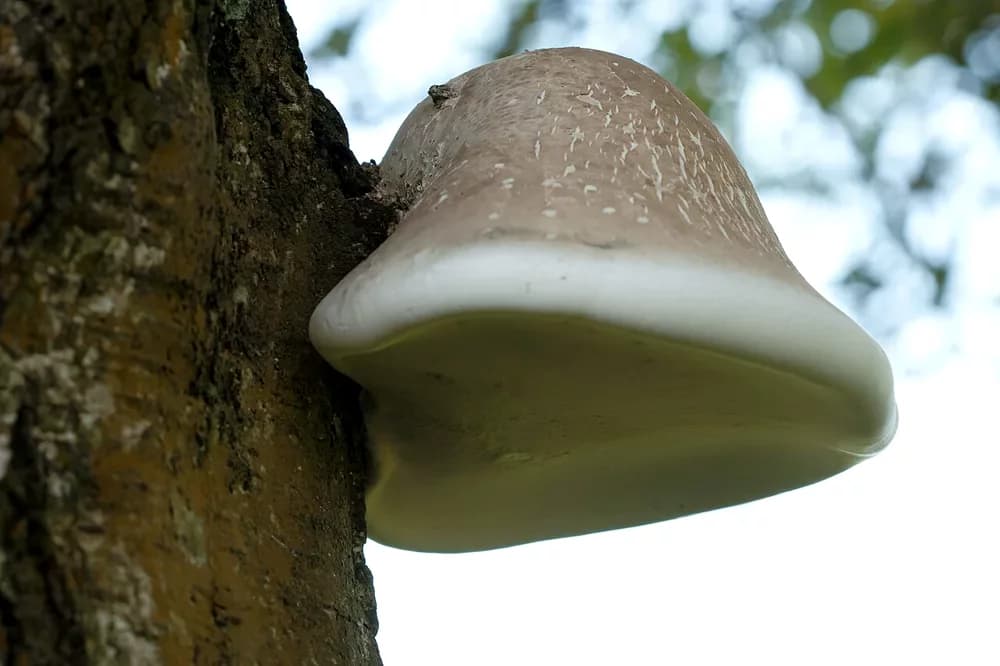
Birch polypore
Fomitopsis betulina
Whitish hoof-shaped bracket found only on birch. Hard and inedible, with a long folk-use tradition (even Ötzi).
Learn moreFoto: Captainpixel, public domain, Wikimedia Commons
 inedible
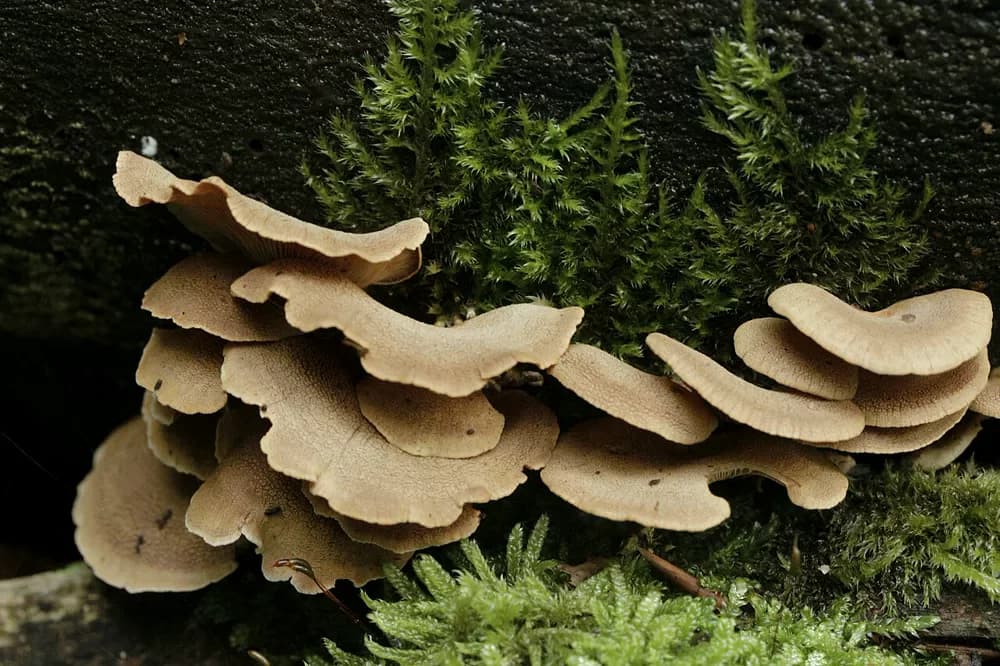
Bitter oyster
Panellus stipticus
Small pale-brown fans on oak stumps; bitter, and some strains glow faintly in the dark. Inedible.
Learn moreFoto: Björn S, CC BY-SA 2.0, Wikimedia Commons
 inedible
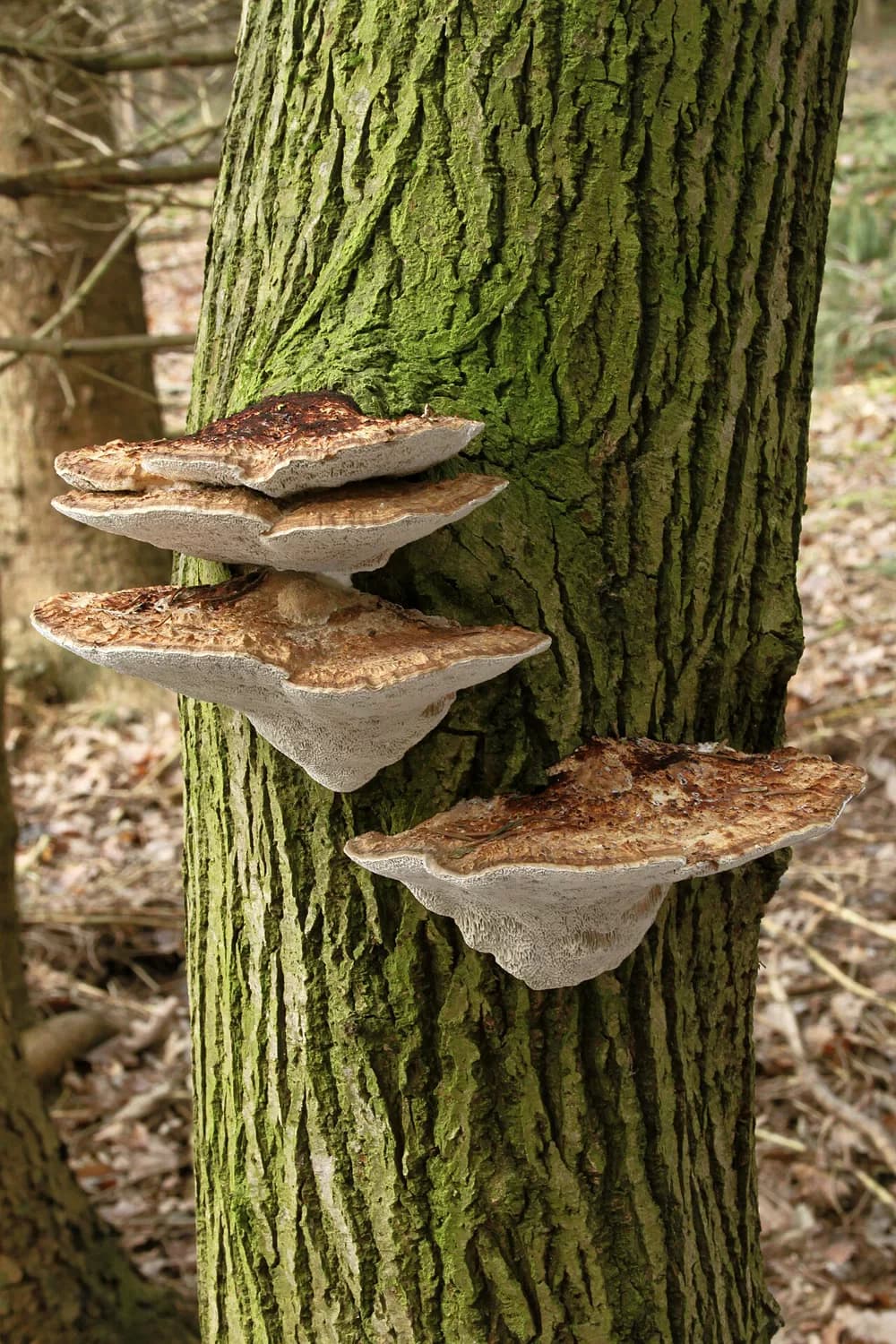
Blushing bracket
Daedaleopsis confragosa
Brackets with maze-like pores that redden when touched, mainly on willow. Inedible.
Learn moreFoto: Holger Krisp, CC BY 3.0, Wikimedia Commons
 edible
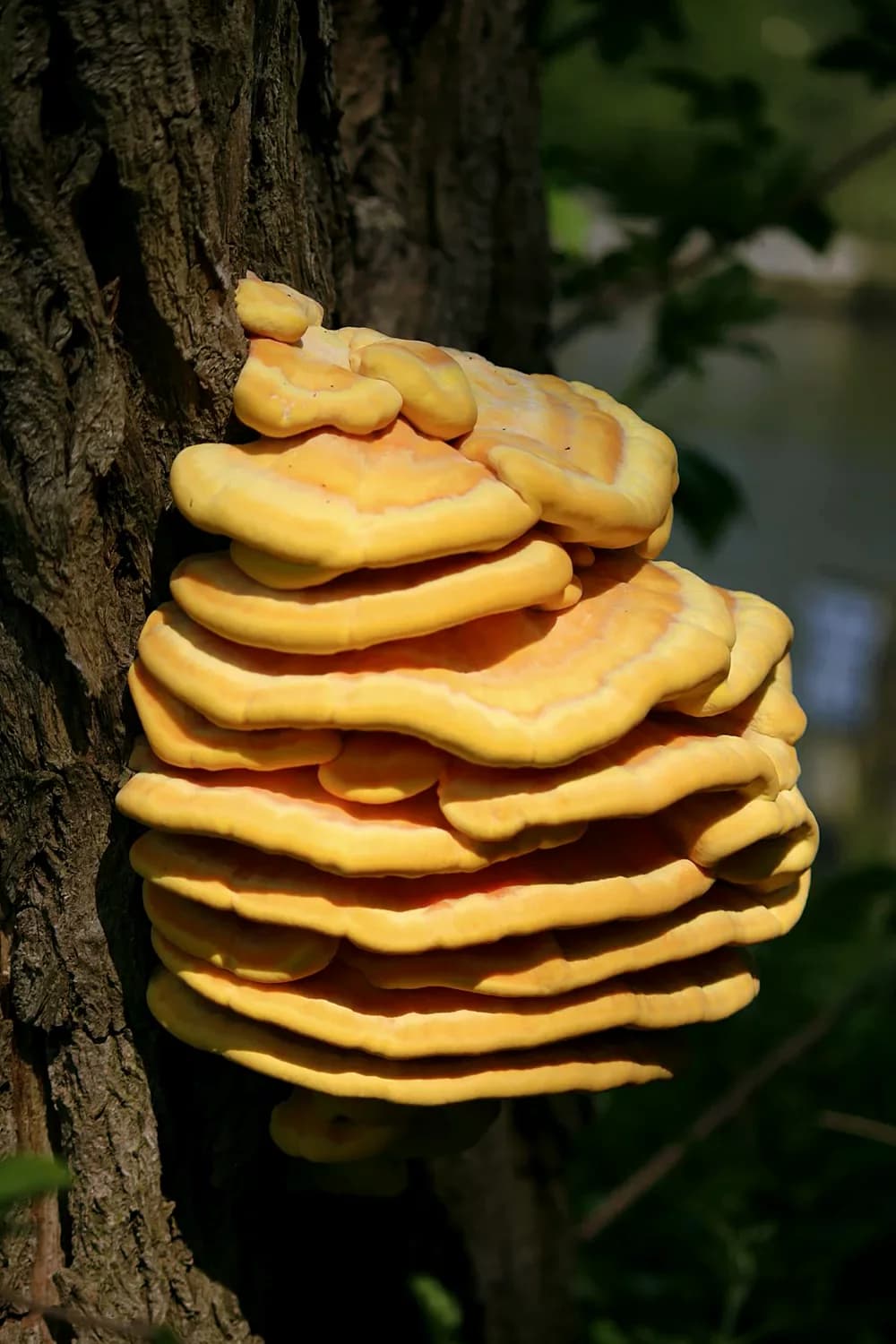
Chicken of the woods
Laetiporus sulphureus
Bright yellow-orange fleshy shelves on oak and willow. Edible when young, with a chicken-like taste.
Learn moreFoto: Rror, CC BY-SA 3.0, Wikimedia Commons
 inedible
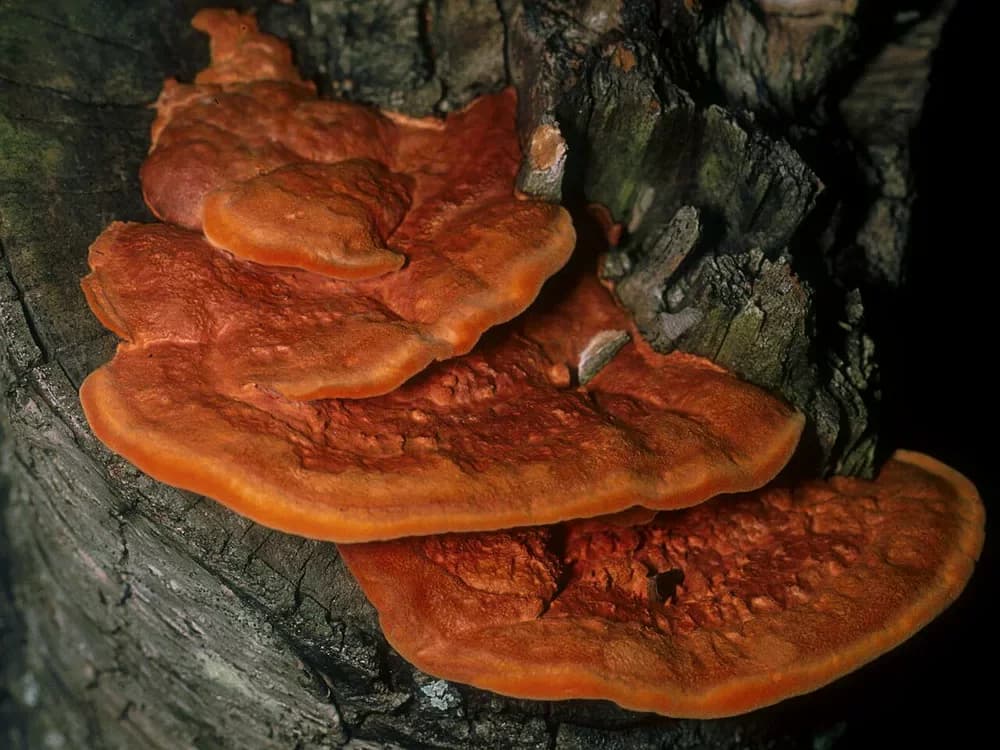
Cinnabar bracket
Pycnoporus cinnabarinus
Bright cinnabar-red brackets on dead hardwood. Inedible, contains the pigment cinnabarin.
Learn moreFoto: Nathan Wilson, CC BY-SA 3.0, Wikimedia Commons
 inedible
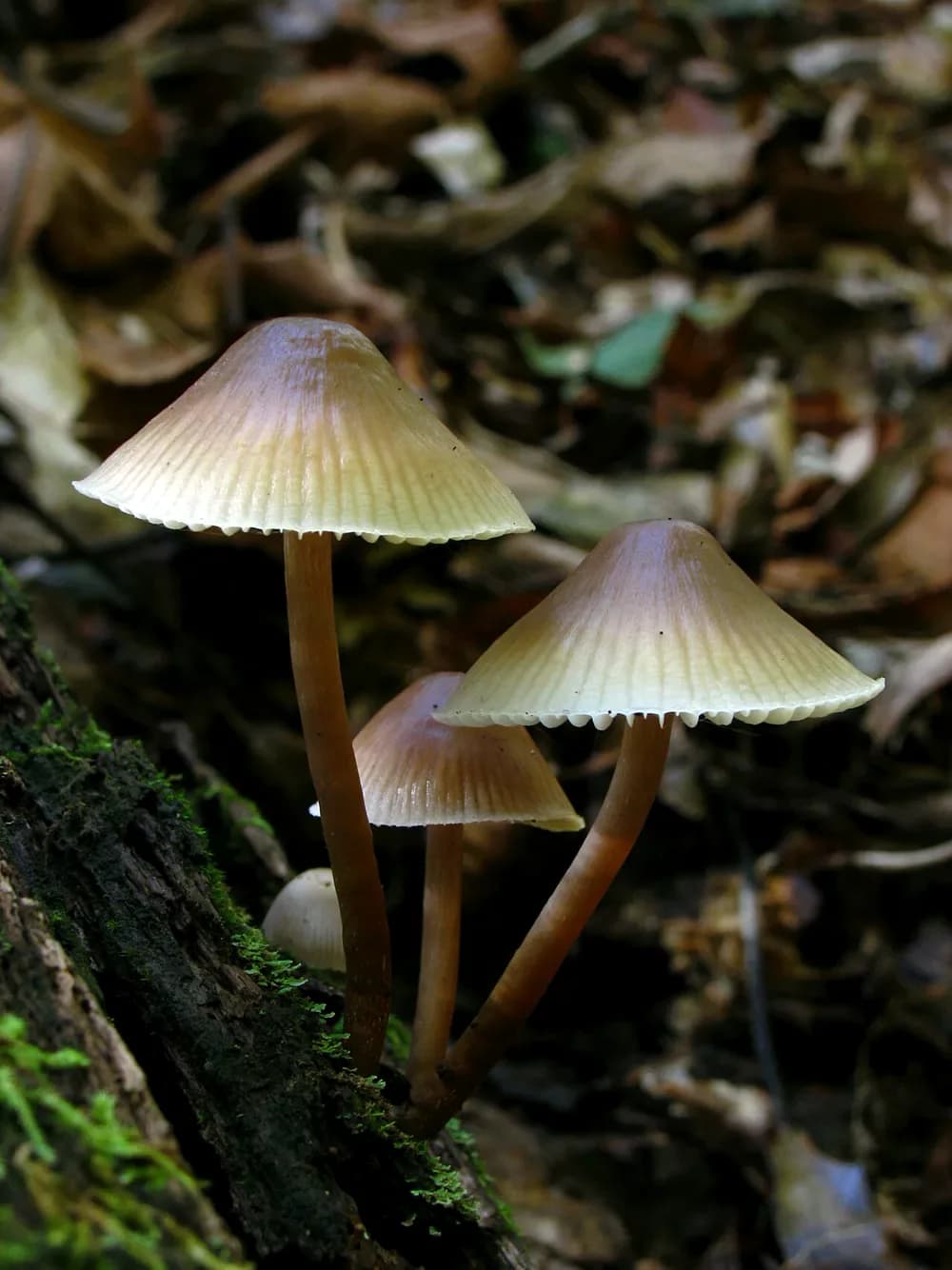
Common bonnet
Mycena galericulata
Small greyish bell-shaped caps in tufts on stumps. Inedible, one of the commonest wood bonnets.
Learn moreFoto: Dan Molter, CC BY-SA 3.0, Wikimedia Commons
 inedible
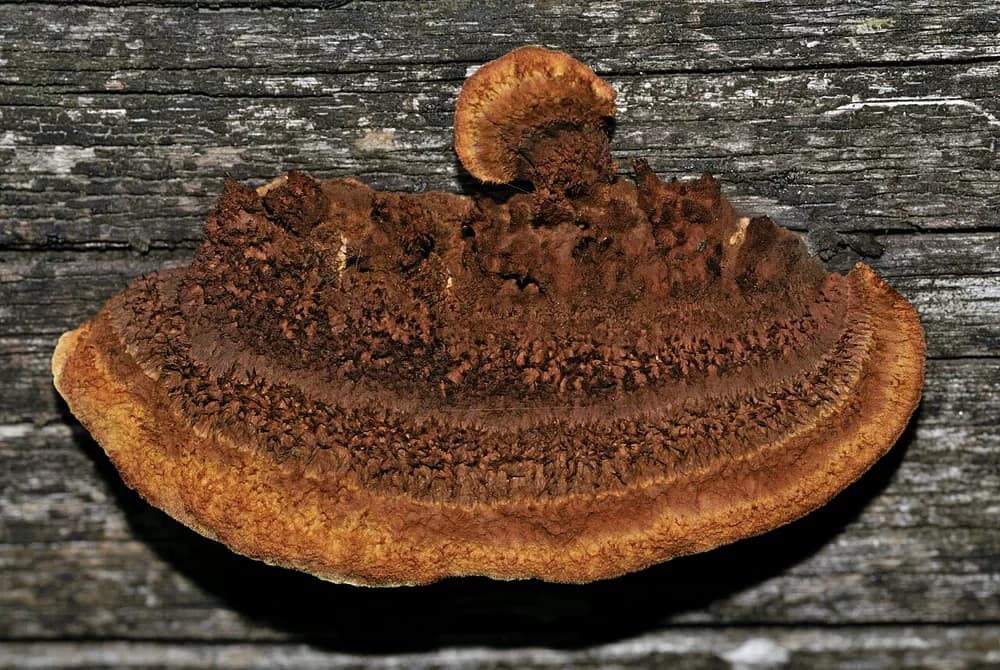
Conifer mazegill
Gloeophyllum sepiarium
Rusty-brown brackets with a gilled underside on worked conifer wood (fences, benches). Inedible.
Learn moreFoto: Quartl, CC BY-SA 3.0, Wikimedia Commons
 edible
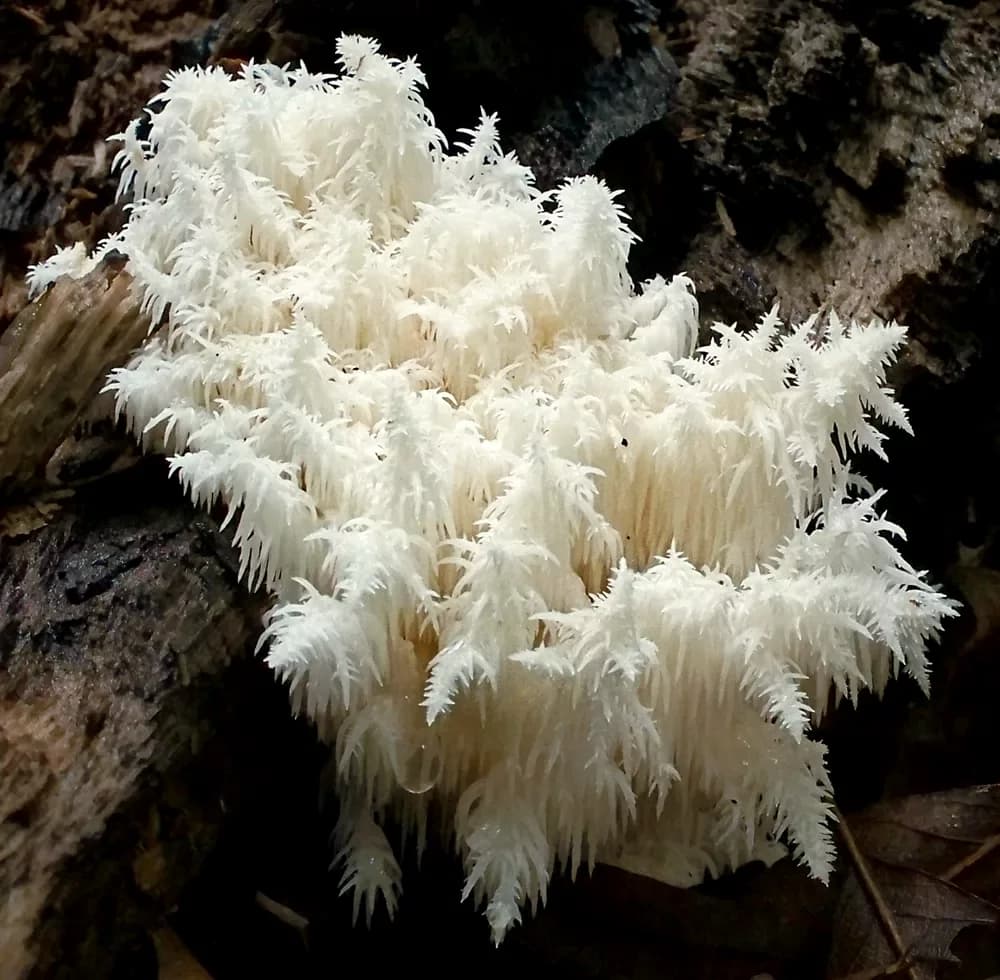
Coral tooth fungus
Hericium coralloides
White, richly branched coral with fine spines on beech logs. Edible when young, a protected relative of lion's mane.
Learn moreFoto: Patrick Harvey, CC BY-SA 3.0, Wikimedia Commons
 inedible
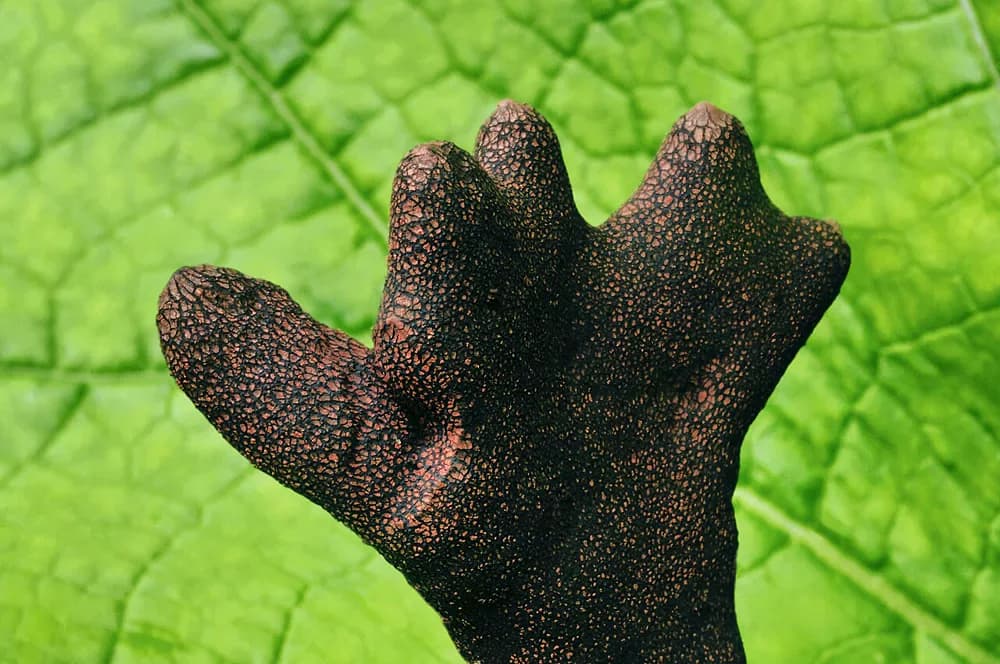
Dead man's fingers
Xylaria polymorpha
Black, finger-like hard clubs rising from hardwood stumps. Inedible, a striking saprotroph.
Learn moreFoto: Michael Gäbler, CC BY 3.0, Wikimedia Commons
 edible
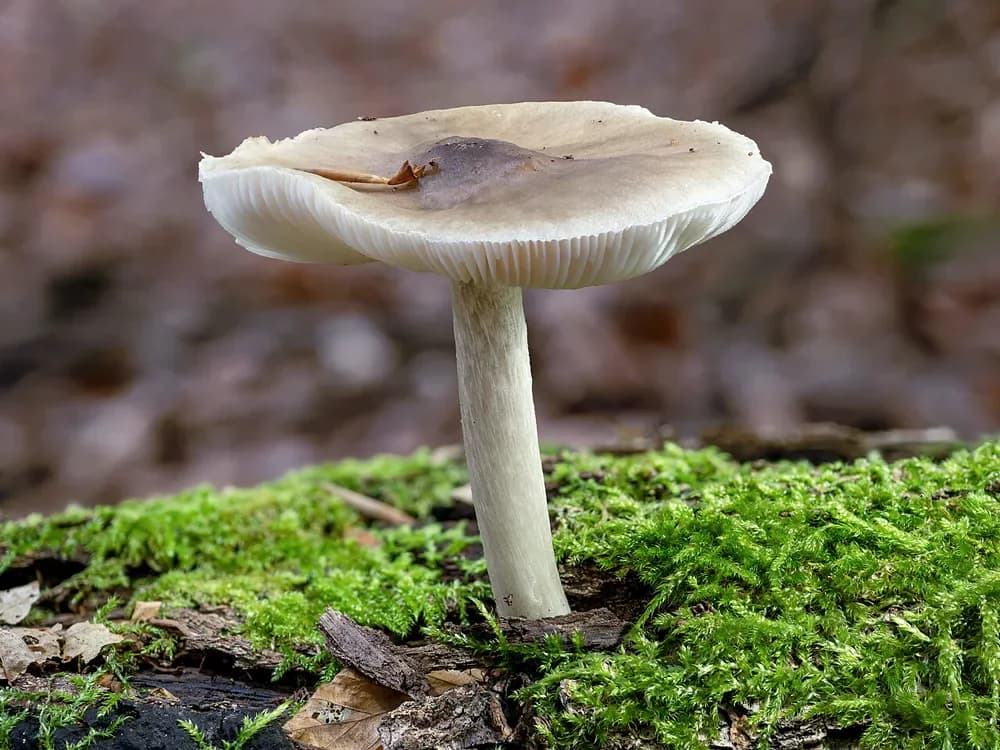
Deer shield
Pluteus cervinus
Brown cap with free gills that turn pink; grows straight from dead wood and sawdust. Edible but bland.
Learn moreFoto: Reinhold Möller, CC BY-SA 4.0, Wikimedia Commons
 edible
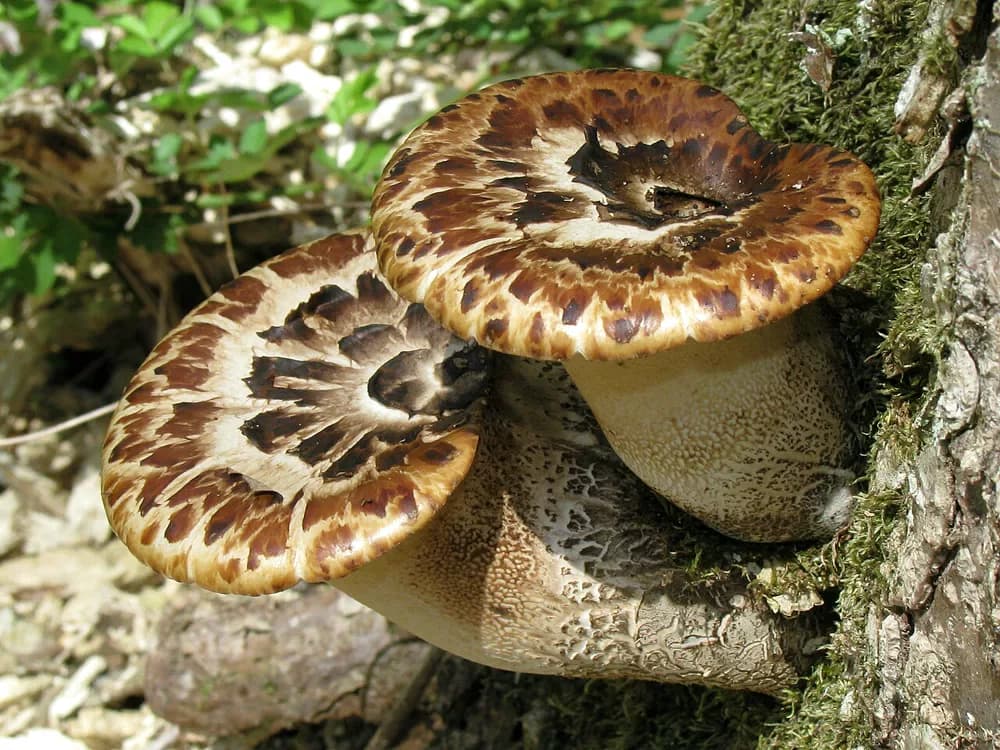
Dryad's saddle
Polyporus squamosus
Large scaly caps on hardwoods, smelling of watermelon. Edible when young and tender.
Learn moreFoto: Dan Molter, CC BY-SA 3.0, Wikimedia Commons
 edible
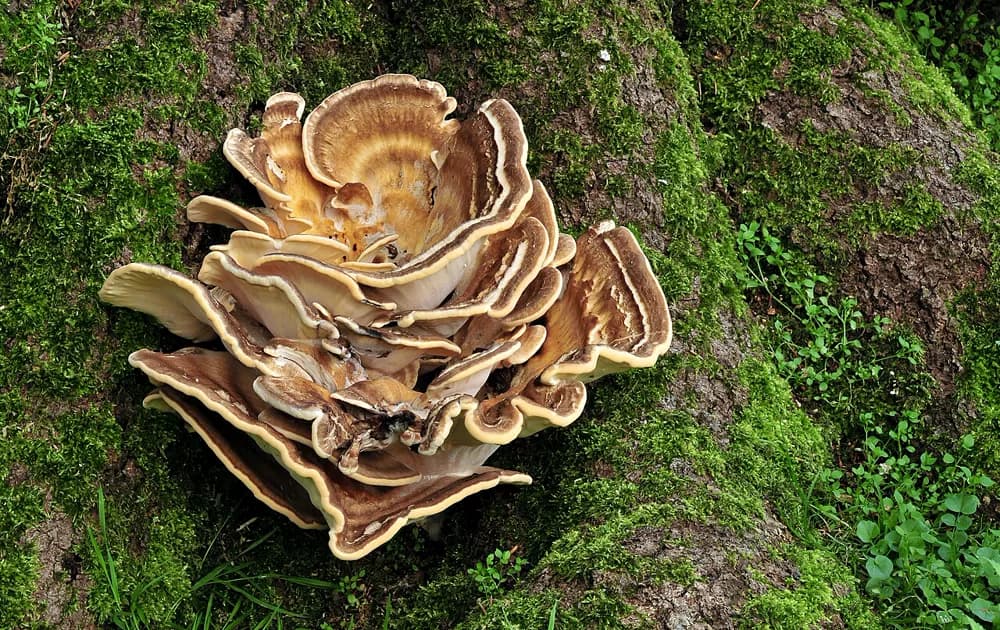
Giant polypore
Meripilus giganteus
Huge rosettes of fan-shaped caps at the base of beech and oak, bruising black. Edible only when very young.
Learn moreFoto: Michael Gäbler, CC BY 3.0, Wikimedia Commons
 inedible
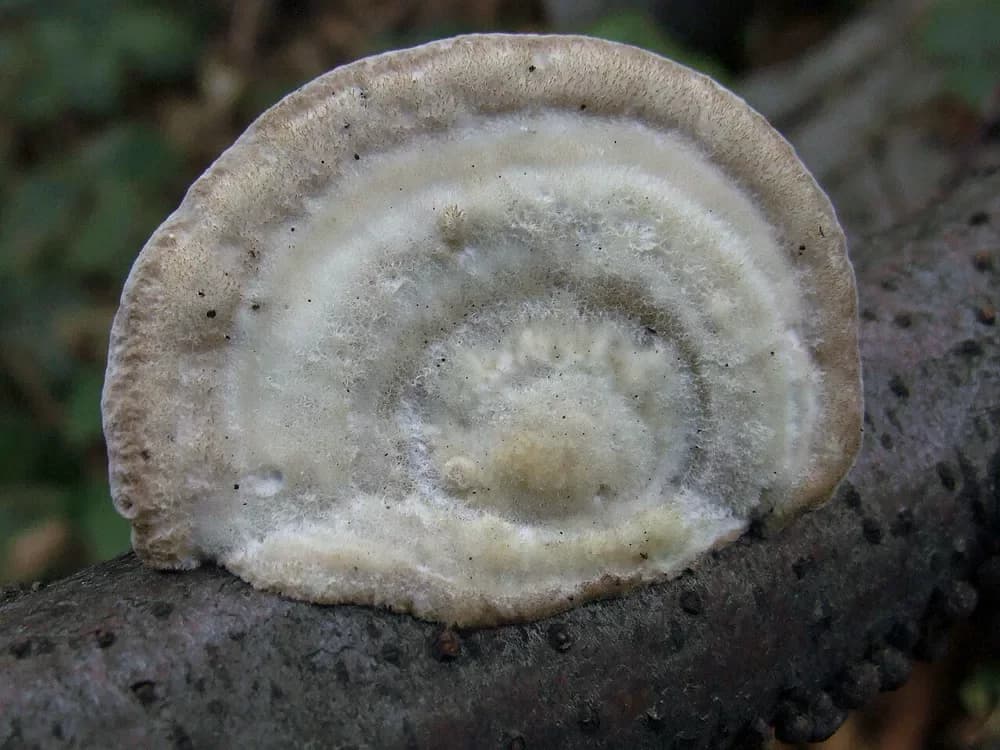
Hairy bracket
Trametes hirsuta
Grey-white hairy brackets in rows on dead hardwood. Inedible, an abundant decomposer.
Learn moreFoto: Jerzy Opioła, CC BY-SA 4.0, Wikimedia Commons
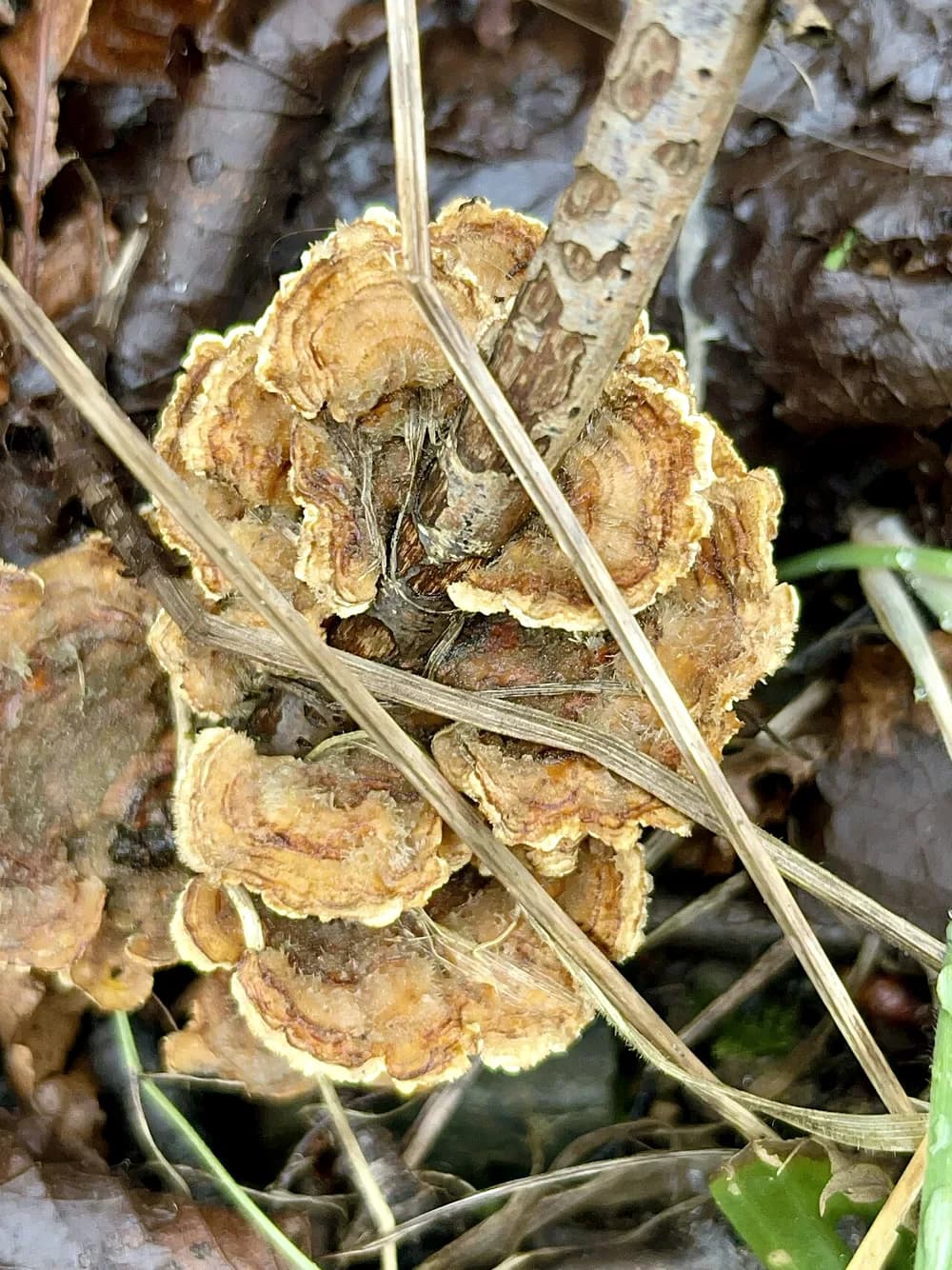 inedible
Hairy curtain crust
Stereum hirsutum
Thin yellow-orange hairy crusts and brackets on hardwood branches. Inedible, abundant.
Learn moreFoto: Kieran Roy Powell, CC BY 4.0, Wikimedia Commons
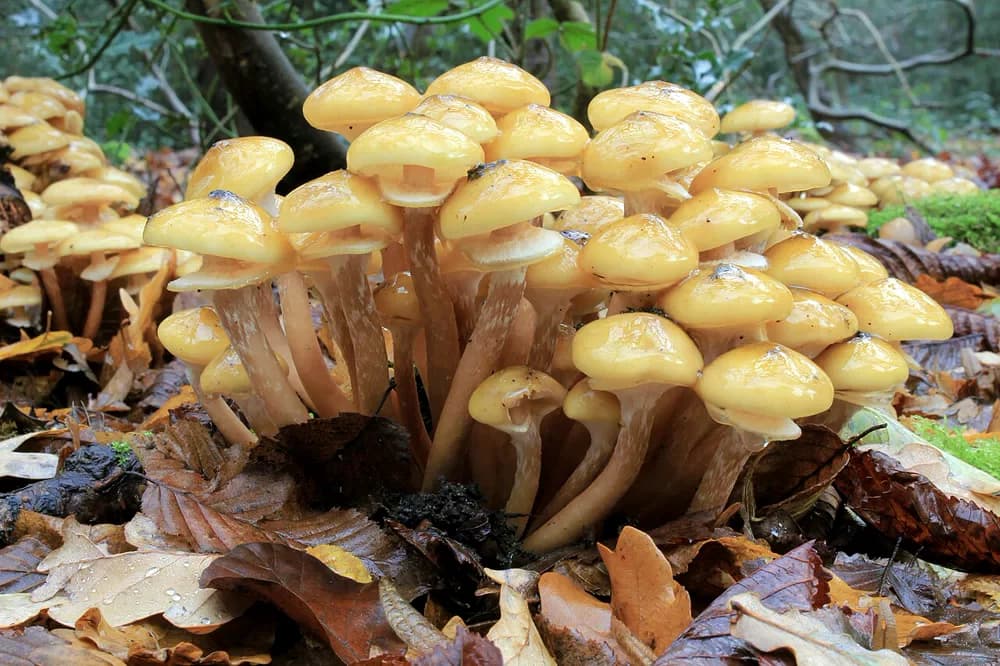 edible
Honey fungus
Armillaria mellea
Honey-coloured clusters at stumps; a feared tree parasite. Edible only when well cooked, irritating raw.
Learn moreFoto: Stu's Images, CC BY-SA 3.0, Wikimedia Commons
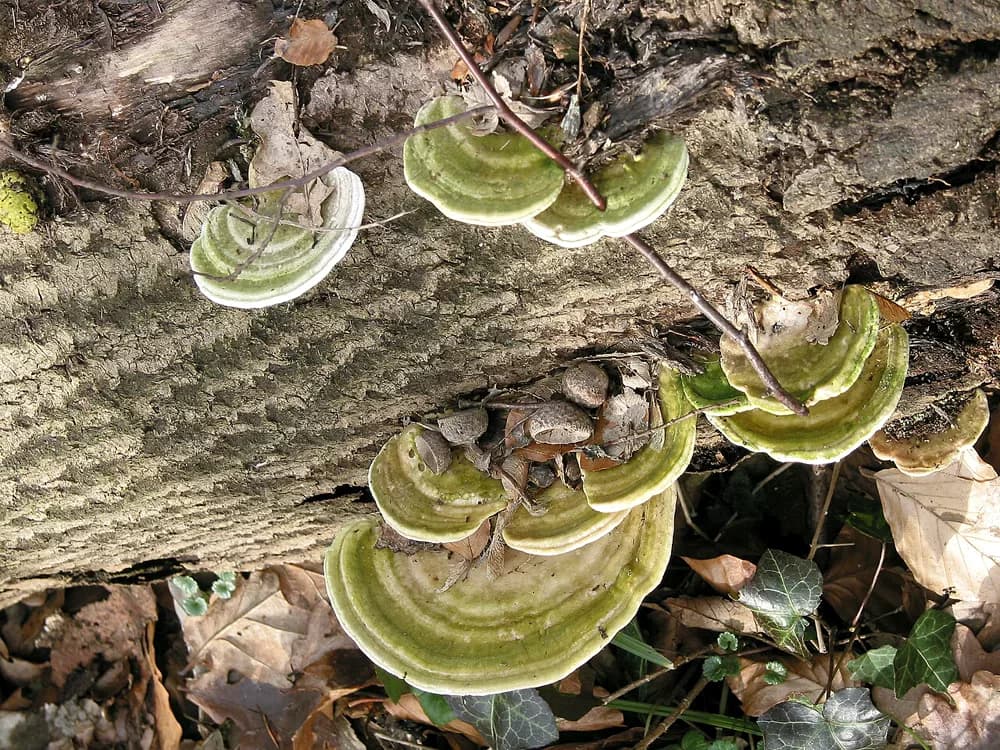 inedible
Lumpy bracket
Trametes gibbosa
Whitish lumpy brackets with elongated pores, often greenish with algae. Tough, inedible.
Learn moreFoto: Jean-Pol GRANDMONT, CC BY-SA 3.0, Wikimedia Commons
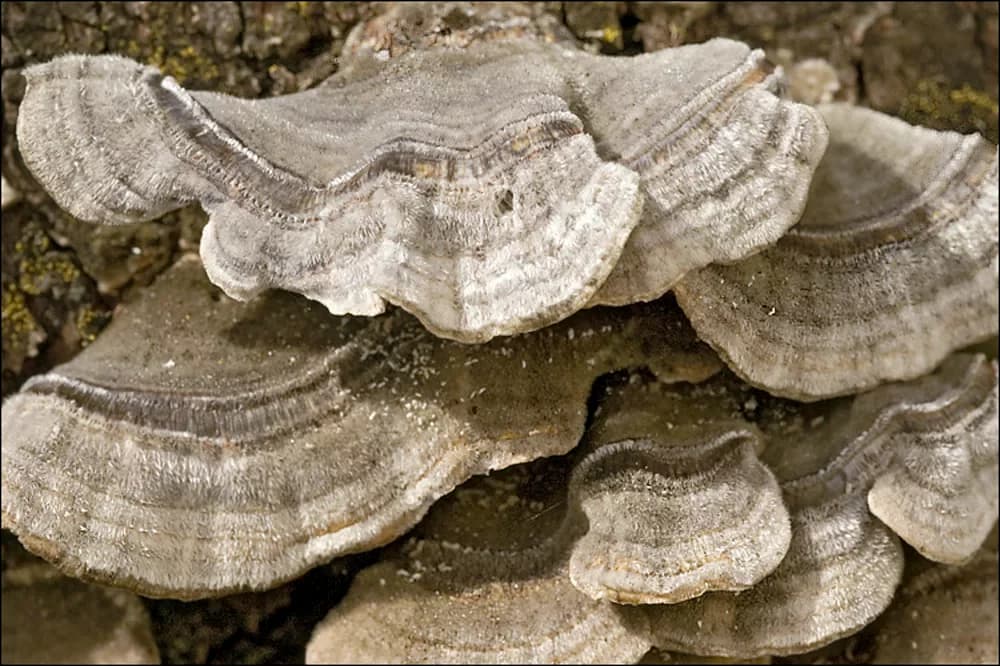 inedible
Mossy maze polypore
Cerrena unicolor
Thin grey brackets, often greenish on top with algae, with maze-like pores. Inedible, common on hardwoods.
Learn moreFoto: amadej trnkoczy, CC BY-SA 3.0, Wikimedia Commons
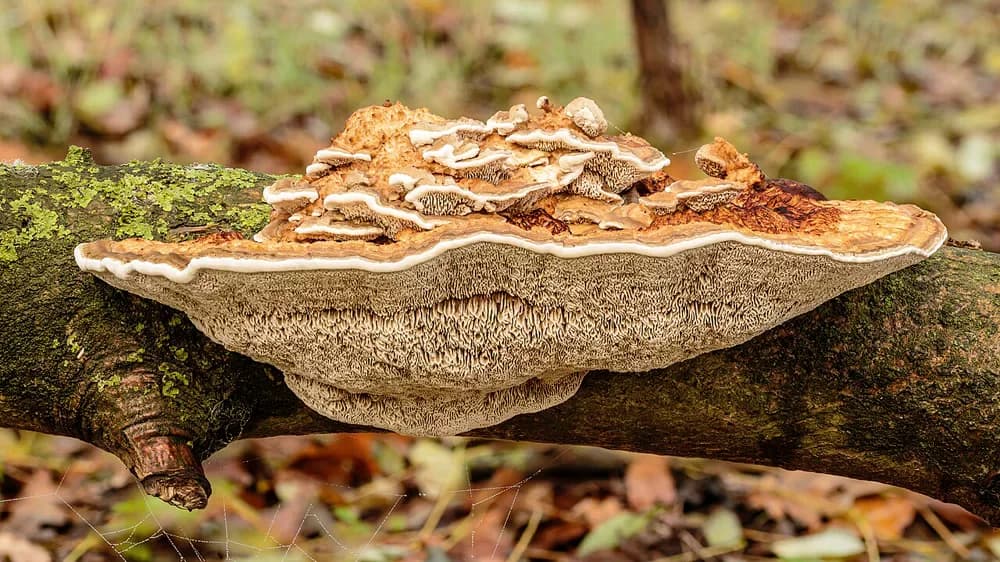 inedible
Oak mazegill
Daedalea quercina
Hard brackets with thick maze-like pores almost exclusively on oak wood. Inedible.
Learn moreFoto: Dominicus Johannes Bergsma, CC BY-SA 4.0, Wikimedia Commons
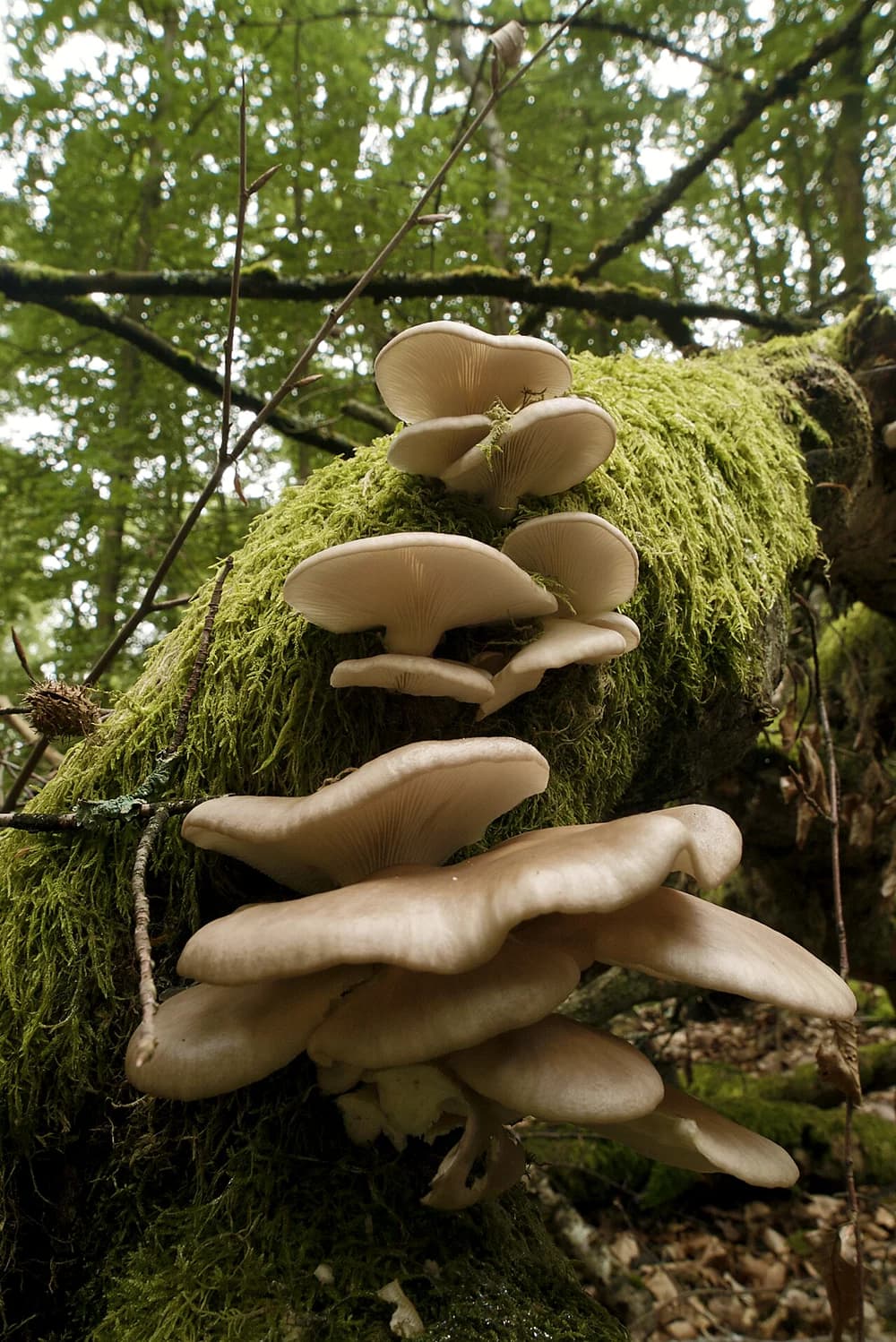 edible
Pale oyster
Pleurotus pulmonarius
A paler, summer relative of the oyster mushroom on hardwood. A good edible, rich in beta-glucans.
Learn moreFoto: Jörg Hempel, CC BY-SA 3.0 DE, Wikimedia Commons
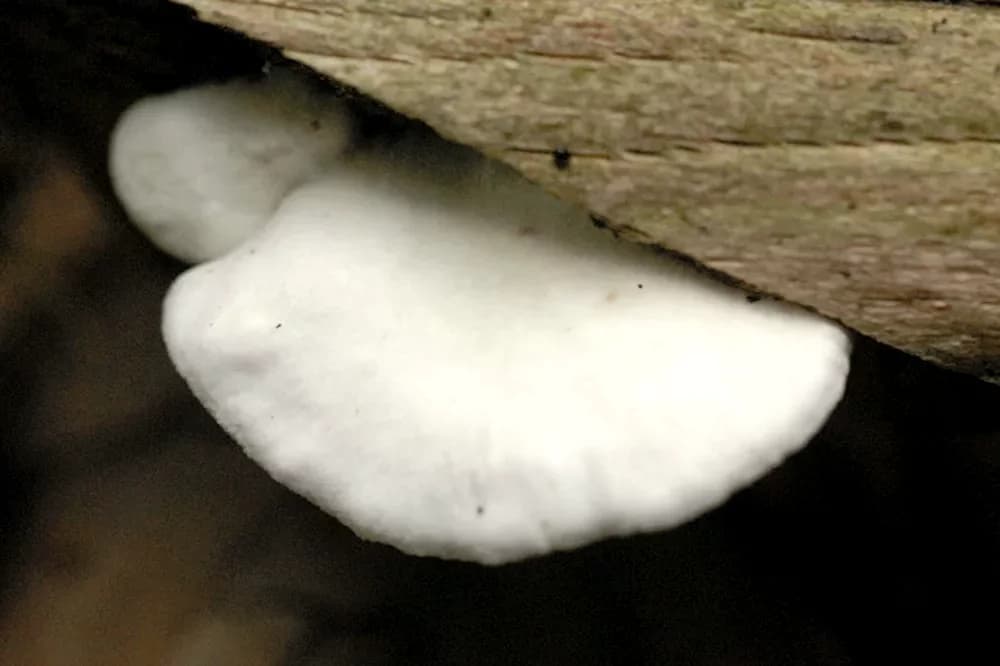 inedible
Peeling oysterling
Crepidotus mollis
Small soft, shell-shaped caps without a stalk on hardwood branches. Inedible.
Learn moreFoto: James Lindsey, CC BY-SA 3.0, Wikimedia Commons
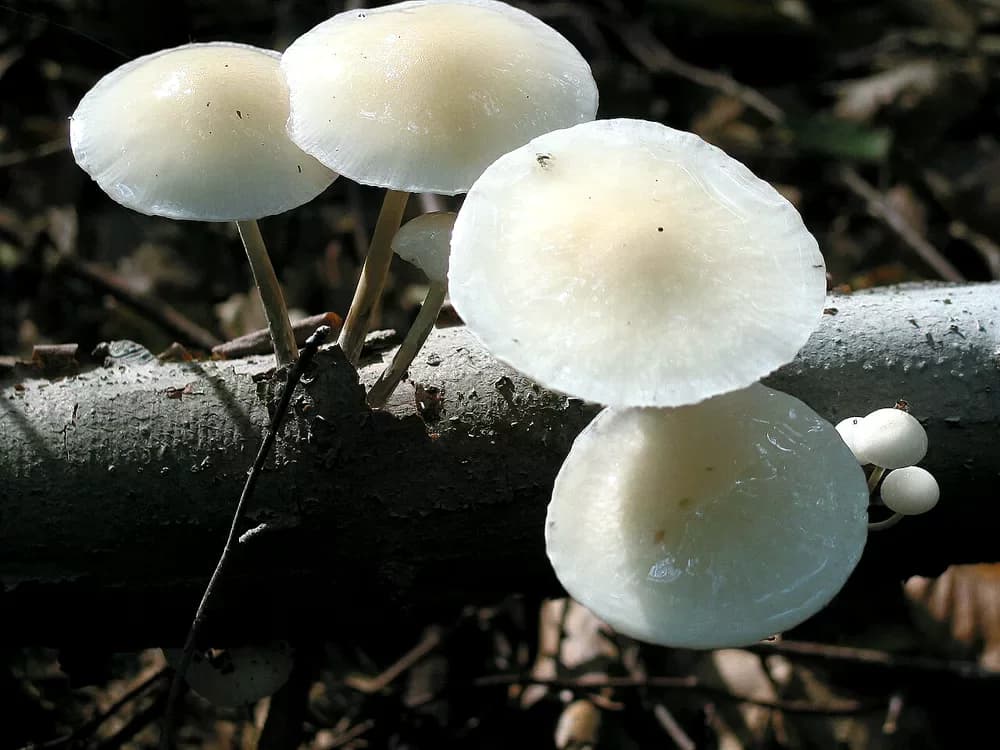 edible
Porcelain fungus
Oudemansiella mucida
Translucent, slimy white caps high on beech trunks. Edible once the slime is removed; contains antifungal mucidin.
Learn moreFoto: Jean-Pol GRANDMONT, CC BY 3.0, Wikimedia Commons
 inedible
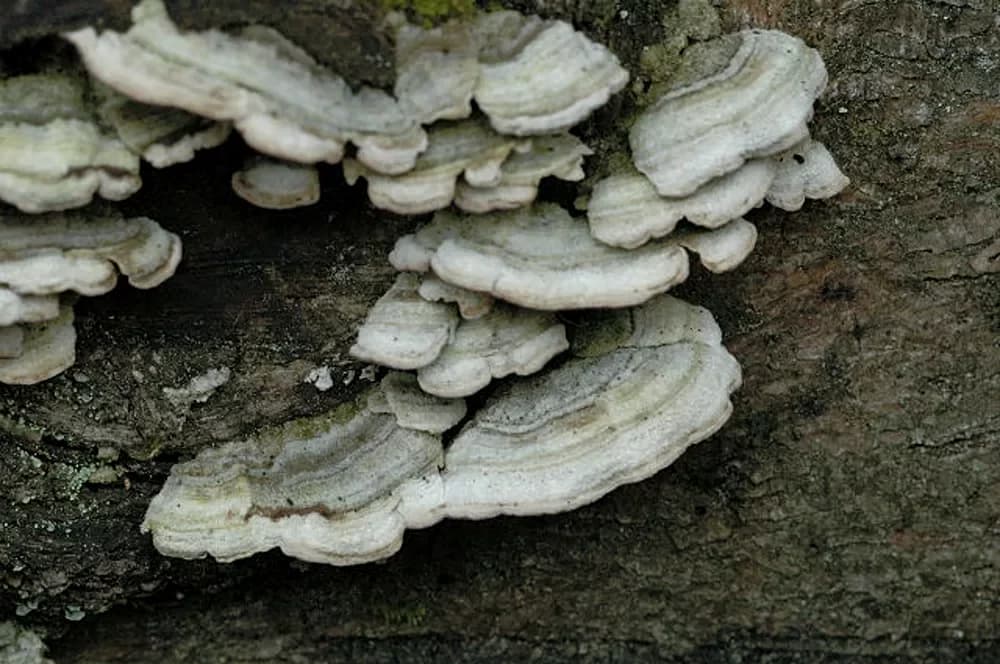
Purplepore bracket
Trichaptum abietinum
Thin purplish brackets swarming over dead conifer wood. Inedible, very common.
Learn moreFoto: James Lindsey, CC BY-SA 3.0, Wikimedia Commons
 inedible
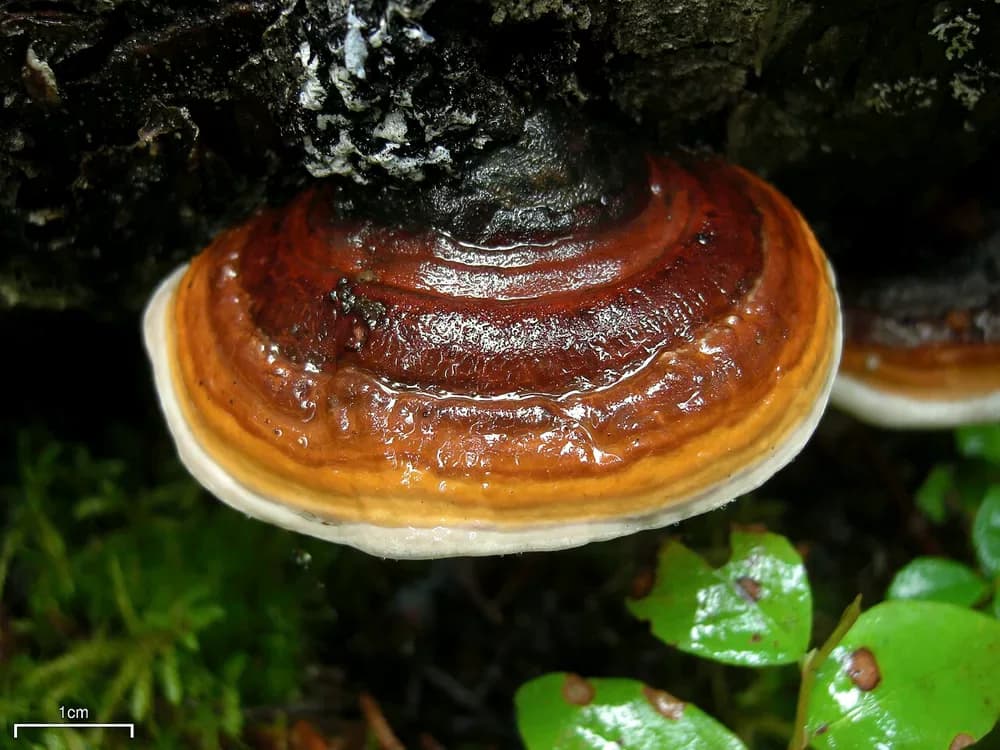
Red-belted conk
Fomitopsis pinicola
Hard bracket with a glossy red-brown rim on conifers and hardwoods. Inedible, a common wood decomposer.
Learn moreFoto: Jason Hollinger, CC BY-SA 3.0, Wikimedia Commons
 inedible
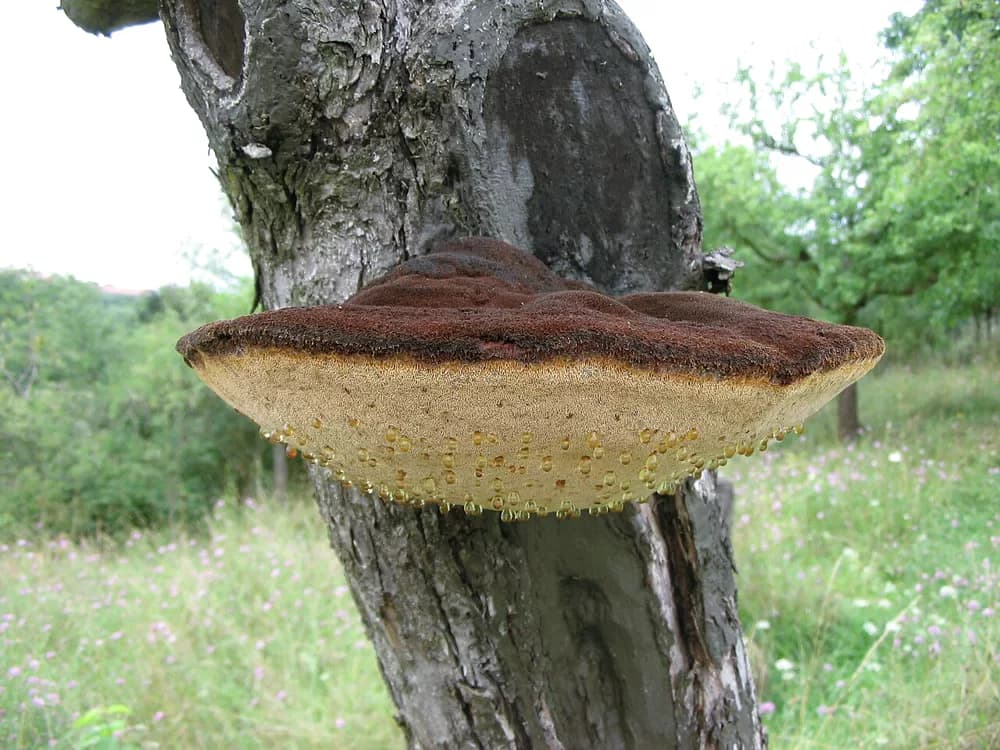
Shaggy bracket
Inonotus hispidus
A large rusty, shaggy bracket high on ash and apple trunks. Inedible, a relative of chaga.
Learn moreFoto: Björn Appel, CC BY-SA 3.0, Wikimedia Commons
 inedible
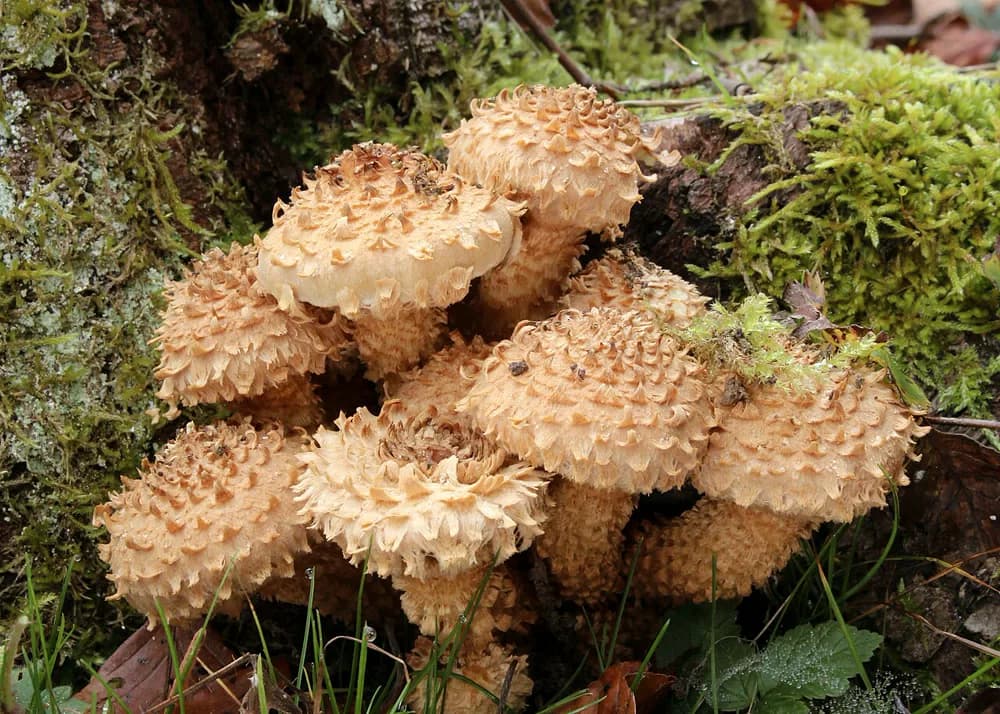
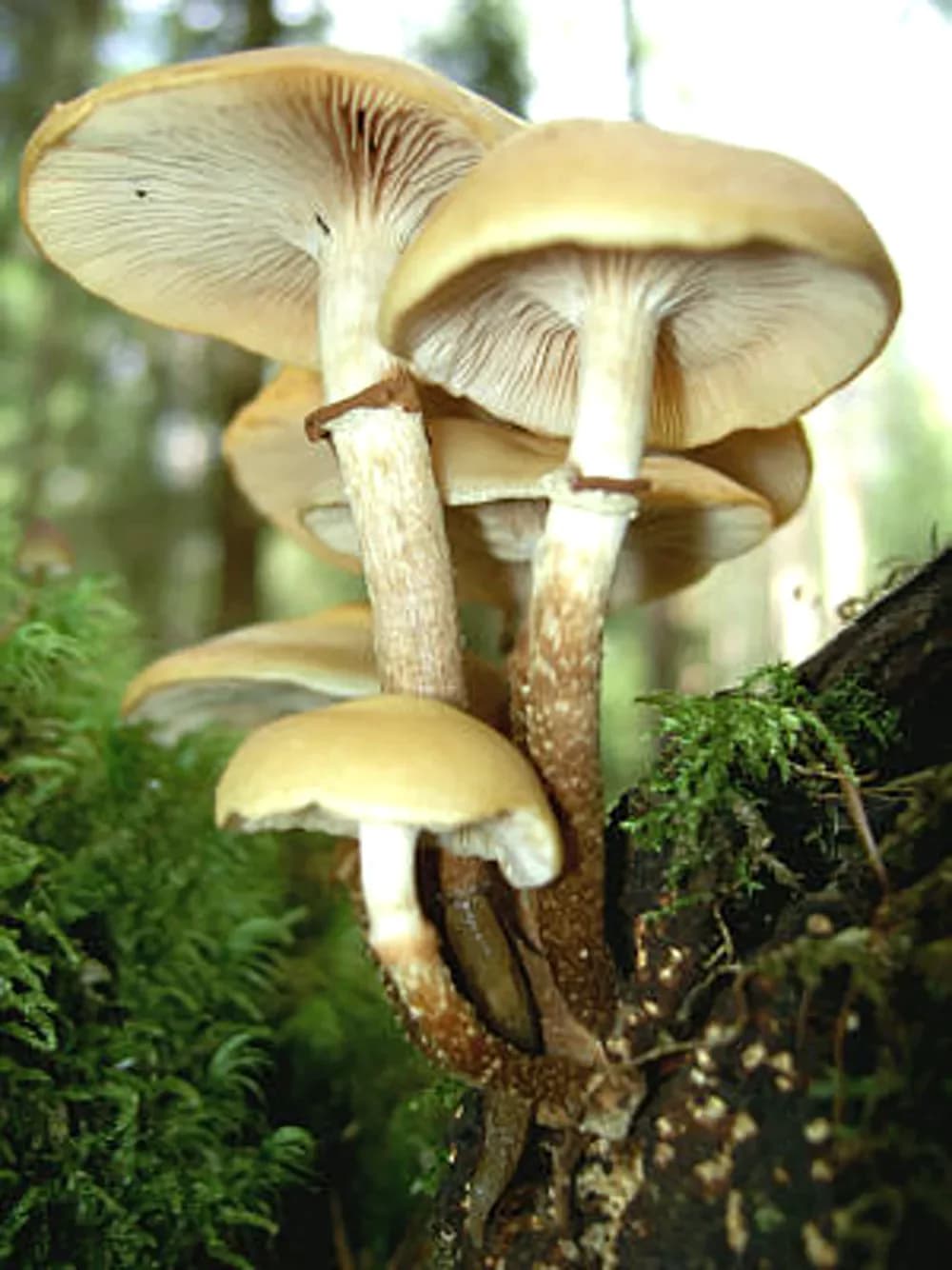
Shaggy scalycap
Pholiota squarrosa
Dry ochre clusters densely covered in upturned scales, at tree bases. Inedible, upsetting for some.
Learn moreFoto: Holger Krisp, CC BY 3.0, Wikimedia Commons
 edible
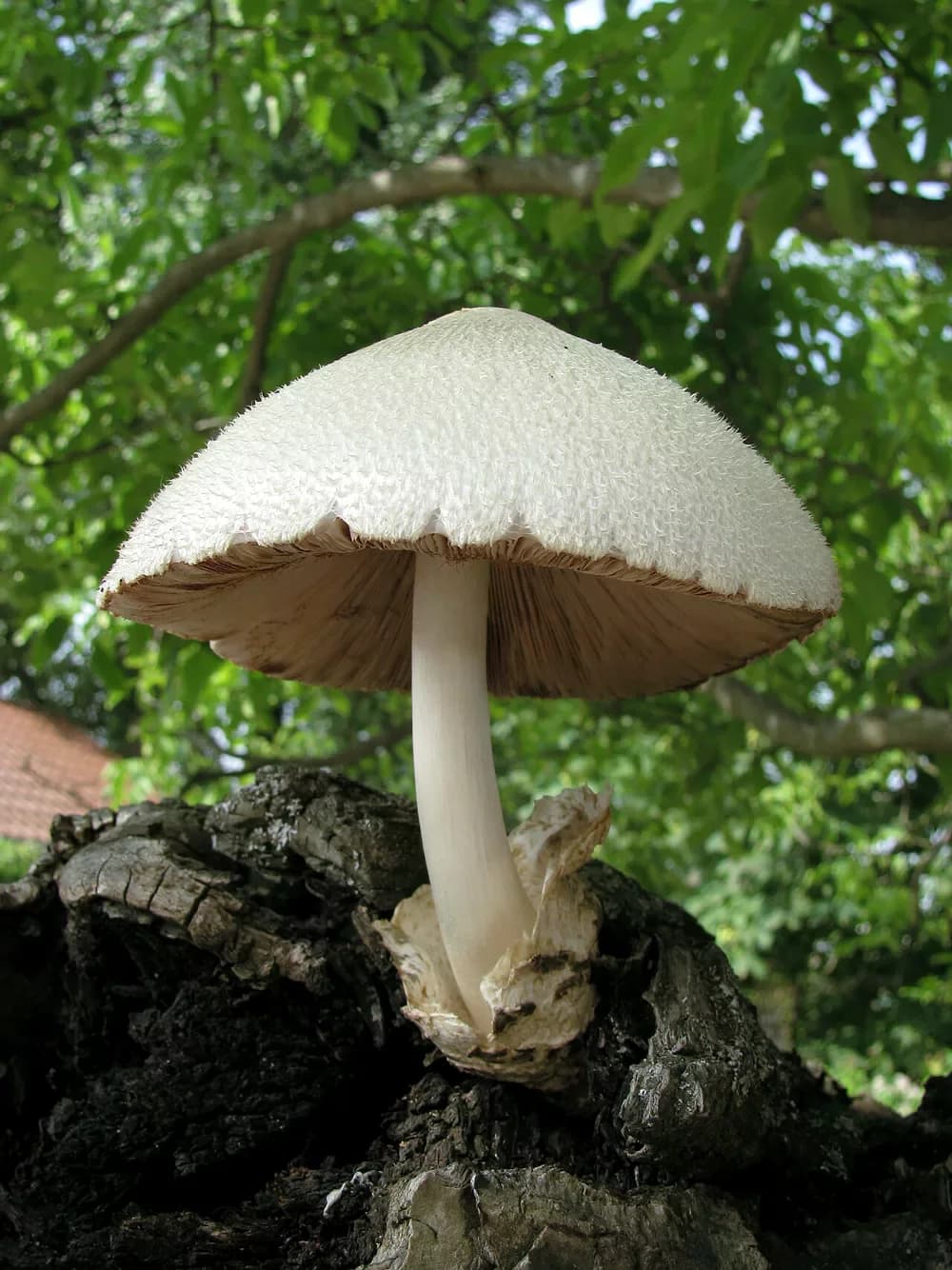
Sheathed woodtuft
Kuehneromyces mutabilis
Brown clusters on hardwood stumps, a popular edible. Beware of confusion with the deadly Galerina.
Learn moreFoto: Wikimedia Commons, CC BY-SA 3.0
 edible
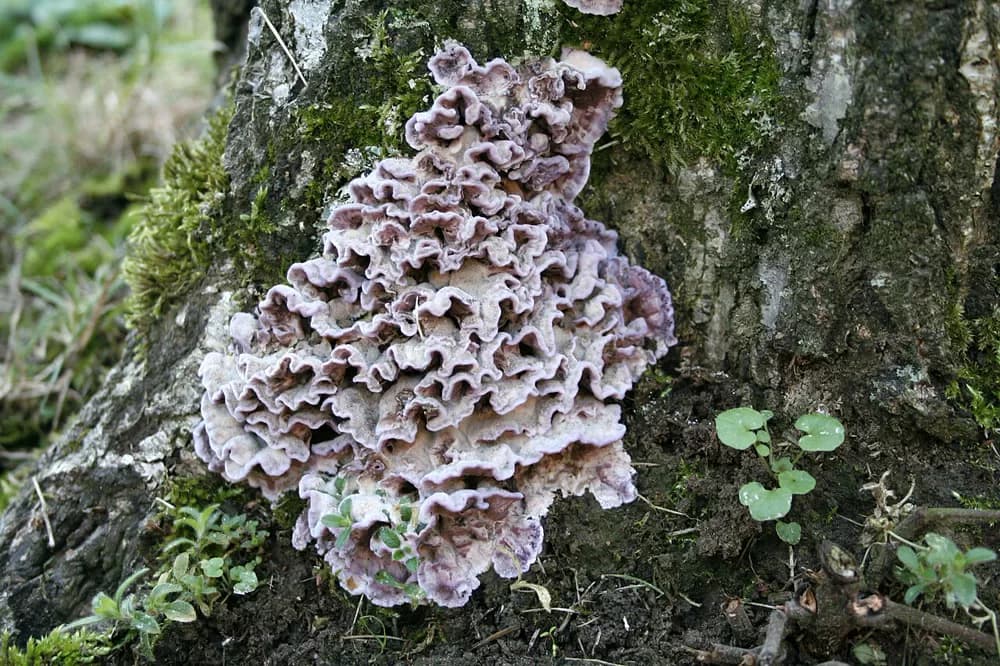
Silky rosegill
Volvariella bombycina
A striking white silky-hairy cap with a volva, from hollows of living hardwoods. Rare, edible.
Learn moreFoto: Hagen Graebner, CC BY-SA 3.0, Wikimedia Commons
 inedible
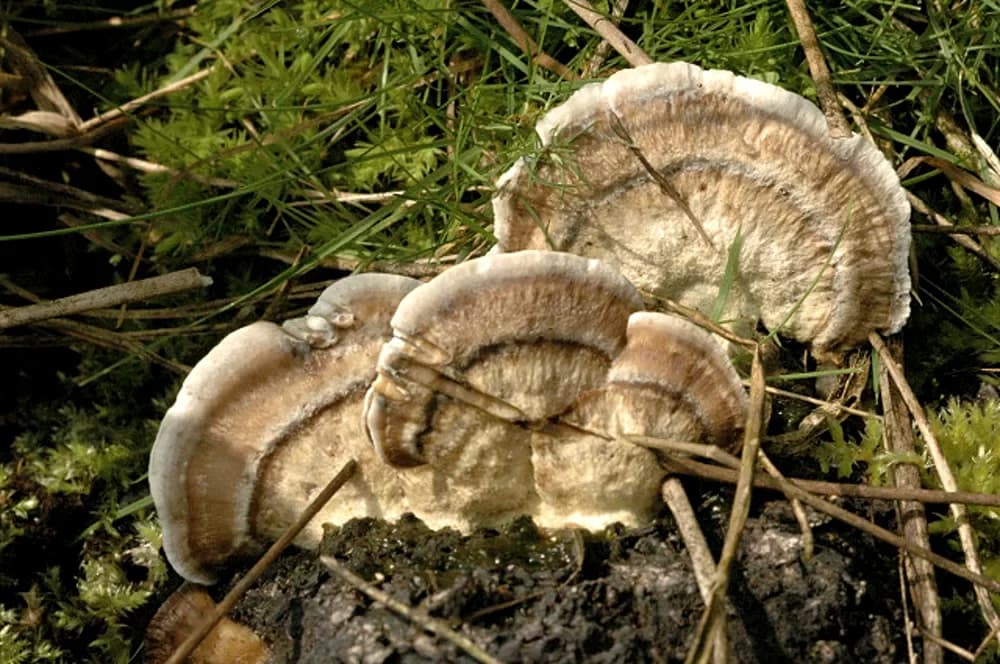
Silverleaf fungus
Chondrostereum purpureum
Violet-purple crusts and brackets on hardwoods; causes silver leaf disease. Inedible.
Learn moreFoto: Strobilomyces, CC BY-SA 3.0, Wikimedia Commons
 inedible
Smoky bracket
Bjerkandera adusta
Thin grey brackets with a dark, scorched-looking pore edge. Inedible, common on hardwoods.
Learn moreFoto: James Lindsey, CC BY-SA 3.0, Wikimedia Commons
 edible
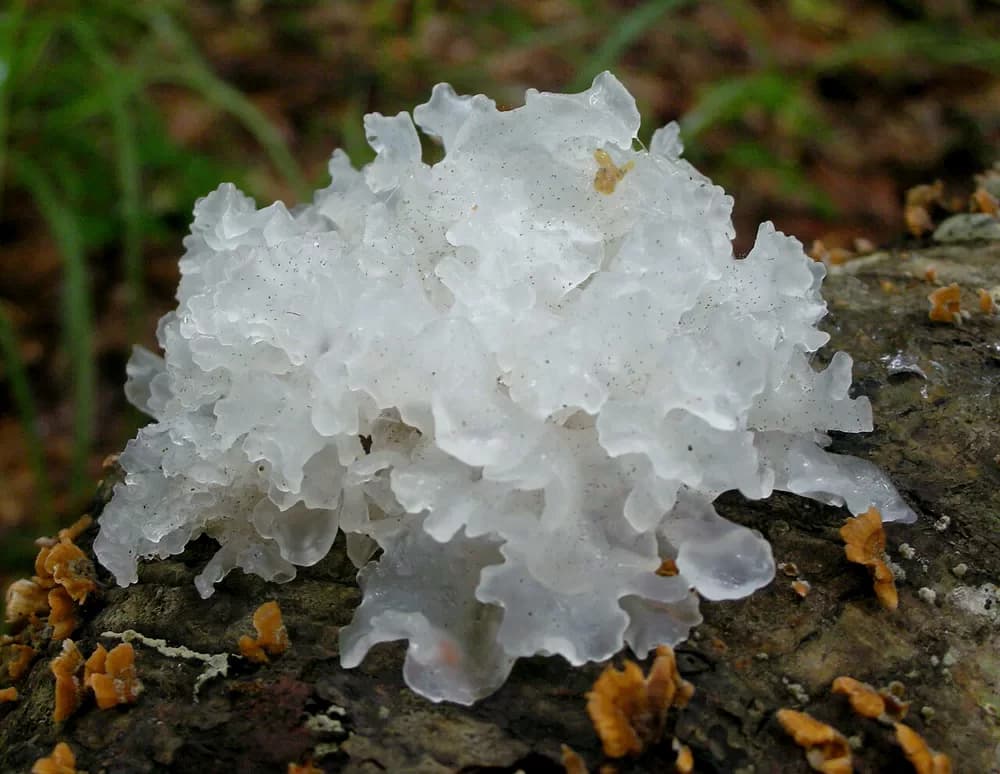
Snow fungus
Tremella fuciformis
White translucent jelly rosettes on dead hardwood. Prized in Asian cuisine and tradition for its polysaccharides.
Learn moreFoto: Ron Pastorino, CC BY-SA 3.0, Wikimedia Commons
 medicinal
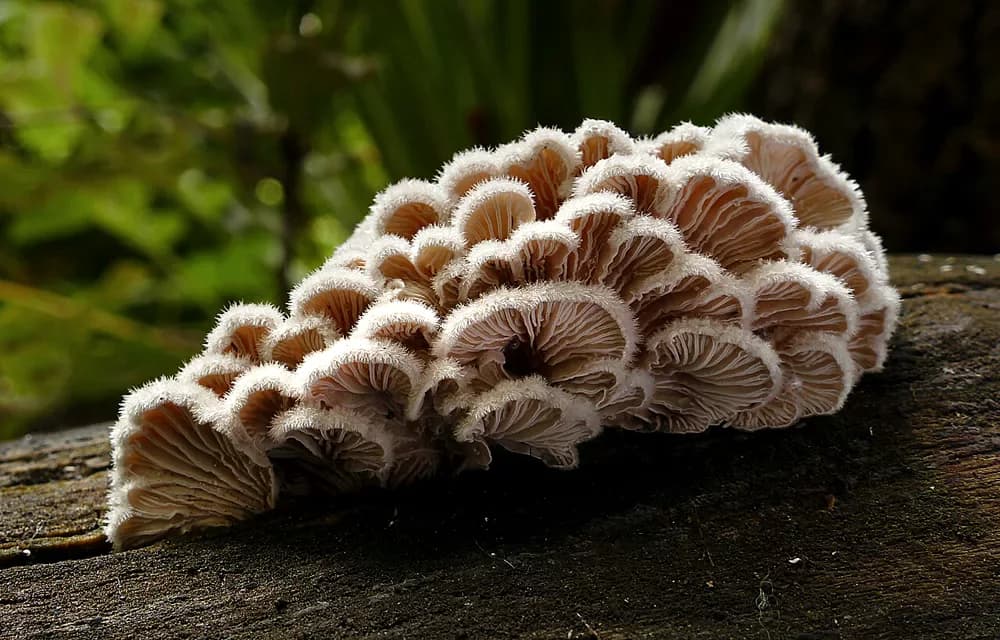
Split gill
Schizophyllum commune
Small fan-shaped bodies with lengthwise split gills; one of the world's most widespread fungi. Source of the polysaccharide schizophyllan.
Learn moreFoto: Bernard Spragg, CC0, Wikimedia Commons
 toxic
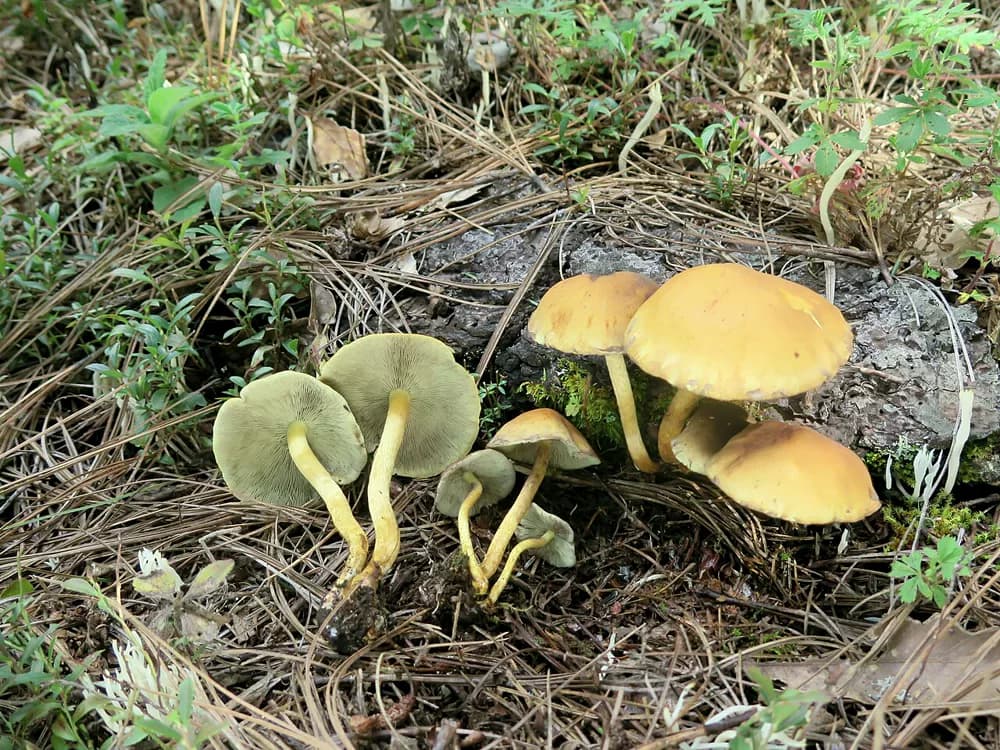
toxicSulphur tuft
Hypholoma fasciculare
Sulphur-yellow clusters on stumps, very bitter. Toxic and easily confused with edible species, so take care.
Learn moreFoto: Alan Rockefeller, CC BY-SA 4.0, Wikimedia Commons
 medicinal
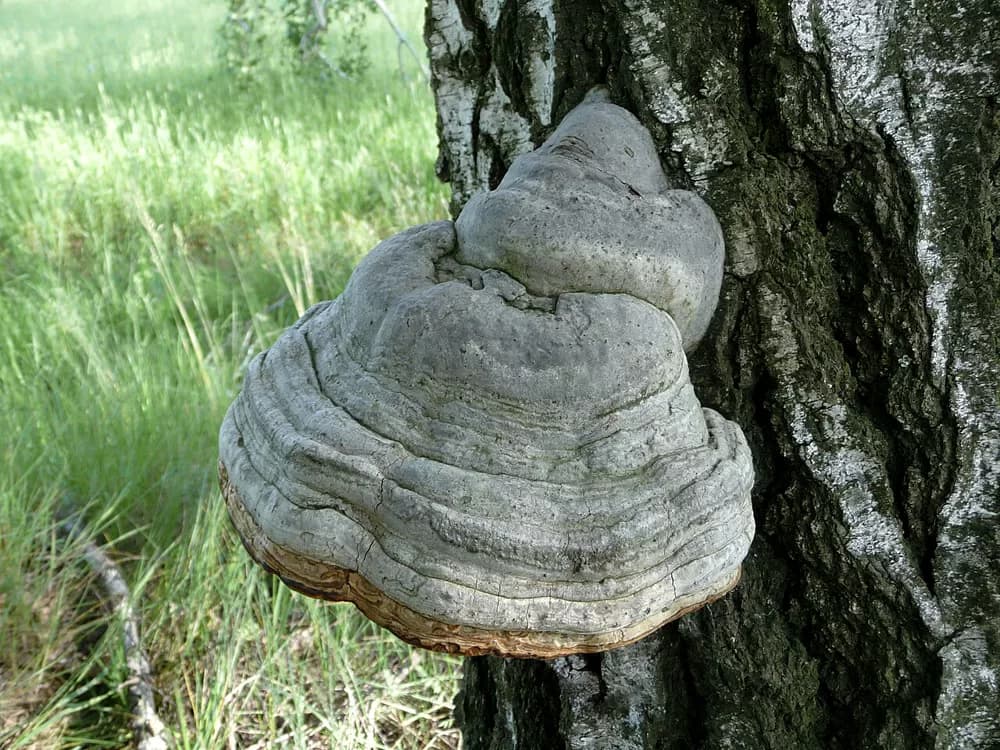
Tinder fungus
Fomes fomentarius
Grey hoof-shaped bracket on birch and beech. Inedible; historically used as tinder (amadou) and in folk medicine.
Learn moreFoto: George Chernilevsky, public domain, Wikimedia Commons
 edible
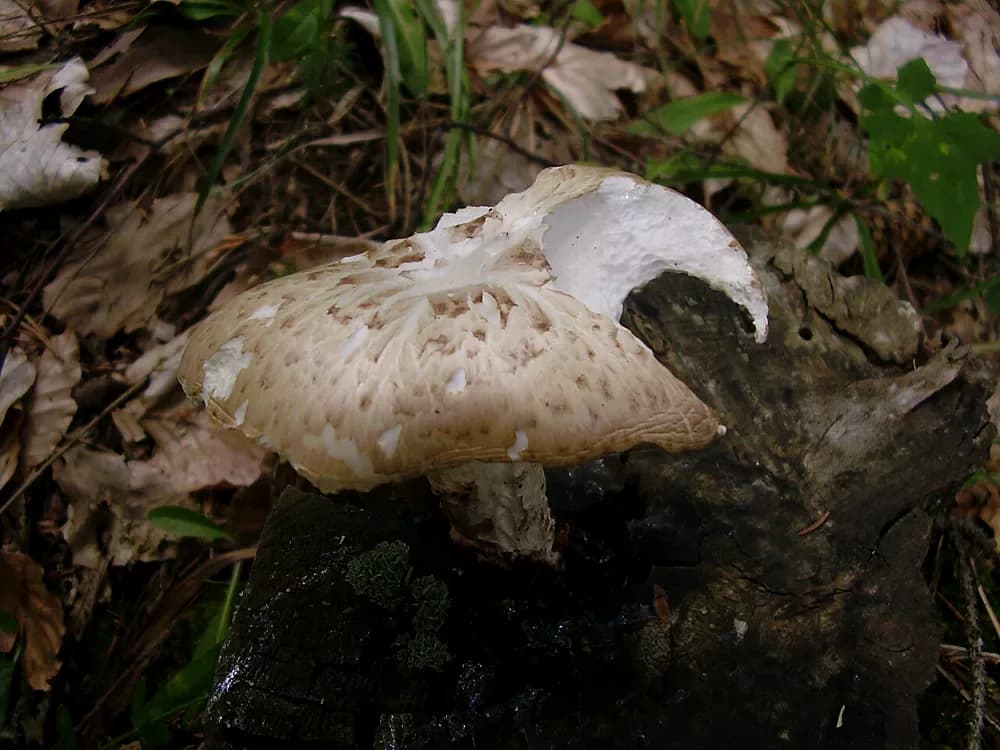
Train wrecker
Neolentinus lepideus
Tough scaly caps on worked conifer wood (sleepers, poles), smelling of anise. Edible when young.
Learn moreFoto: Paffka, CC BY-SA 3.0, Wikimedia Commons
 medicinal
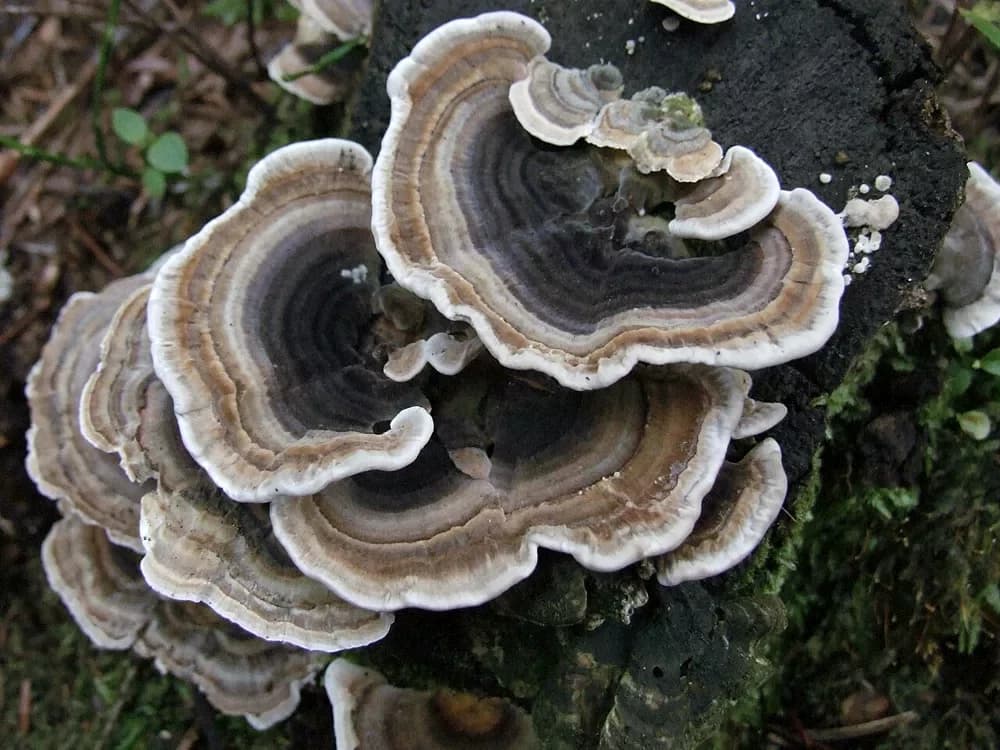
Turkey tail
Trametes versicolor
Colourful semicircular brackets on hardwood stumps. Inedible but one of the best-known medicinal fungi (PSK, PSP).
Learn moreFoto: Jerzy Opioła, CC BY-SA 3.0, Wikimedia Commons
 medicinal
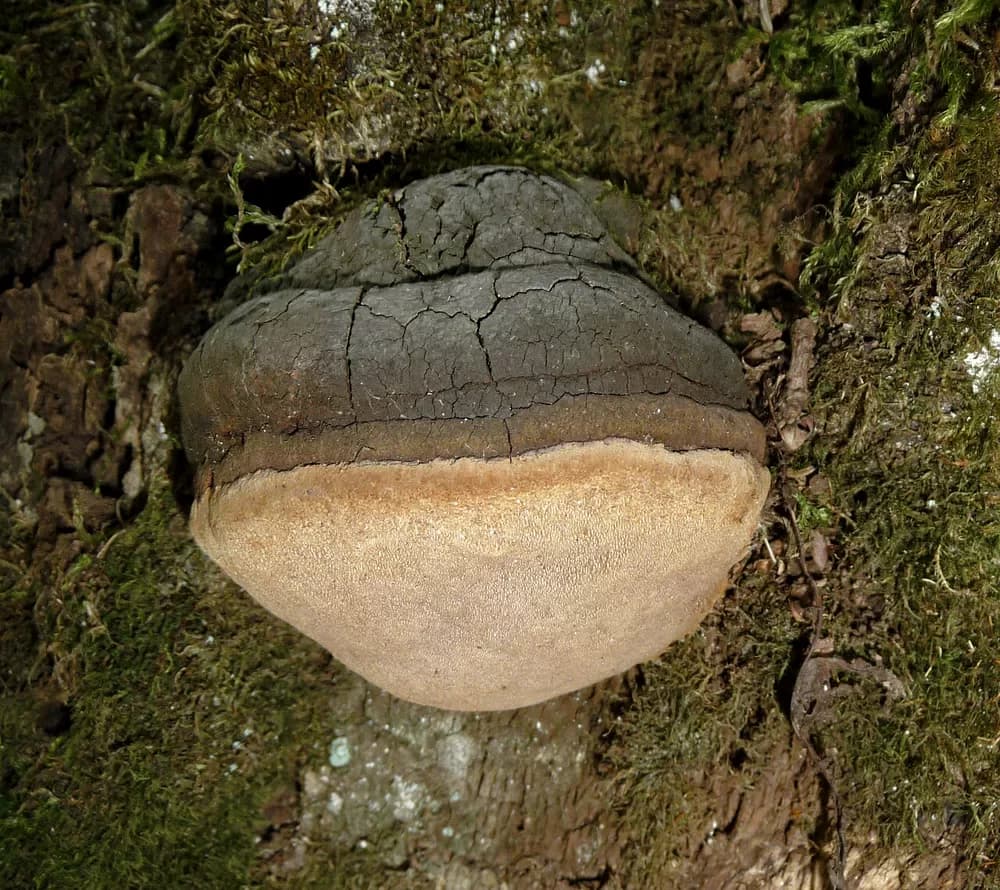
Willow bracket
Phellinus igniarius
A hard, cracked hoof-shaped bracket on willow and birch. Inedible; used ritually in northern traditions.
Learn moreFoto: George Chernilevsky, public domain, Wikimedia Commons
 edible
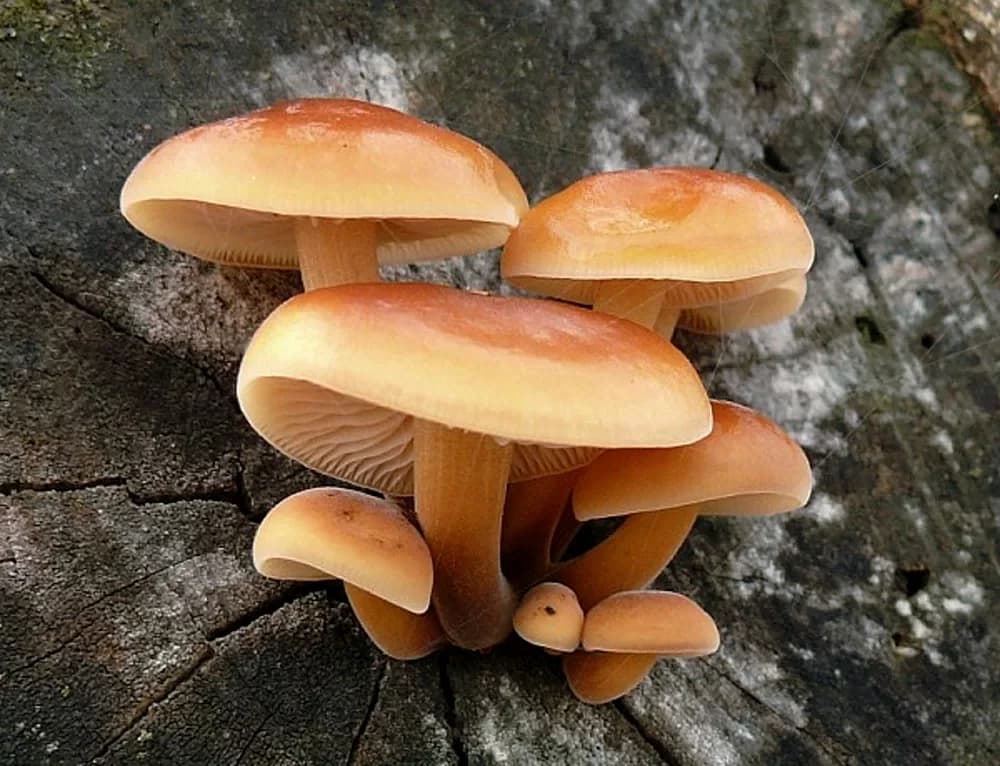
Winter mushroom (enoki)
Flammulina velutipes
Orange caps with a velvety stem, fruiting even in frost. Edible; the cultivated form is sold as enoki.
Learn moreFoto: František Šaržík, CC BY-SA 3.0, Wikimedia Commons
 edible
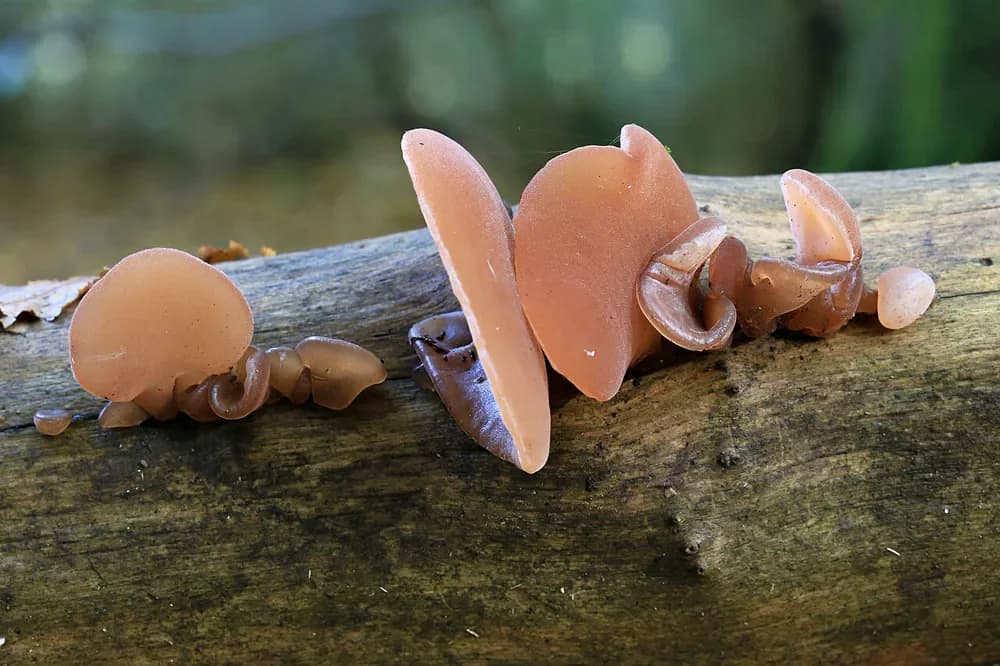
Wood ear
Auricularia auricula-judae
Jelly-like, ear-shaped fruit bodies on elder. Edible and prized in Asian cuisine and tradition.
Learn moreFoto: Stu's Images, CC BY-SA 4.0, Wikimedia Commons
 inedible
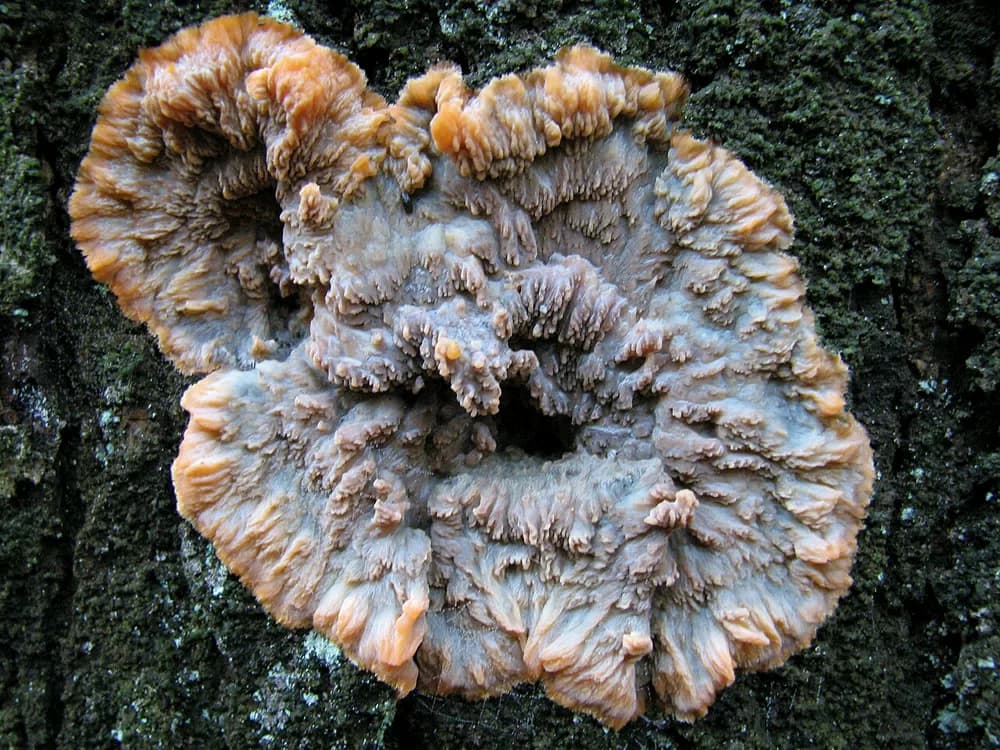
Wrinkled crust
Phlebia radiata
Orange-pink, wrinkled resupinate crusts on dead hardwood. Inedible but strikingly colourful.
Learn moreFoto: Dohduhdah, public domain, Wikimedia Commons
 edible
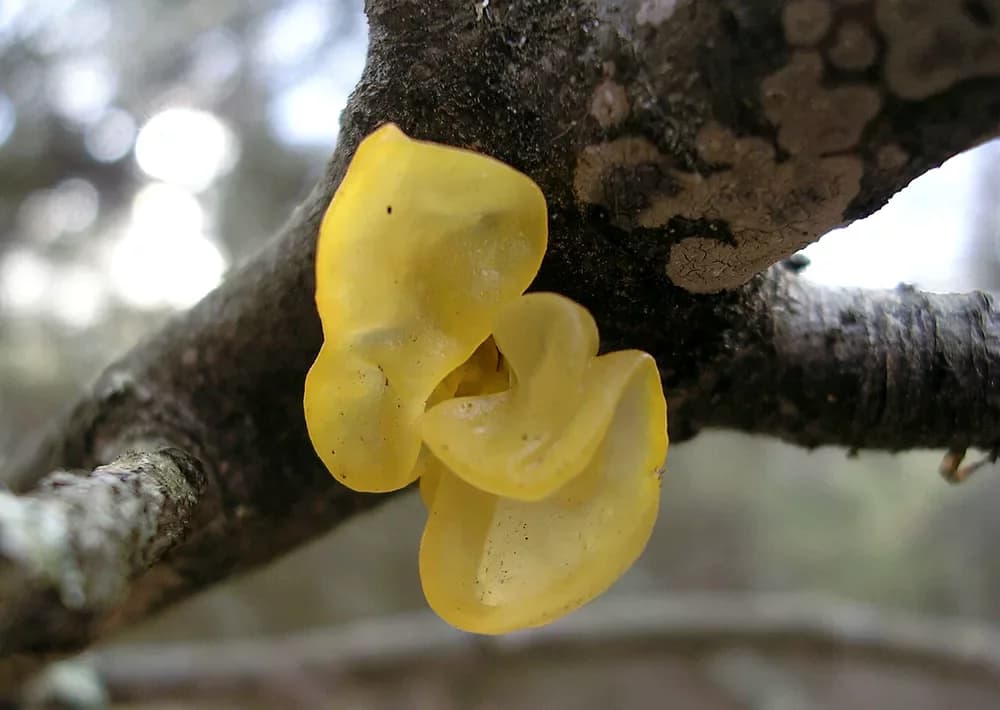
Yellow brain
Tremella mesenterica
Bright yellow jelly lobes on hardwood twigs, mainly after rain. Edible but bland; it parasitises other fungi.
Learn moreFoto: J. Carmichael, public domain, Wikimedia Commons