

Bitter oyster
Small pale-brown fans on oak stumps; bitter, and some strains glow faintly in the dark. Inedible.
Panellus stipticus
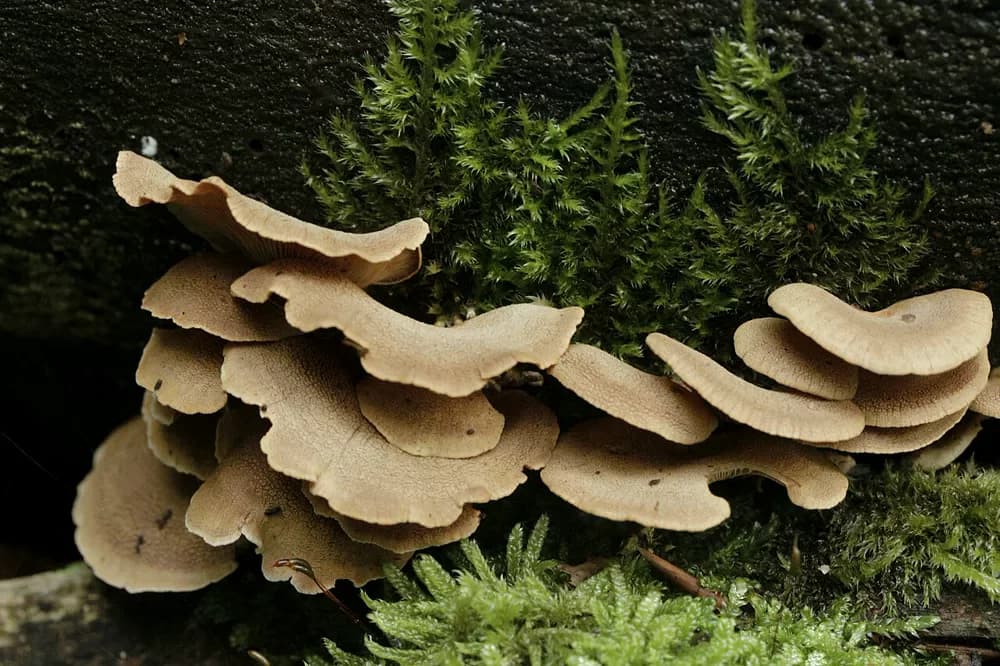
A wood-decay fungus that breaks down wood – found on stumps, trunks and branches in the forests of Czechia and Slovakia.
Edibility: Inedible – not toxic, but not eaten due to its tough texture or taste.
How these mushrooms are processed
Most medicinal wood-decay mushrooms are not eaten. Their active compounds, beta-glucans, triterpenes and melanins, are locked in chitin and woody tissue that human digestion cannot break down.
So the mushroom is first dried and then extracted. Hot water releases the beta-glucans, while alcohol (ethanol) pulls out the triterpenes it leaves behind. Combining both is called dual extraction, the reliable way to reach the compounds in a hard mushroom.
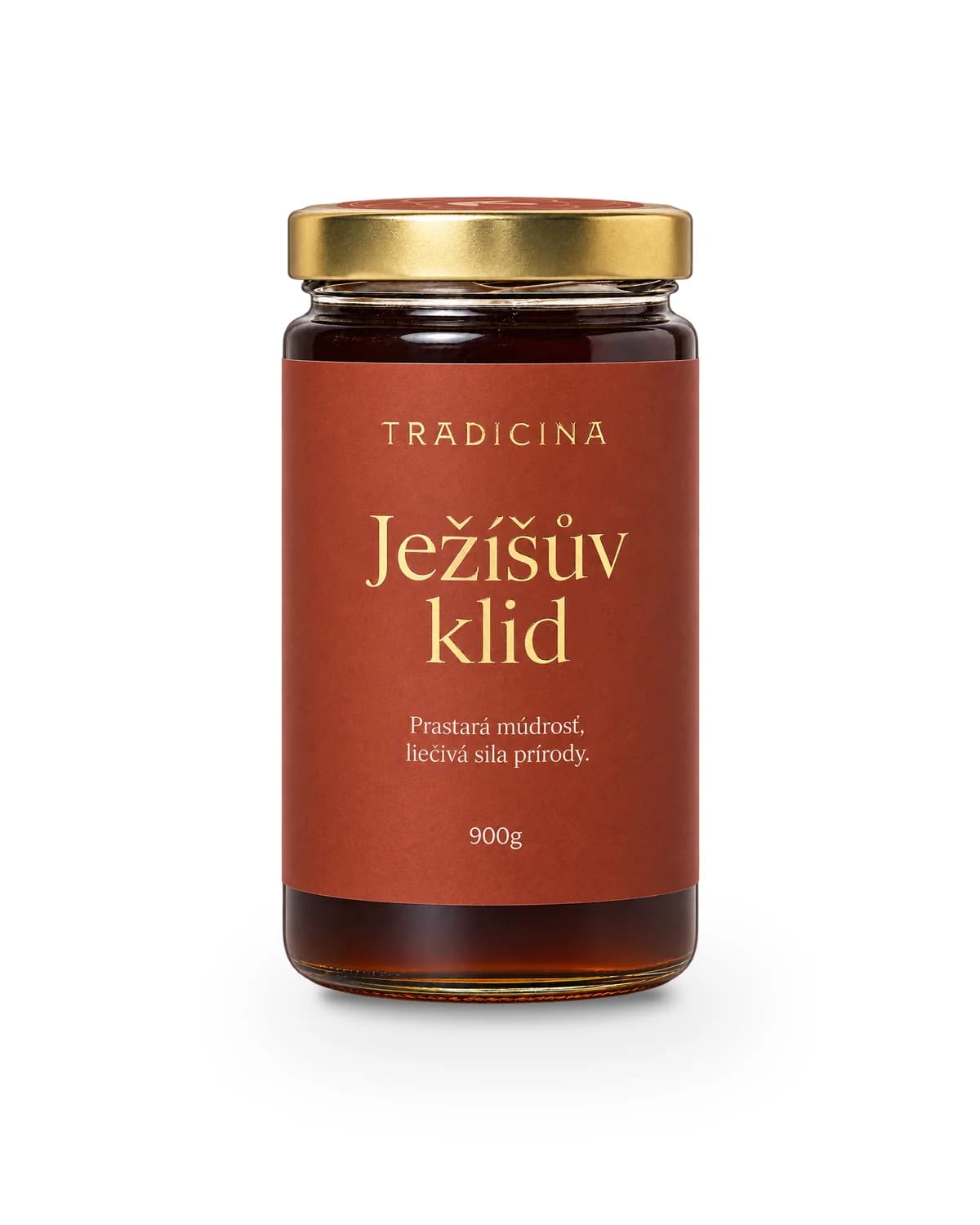
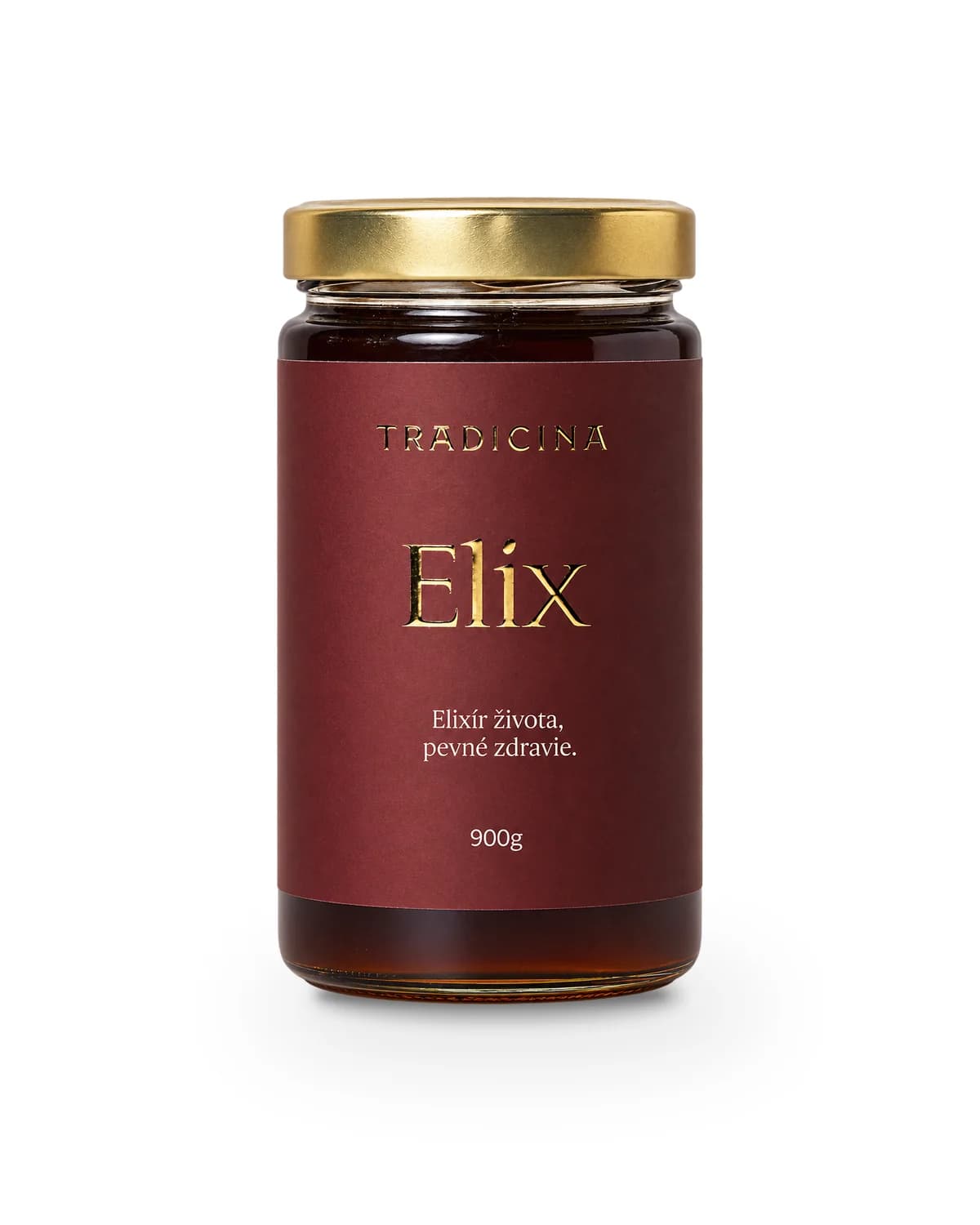
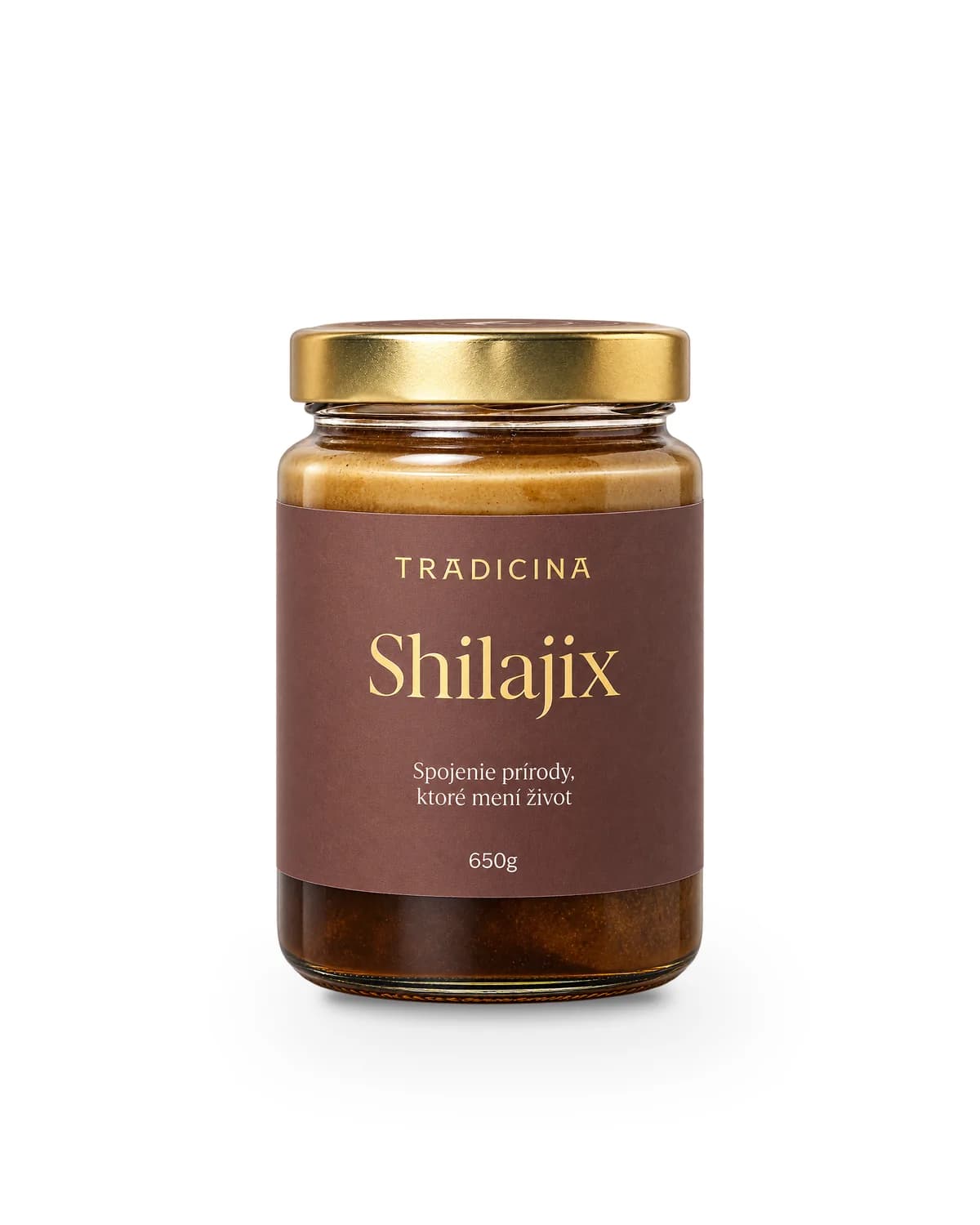
That is why a mushroom can be labelled inedible and still be valuable: it is not eaten on a plate, but used as a dried extract. In Tradicína products the mushrooms are fruiting-body extracts (not grain-grown mycelium) combined with BIO RAW honey.