


 BIO
Cordyceps
Cordyceps is an unusual mushroom that in nature grows from insects; today it is grown purely on a plant substrate. Traditionally it is linked to energy, stamina and breath.
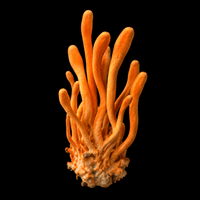
Cordyceps militaris
- 01
What cordyceps is
Cultivated cordyceps (Cordyceps militaris) is deep orange and a source of cordycepin. For supplements the whole fruiting body is extracted.
- 02
Traditional use
In Tibetan and Chinese tradition cordyceps was used by herders and athletes for vitality, stamina and support during exertion.
- 03
What science studies
Research focuses on cordycepin and adenosine and their role in the cells' energy metabolism. It is a food ingredient, not a medicine.
- 04
Key compounds
Characteristic is cordycepin, along with adenosine and beta-glucans.
- 05
Forms and how to choose
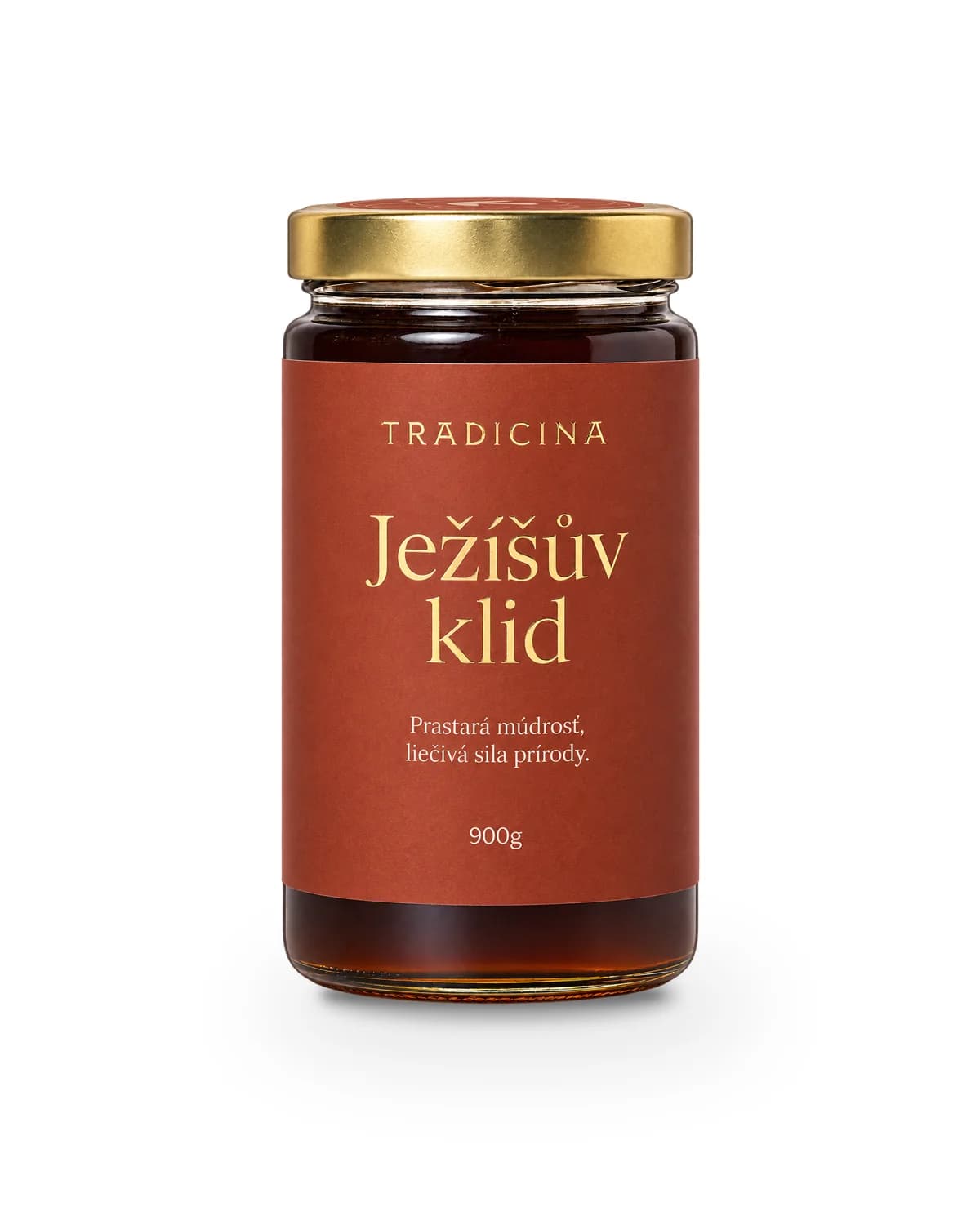
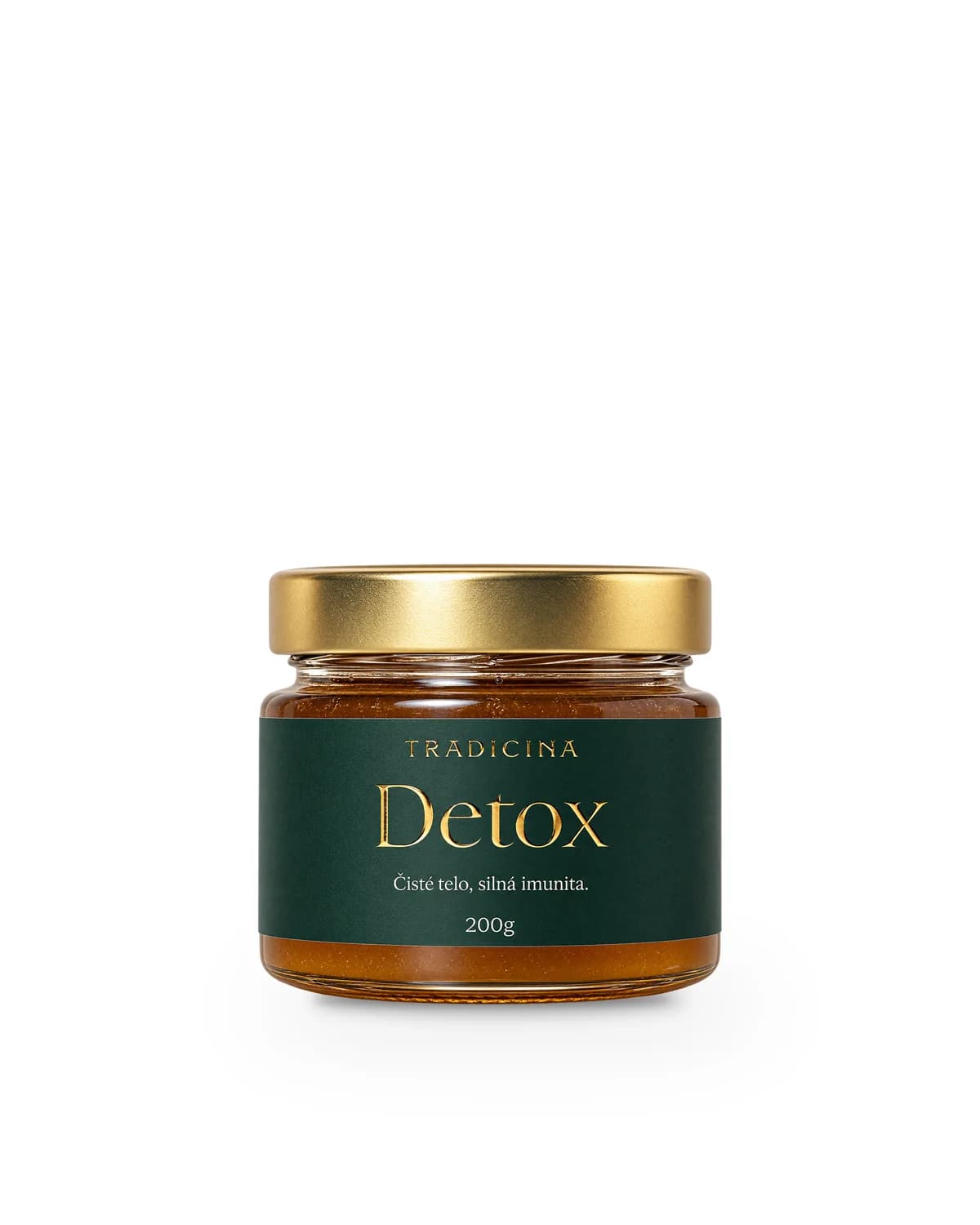
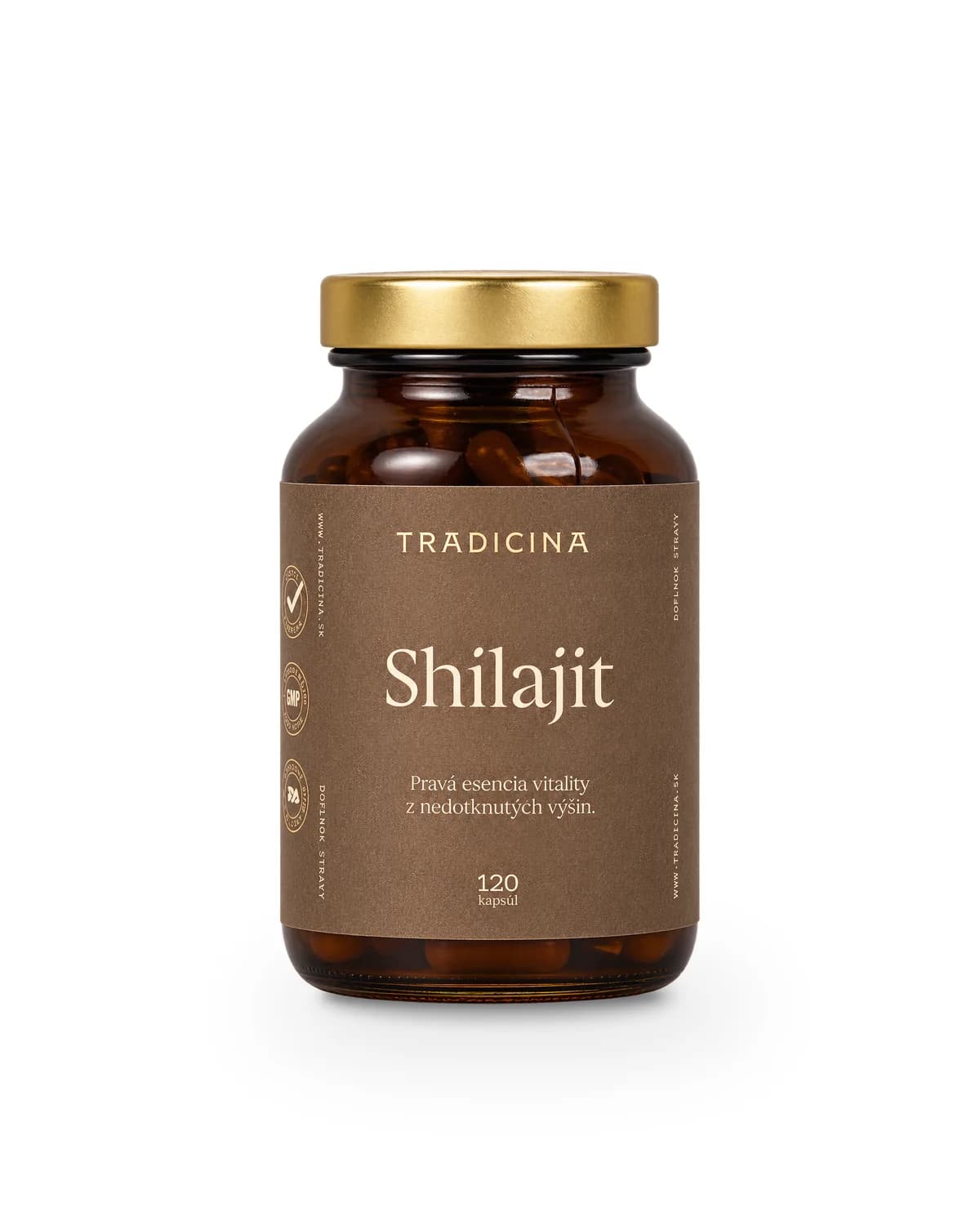
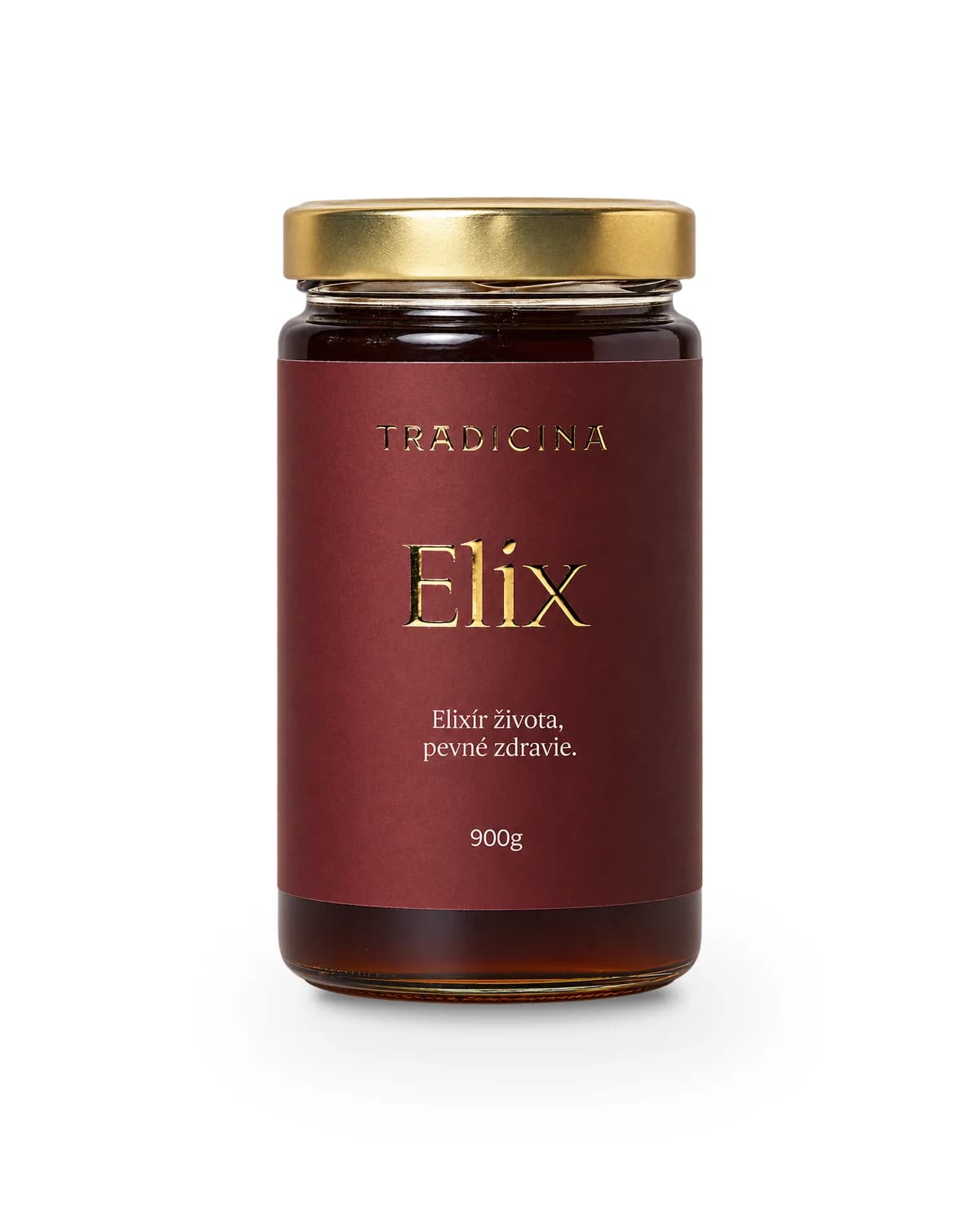
On today's market, cordyceps almost always means the species Cordyceps militaris grown on a substrate, not the rare wild Cordyceps sinensis. You can get it as a powder, capsules, a tincture or in honey. Active compounds such as cordycepin, adenosine and polysaccharides are mostly water soluble, so a quality water extract from fruiting bodies is the foundation, and dual extraction broadens the profile further. Beware of products made from mycelium on grain, which tend to be diluted with starch and lower in actives. For sport and energy, concentrated extracts with a stated cordycepin content have proven useful.
- 06
Dosage
As a rough guide, an extract is used at around 1 to 3 g a day, a tincture at a few millilitres, and honey at about one teaspoon. Cordyceps is traditionally linked with energy and stamina, so most people take it in the morning or before physical activity rather than in the evening, to avoid disturbing sleep. It can also be split across the day. Follow the specific product, since extracts are usually far more concentrated than raw powder.
- 07
What the research says
Research on cordyceps revolves around cordycepin and adenosine and their possible influence on energy metabolism, oxygen use and physical performance. Another line looks at beta-glucans and the immune response, as well as antioxidant activity. Some human sports studies are small and the results are mixed, and much of the data still comes from animal and laboratory models. So these are promising but still unverified directions, not a confirmed performance or therapeutic effect.
- 08
Safety and who should take care
Cordyceps is usually well tolerated, though some people get mild digestive discomfort. Since its effect on blood sugar, clotting and immunity is being studied, talk to your doctor if you take diabetes medication, blood thinners or immunosuppressants, or if you have surgery ahead. During pregnancy and breastfeeding it is better to skip it, as data are lacking. With autoimmune conditions and chronic illnesses, discuss use with a professional.
Where science sees potential
- energy, stamina and oxygen utilisation
- support during physical exertion
What studies have shown
Cunningham K.G. et al., 1950, Nature
isolation of cordycepin – the characteristic cordyceps compound
Hirsch K.R. et al., 2017, J. Diet. Suppl.
cordyceps and endurance parameters during exercise (small study)
This concerns research on the mushroom and its compounds, not a claim that a food supplement treats disease. Many findings come from laboratory or smaller studies.
FAQ
- What is cordyceps traditionally used for?
- Cordyceps is traditionally associated with vitality, physical stamina and energy. Research is exploring its effect on oxygen utilization and performance, and results in humans are still mixed.
- How is cordyceps dosed?
- A common intake is around 1 to 3 g of extract per day, depending on the type of product. Follow the label and start with a lower dose.
- When is the best time to take cordyceps, morning or evening?
- Since it is linked to energy and vitality, it is recommended in the morning or before physical activity. Taking it late in the evening could disturb sleep for some people.
- Does cordyceps have side effects?
- It is usually well tolerated, with mild digestive discomfort or restlessness appearing occasionally. Stop use if difficulties persist.
- Who should avoid cordyceps?
- It is not recommended in pregnancy or breastfeeding due to a lack of data. With autoimmune conditions or if you take medication, consult your doctor.
- How long does it take for cordyceps to work?
- Any changes in perceived energy and stamina usually appear after several weeks of regular use. The effect is individual.
- What does cordyceps taste like?
- Cordyceps has a mild earthy, slightly sweetish taste. In an extract or honey form the taste is subtle and easy to take.
Found in products
- BIO