







Lion's Mane
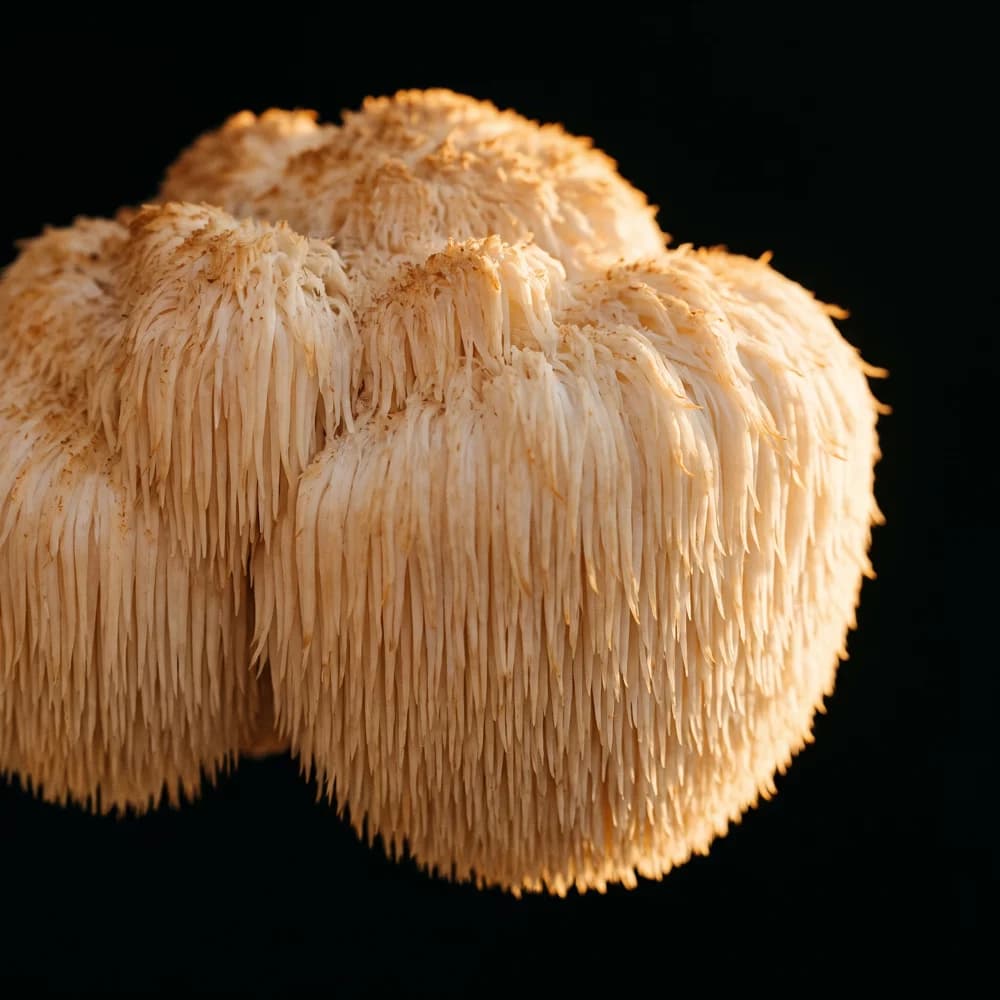
Lion's mane (Hericium erinaceus) is a white mushroom resembling a frozen cascade. In tradition and research it is associated mainly with the nervous system and a clear mind.
Hericium erinaceus
- 01
What hericium is
Hericium grows on hardwood trees and is edible – it tastes like seafood. For supplements the fruiting body is extracted.
- 02
Traditional use
In Asian tradition lion's mane was used for digestion and as support for focus and a calm mind.
- 03
What science studies
Research focuses on the unique compounds hericenones and erinacines and their relation to the nervous system. It is a food ingredient, not a medicine.
- 04
Key compounds
Besides beta-glucans it contains hericenones and erinacines, which are not found in other mushrooms.
Where science sees potential
- the nervous system and NGF production
- cognitive function and memory
- digestive-tract health
What studies have shown
Kawagishi H. et al., 1991, Tetrahedron Lett. (Japonsko)
isolation of hericenones from the fruiting body – in vitro NGF stimulation
Mori K. et al., 2009, Phytother. Res. (Japonsko)
small Japanese trial: lion's mane and mild cognitive difficulties in older adults
This concerns research on the mushroom and its compounds, not a claim that a food supplement treats disease. Many findings come from laboratory or smaller studies.
FAQ
- Why is lion's mane linked to the brain?
- For its hericenones and erinacines, which are studied in relation to the nervous system. This is not a medical claim.
- Where is it in Tradicína?
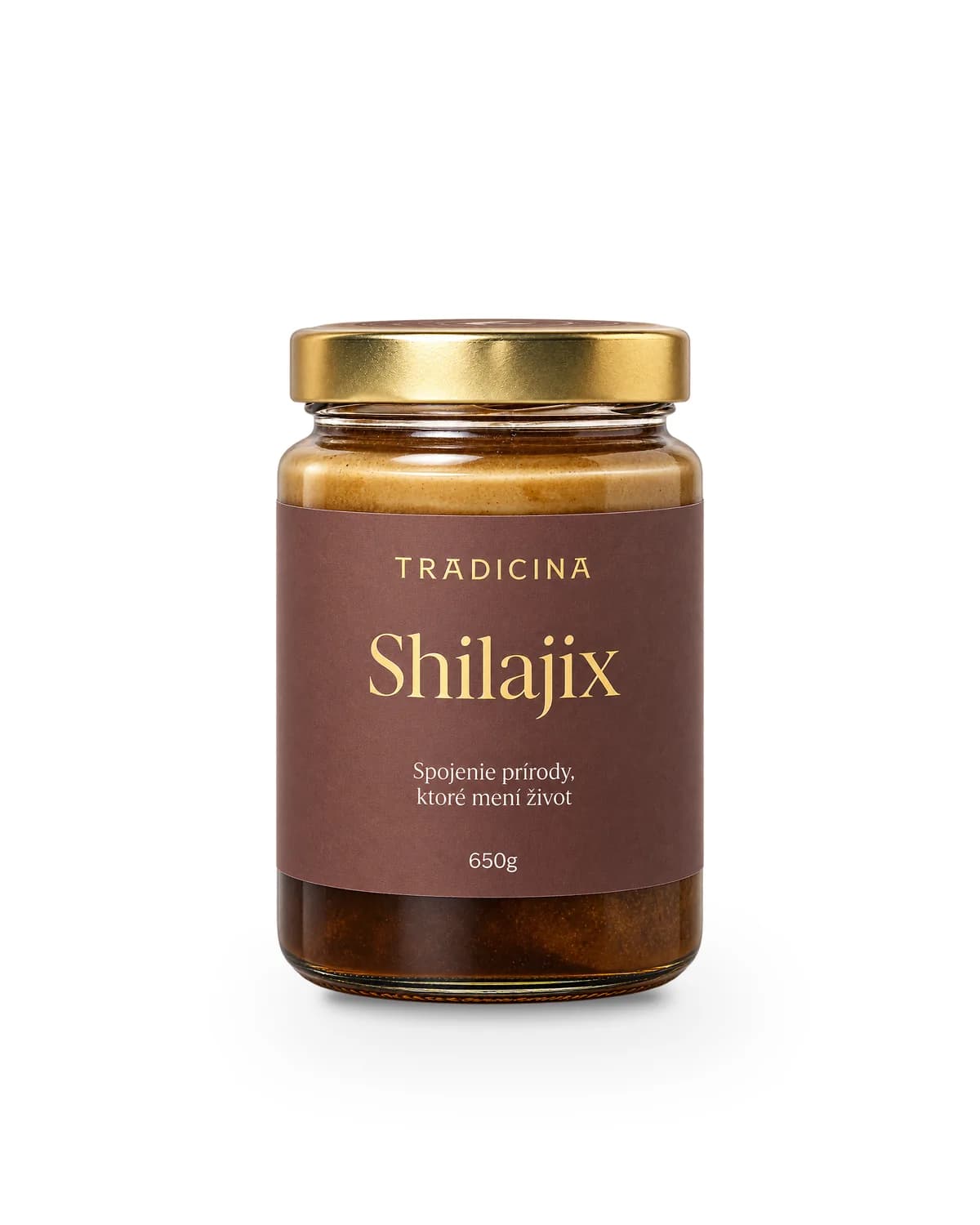
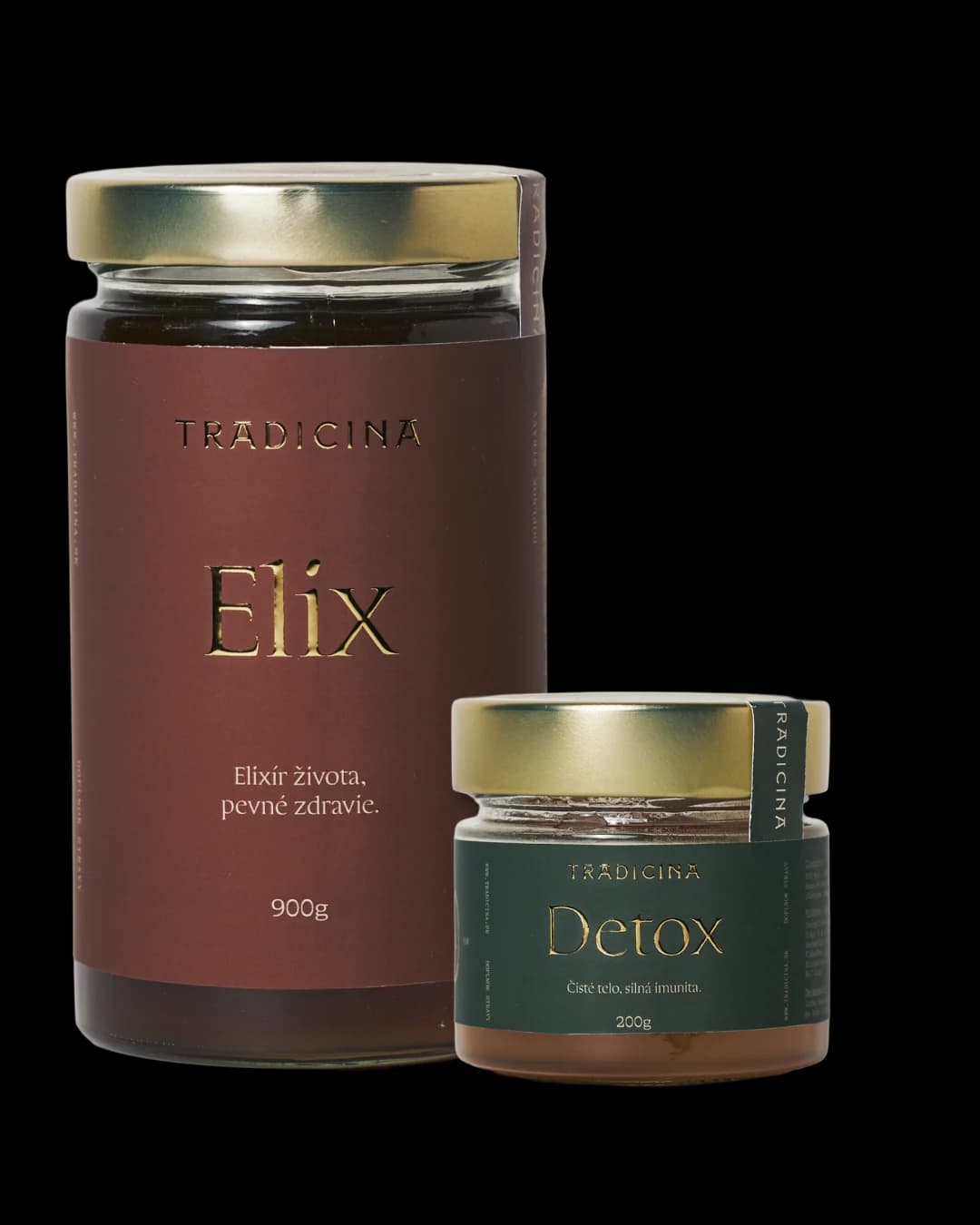
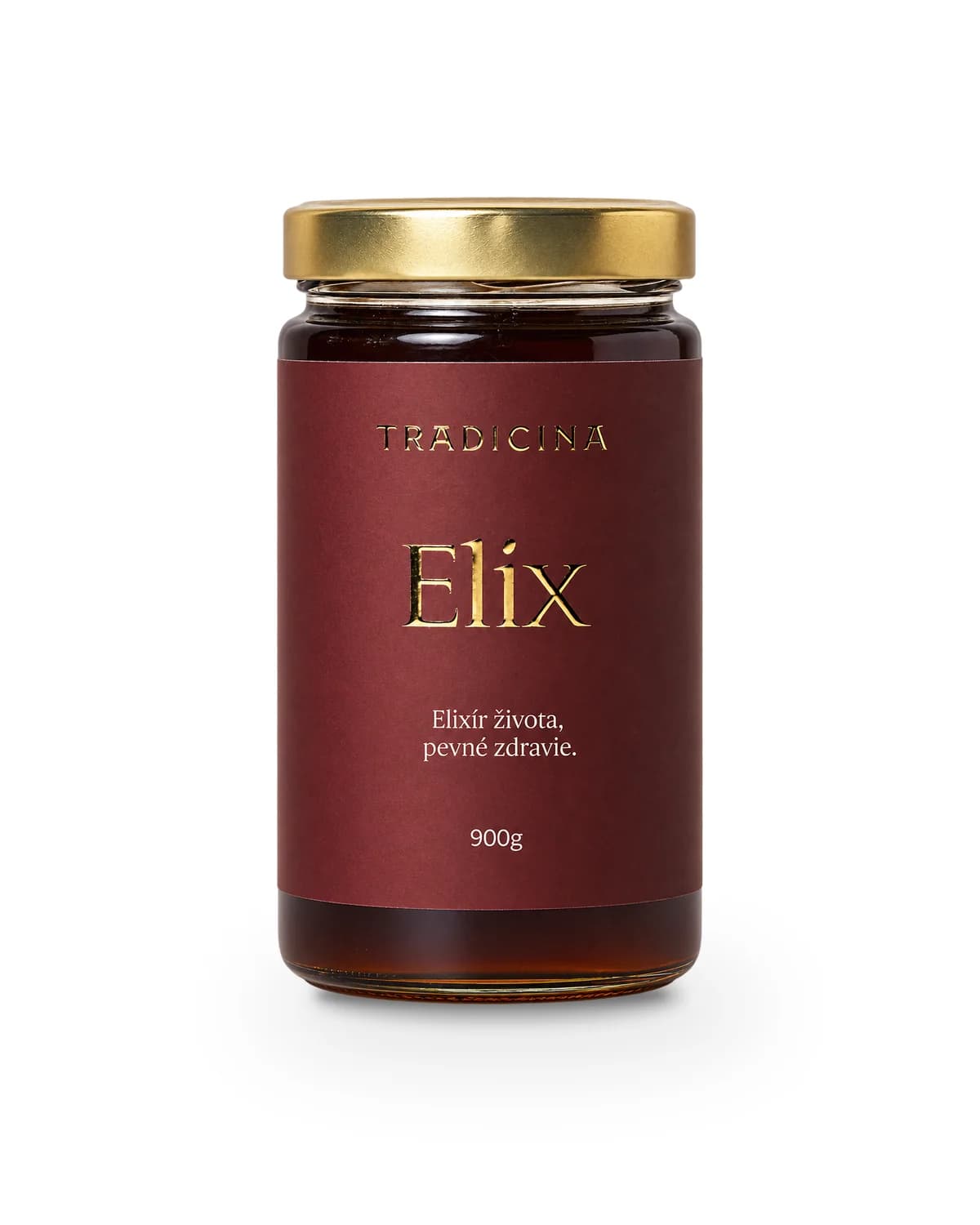
- It is part of both Elix and Shilajix.