

Beta-glucans: mushroom vs. yeast (and why 1,3/1,6)
Not all beta-glucans are the same. How mushroom and yeast beta-glucans differ, why 1,3/1,6 branching matters, and how to spot quality.
2 min read
What beta-glucans are
Beta-glucans are polysaccharides – long chains of glucose molecules that form part of the cell walls of mushrooms, yeast, grains and some bacteria. But they are not a single substance. How the individual glucose molecules are linked decides what type of beta-glucan it is and how it behaves.
Two bond types matter: beta-1,3 (the main chain, the "backbone") and beta-1,6 (the side branches). The ratio and arrangement of these bonds is exactly what separates mushroom, yeast and grain beta-glucans.
Mushroom versus yeast beta-glucans
Although both are called "beta-glucans", their structure differs:
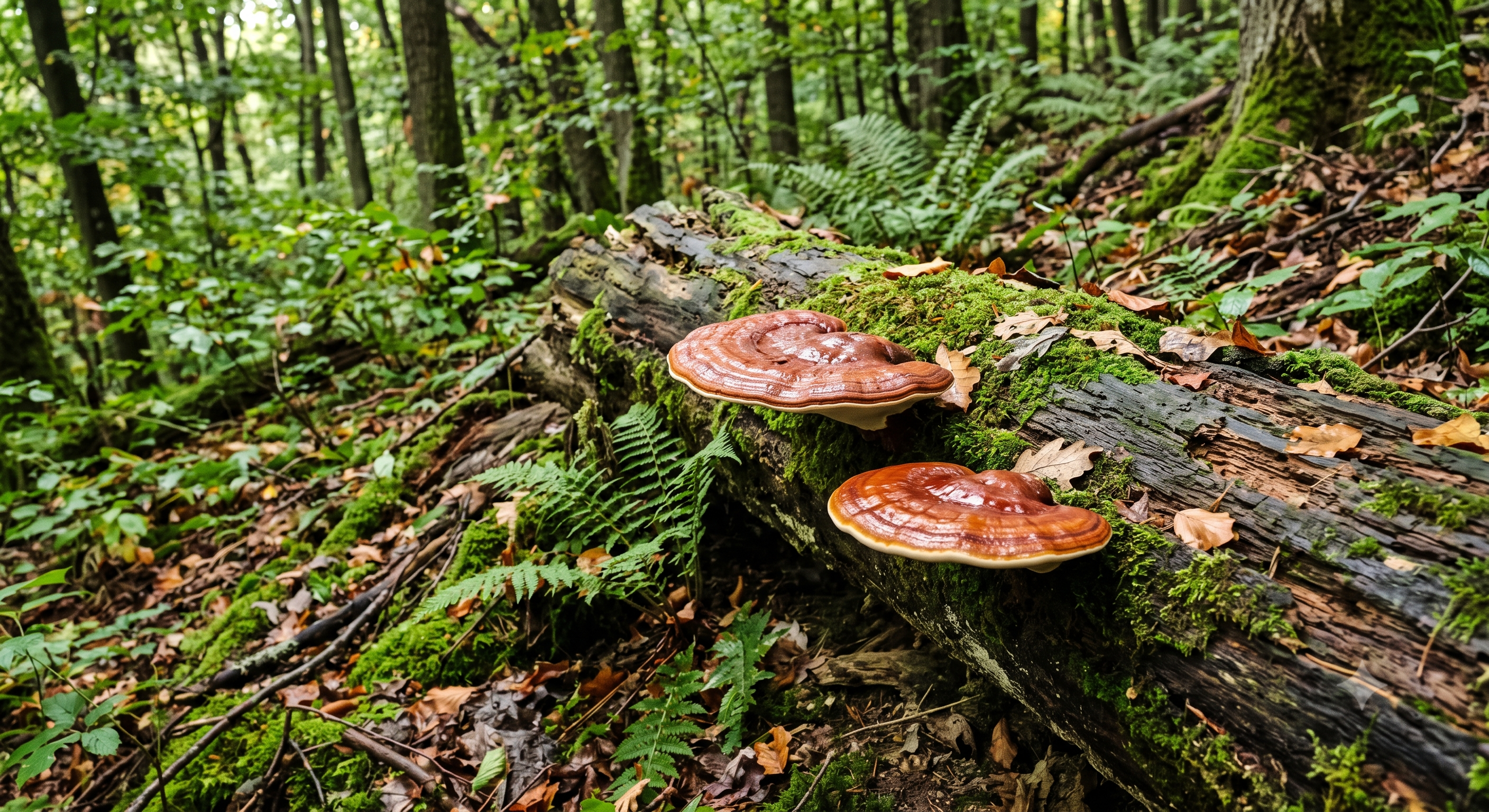
- Mushroom (from medicinal mushrooms): a 1,3 backbone with rich 1,6 branching. This branched, "full-spectrum" 1,3/1,6 arrangement is what is studied most in mushrooms. Each mushroom – reishi, chaga, oyster, maitake – has a slightly different profile.
- Yeast (e.g. Saccharomyces cerevisiae): also a 1,3 backbone, but with shorter, simpler 1,6 branches. They are cheaper to produce, which is why they show up in mass-made supplements.
- Grain (oat, barley): 1,3/1,4 bonds – a completely different structure, associated mainly with fibre.
In other words: the word "beta-glucan" on a label tells you nothing about where it comes from or what structure it has.
Why structure matters
The body recognises beta-glucans through specific receptors on immune cells (such as dectin-1). Research therefore focuses on how the shape and 1,3/1,6 branching affect this recognition. Structure is not a detail – it is the reason mushroom beta-glucans are among the most studied components of mushrooms at all.
Beta-glucans are a food ingredient, not a medicine. This text explains what they are and how they differ – not the treatment of any disease.
Fruiting body versus mycelium on grain
Even more important than "mushroom vs. yeast" is which part of the mushroom the supplement comes from. A large part of the market uses mycelium grown on grain – dried mycelium together with leftover grain. The result tends to be high in starch and low in beta-glucans.
A simple indicator is the iodine test: if the powder turns blue after a drop of iodine, it contains a lot of grain starch. A true mushroom fruiting body does not react this way.
How we approach it at Tradicína
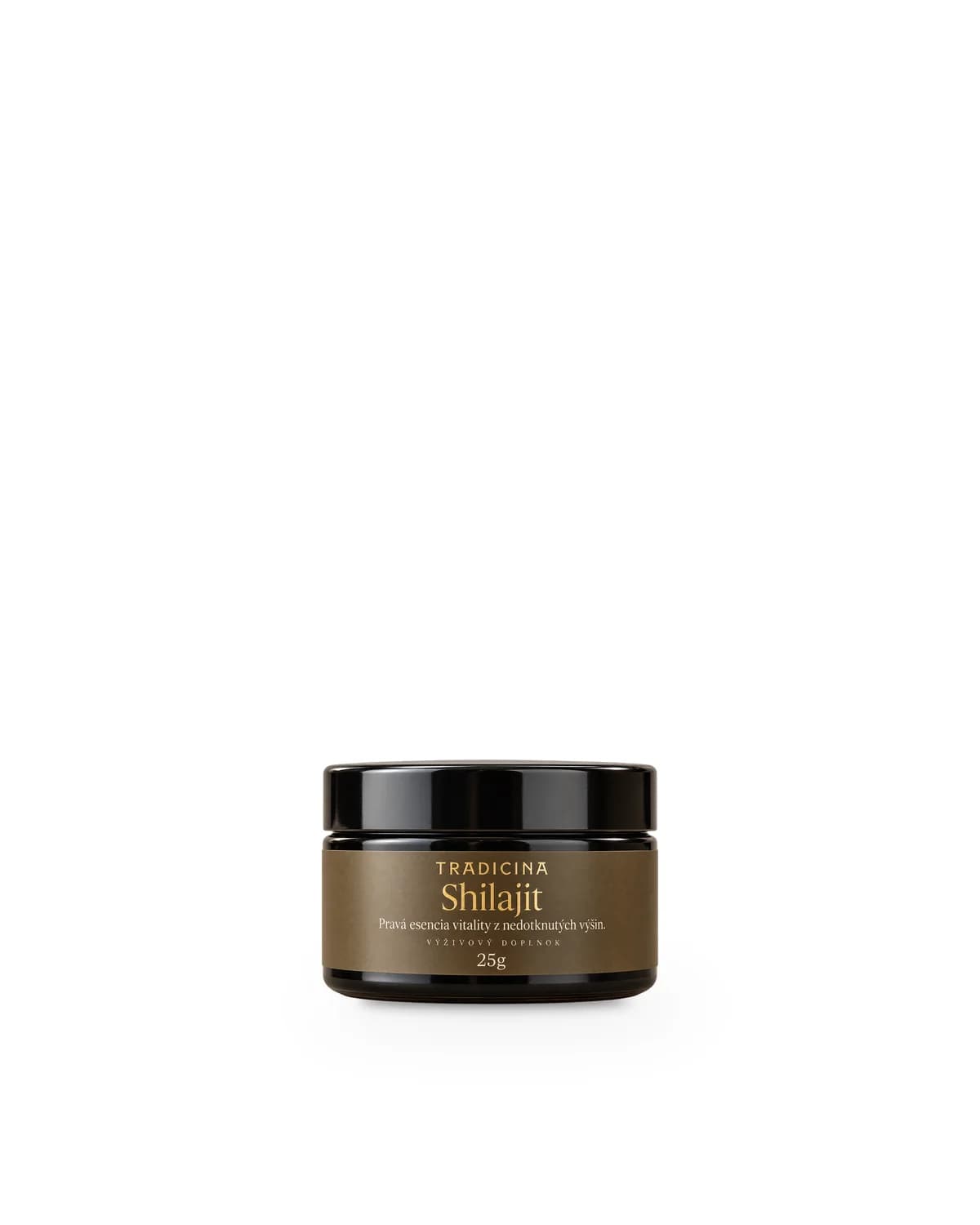
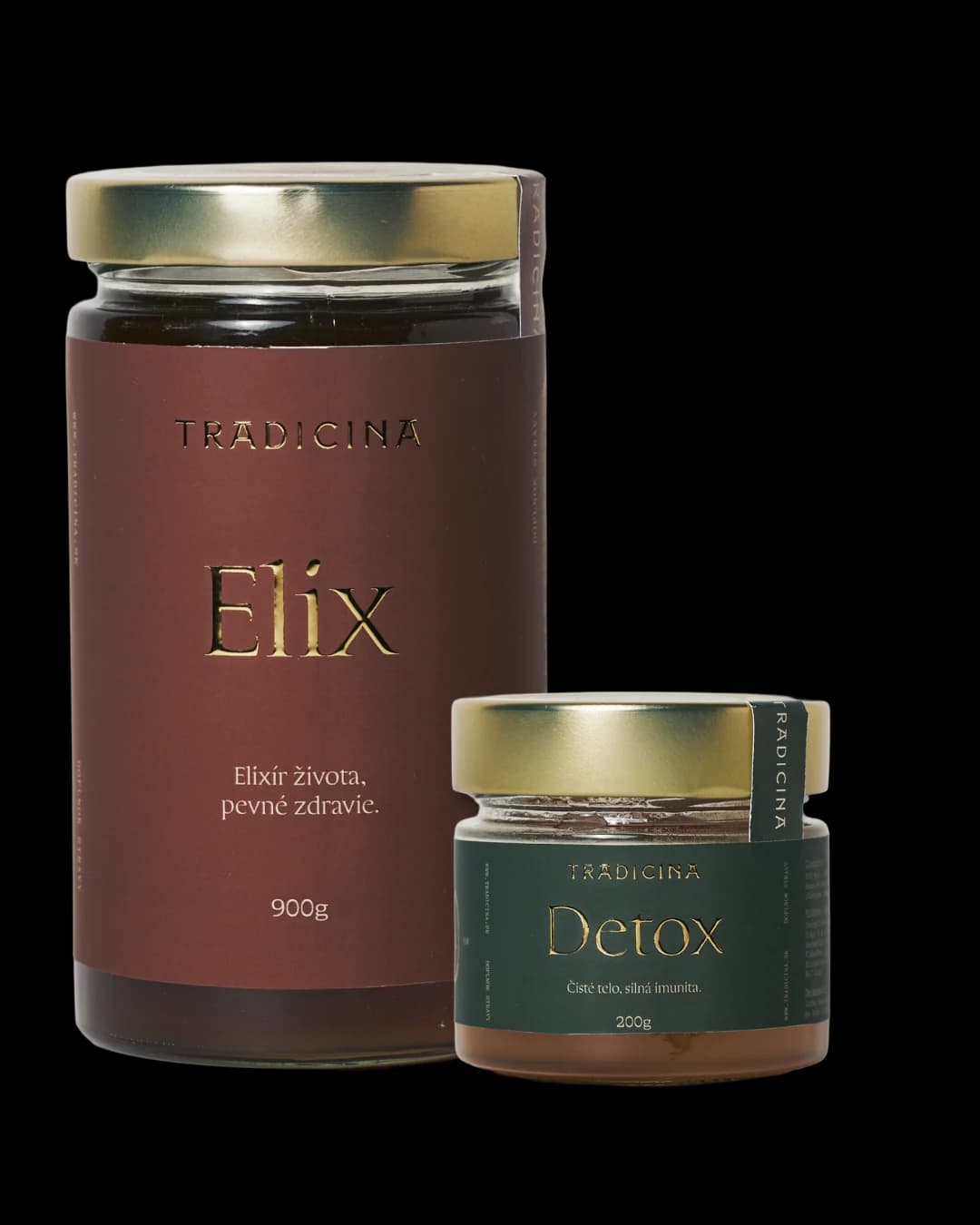
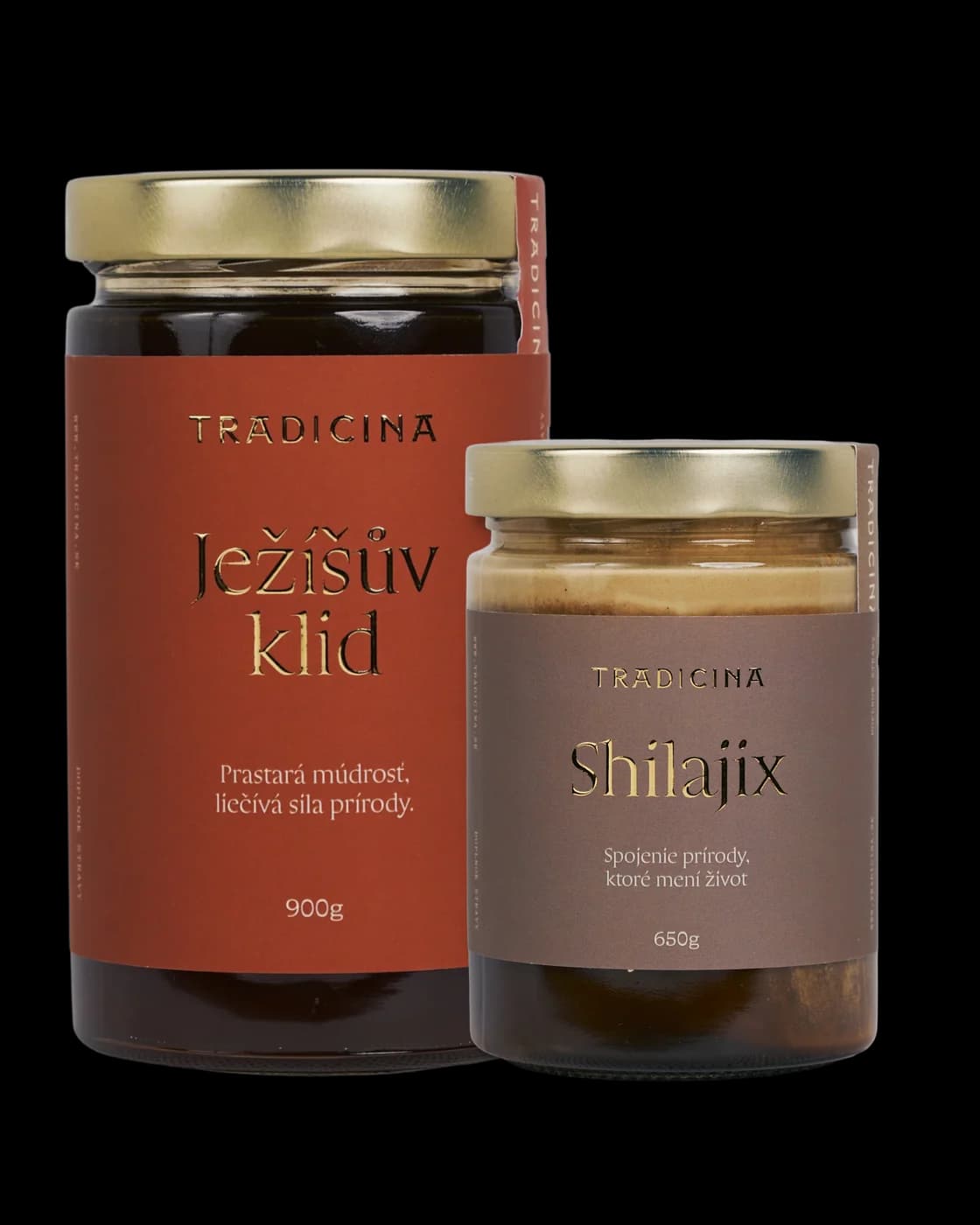
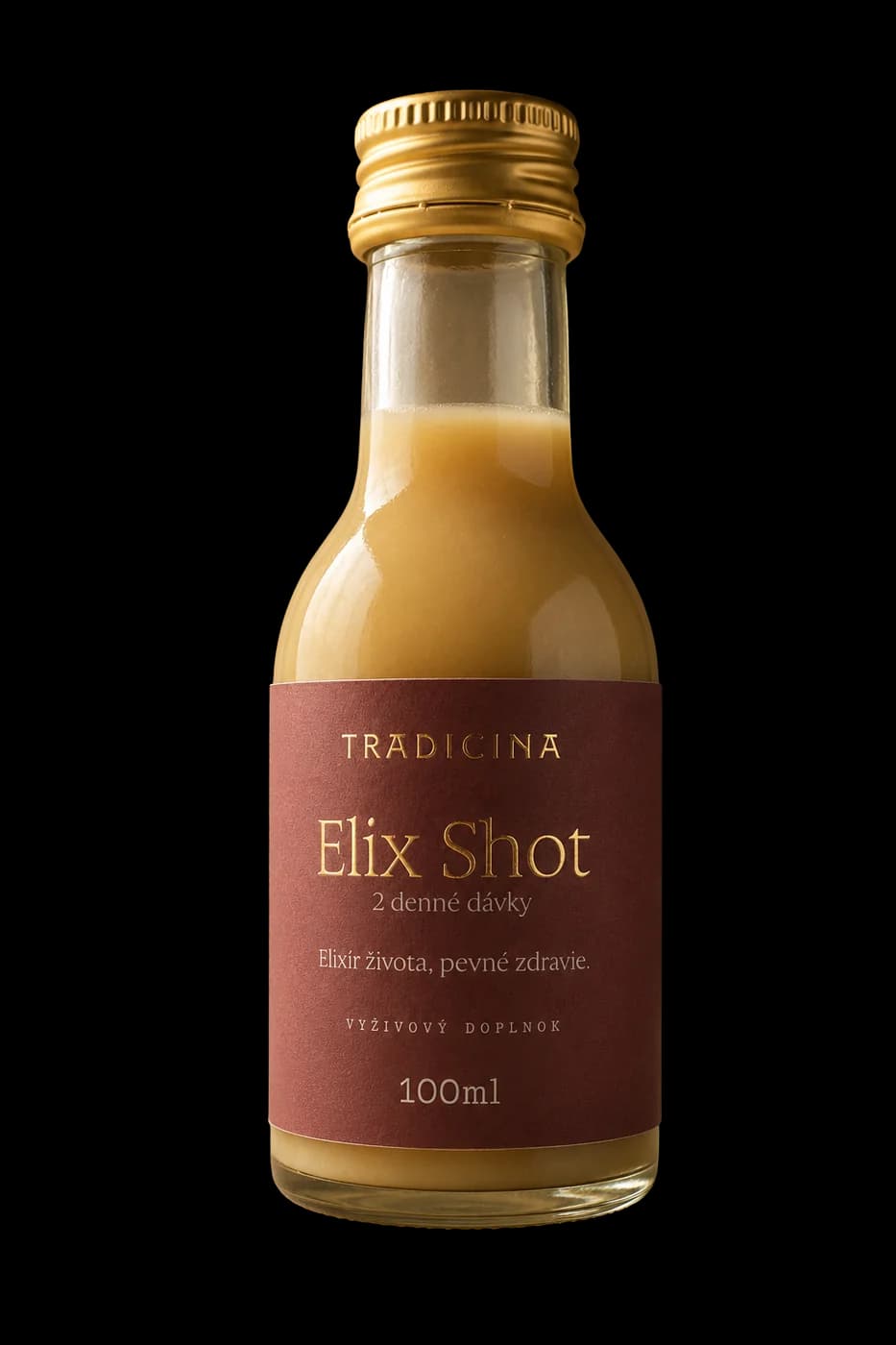
In our mushroom products we work with fruiting-body extracts, to preserve the full spectrum of 1,3/1,6 beta-glucans. We extract the mushrooms twice – with water and with alcohol – and set the result in raw organic honey. No fillers, traceable origin – organic honey and organic medicinal mushrooms from Czech forests, certified organic. We run lab analyses for shilajit.