

Reishi: what the lacquered bracket fungus is and why everyone talks about it
Reishi (Ganoderma lucidum) is a mushroom with a 2,000-year tradition. See what research says about it, how to choose it and what to watch out for
5 min read
Reishi: what the lacquered bracket fungus is and why everyone talks about it
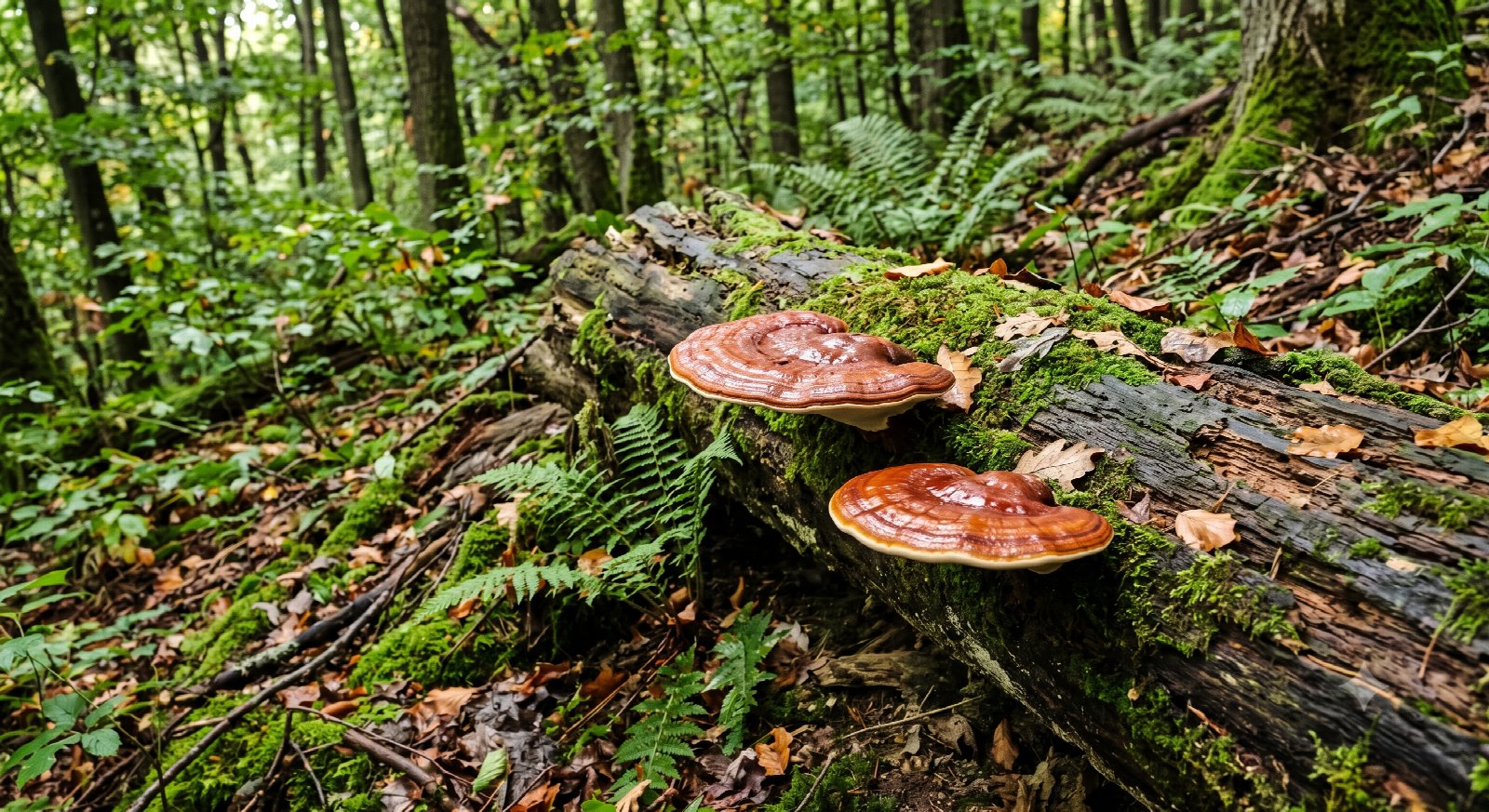
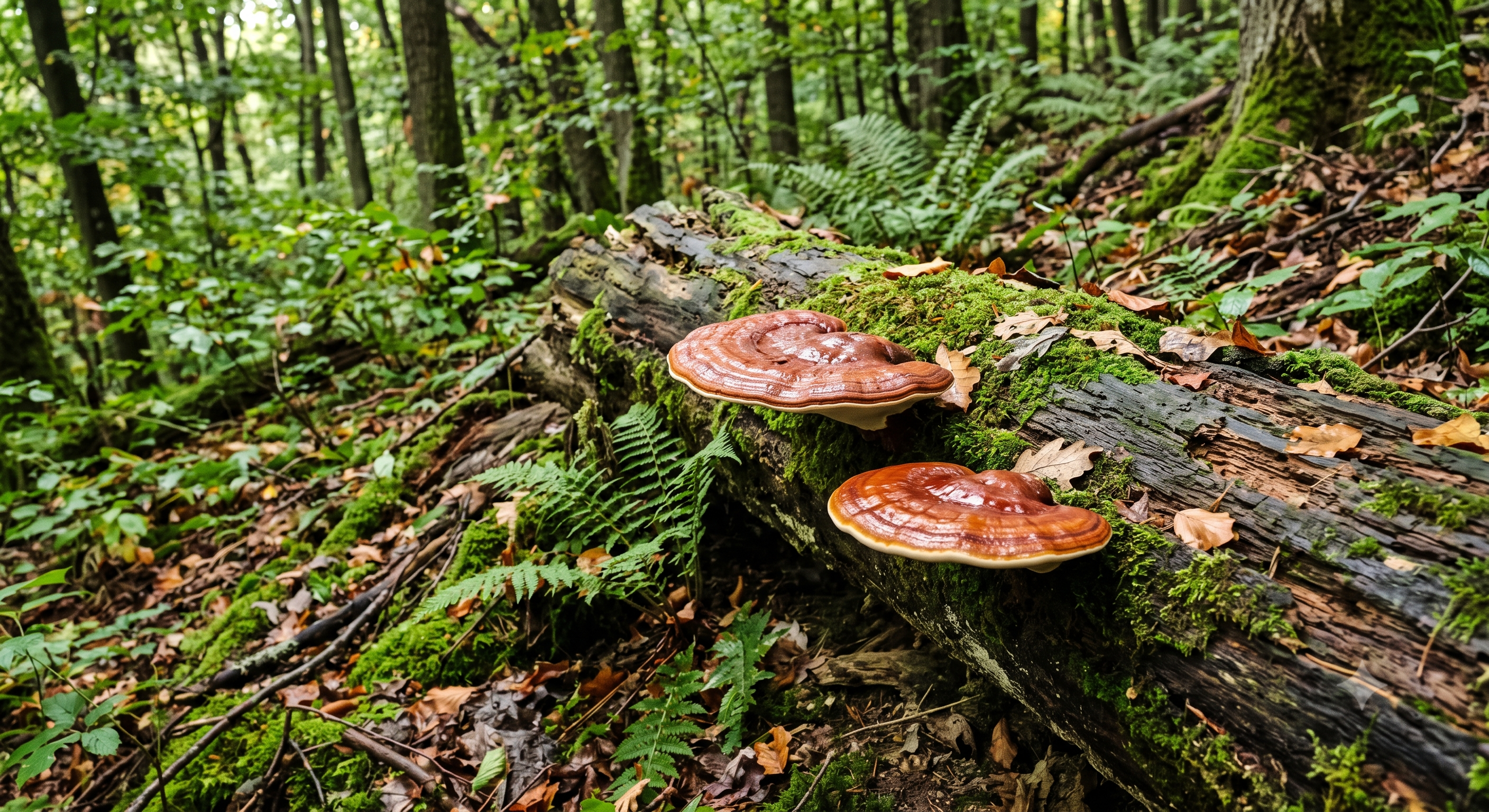
If there is one mushroom with an almost mythical reputation, it is reishi. In China it is called lingzhi – the “mushroom of immortality" – and for centuries it was reserved for emperors and the nobility. In English it is also known as the lacquered bracket (Ganoderma lucidum): a hard, woody mushroom with a distinctive glossy, lacquered cap in shades of rust and chestnut.
Reishi is not a mushroom you put on your plate – it is too tough and bitter. All the more interesting, then, is what is being studied inside it. Let's take an honest look at what makes reishi special, what research says about it and how to approach it sensibly.
What reishi is
Reishi grows on the stumps and trunks of broadleaf trees, especially oaks. It is rare in the wild, so today the vast majority of reishi is cultivated – most often on wooden logs, which is good news in terms of quality.
Reishi has had a place in traditional Chinese medicine for more than 2,000 years. It was counted among the “mushrooms that nourish the spirit" and associated with calm, balance and long life. It is precisely this traditional association with calming that explains why reishi often appears in evening blends.
Key bioactive substances
Reishi contains two main groups of substances that attract scientific interest:
- Triterpenes (ganoderic acids) – bitter compounds that give reishi its characteristic taste and are being studied in various contexts.
- Polysaccharides, especially beta-glucans – these are the focus of research into immune modulation.
With reishi, bitterness is a good sign – it is linked to the triterpene content. A sweet reishi is suspicious.
What research says
Reishi is one of the few mushrooms that have been the subject of top-level review analyses.
In the context of immunity, its polysaccharides and their effect on immune cells are being studied, so far mainly in laboratory and animal models.
The best-known human study is the 2016 Cochrane meta-analysis (Jin et al.), which summarised 5 randomised trials with 373 cancer patients. The authors looked at how the body responds when patients received reishi alongside chemotherapy or radiotherapy, compared with conventional treatment alone. The results are the subject of further research and relate solely to use alongside conventional treatment, which they in no way replace. Reishi is a food supplement, not a medicine, and is never a stand-alone solution. Any oncological decisions belong in the hands of a doctor; for serious health conditions, always consult a doctor.
In general, reishi may contribute to a feeling of calm and well-being as part of a healthy lifestyle – it is not a medicine, and no study attributes miraculous effects to it.
Why reishi is associated with calm
Reishi's traditional classification among the “calming" mushrooms is why people reach for it in their evening ritual. This has not been firmly proven scientifically; it is more a matter of centuries of experience and traditional use. If you are looking for a natural way to wind down after a demanding day, reishi is a traditional choice – but don't expect an “off switch" that puts you to sleep on command.
How to choose reishi
- Bitterness is a good sign. It is linked to the triterpene content. Sweet or tasteless = suspicious.
- Fruiting body, not mycelium on grain. Good-quality reishi comes from the fruiting body, not from mycelium grown on grain (which tends to contain a lot of starch and few active substances).
- Hot-water extract. Many active substances are only released by hot water during extraction.
Reishi and Tradicína
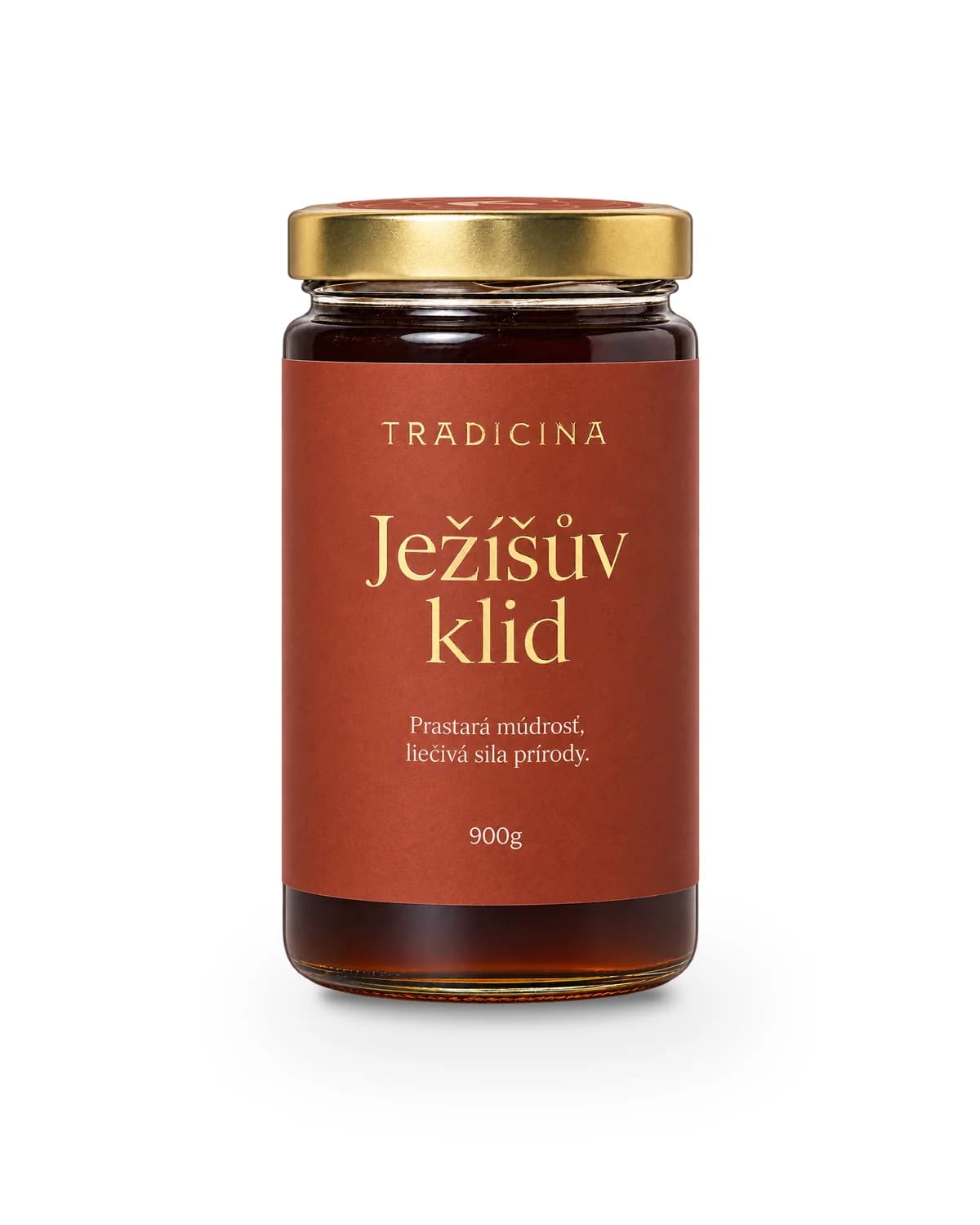
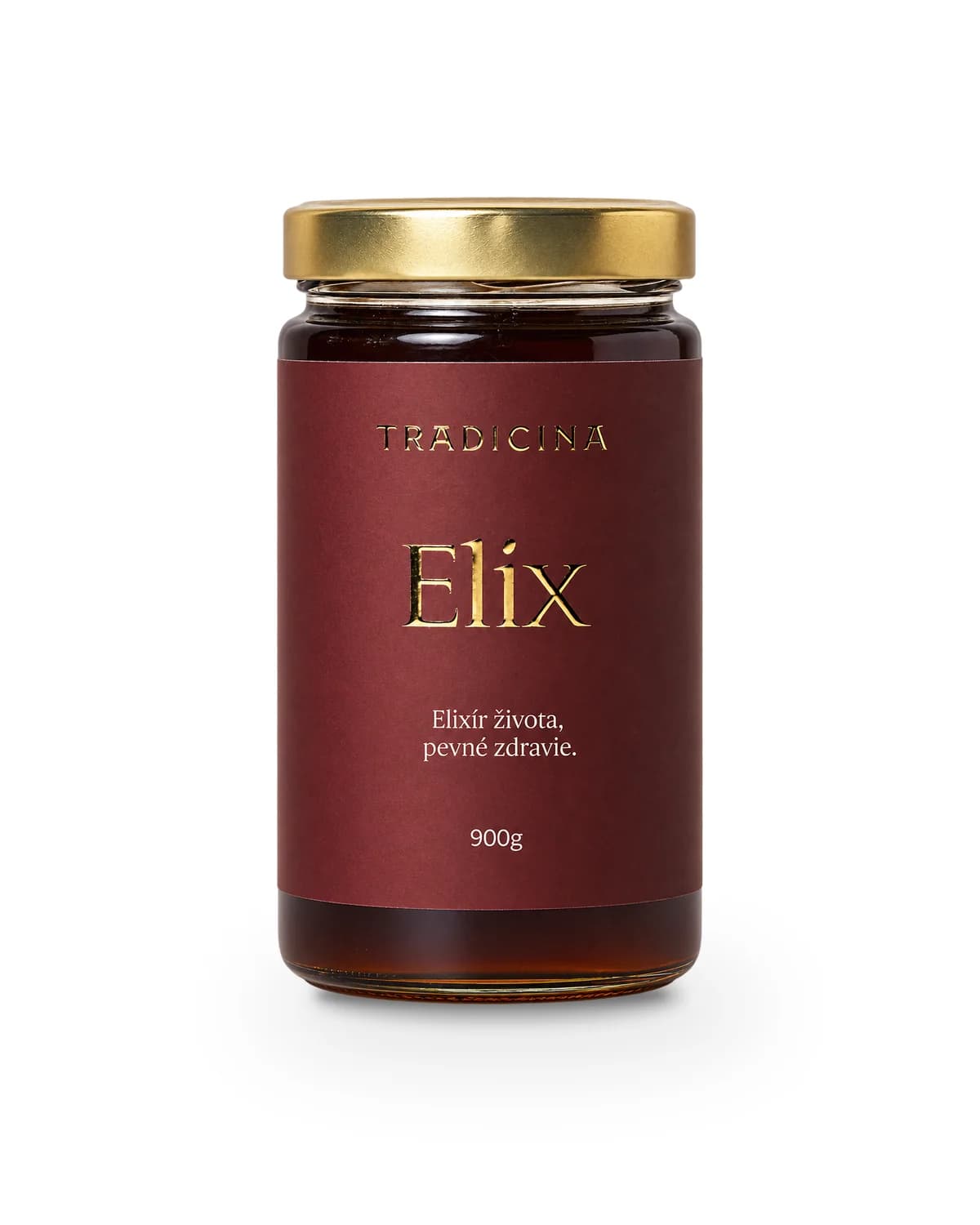
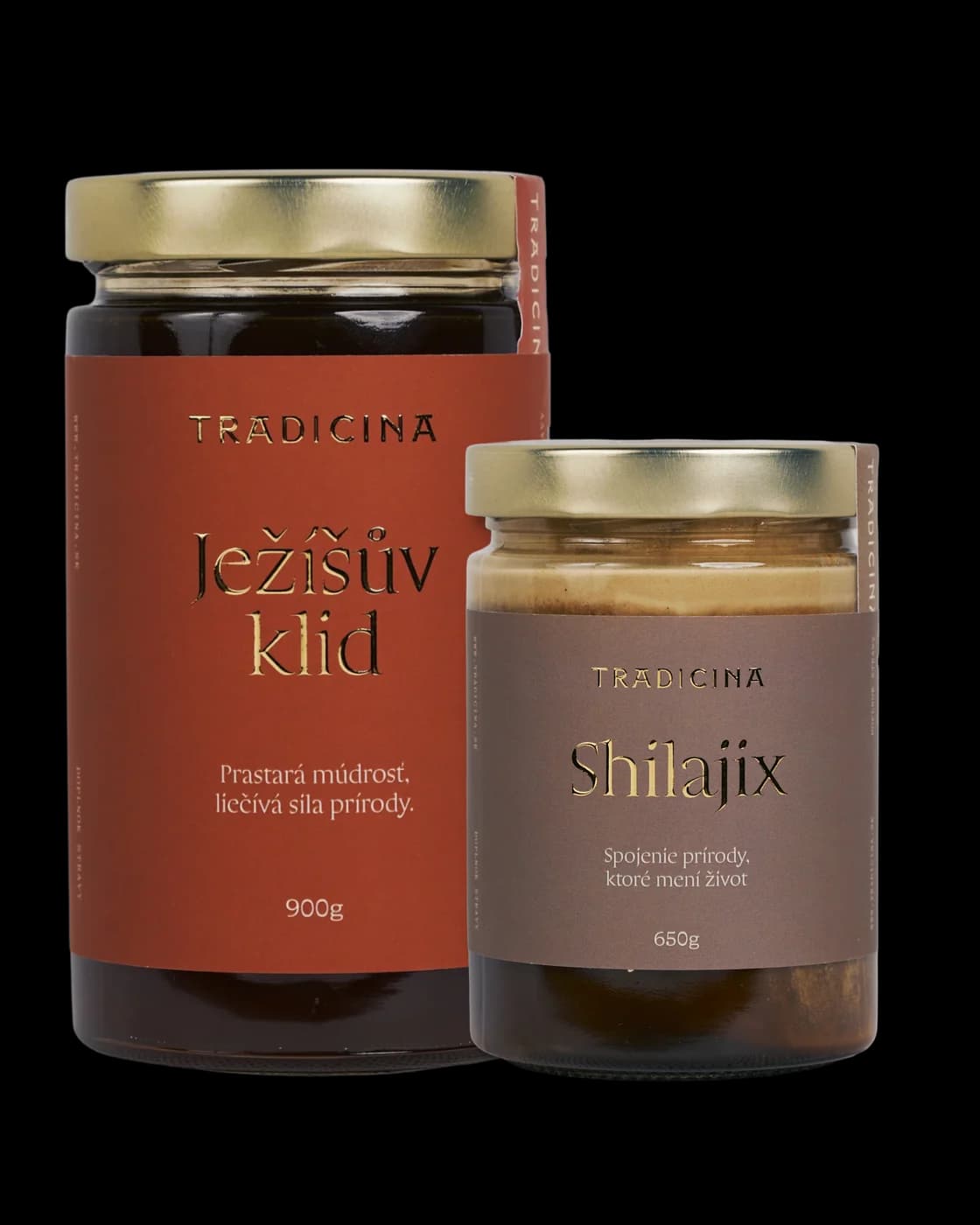
Reishi is part of our Ježíšův klid – a blend of adaptogens and medicinal mushrooms for winding down in the evening. Besides reishi, it contains ashwagandha, Baikal skullcap, opium poppy and corn poppy, complemented by chaga and shiitake. You will also find reishi in our ELIX.
Important for use: stir our honey blends into lukewarm water or lukewarm tea, or take them straight. Never into hot coffee or tea – raw organic honey contains enzymes and sensitive substances that degrade above 38 °C.
Who should be careful
Reishi has a mild antithrombotic (blood-thinning) effect, so take care:
- If you take blood thinners (warfarin, Pradaxa, Eliquis) – risk of increased bleeding, talk to your doctor.
- Before planned surgery – it is traditionally recommended to stop about 2 weeks before and after the procedure.
- If you take immunosuppressants (after a transplant) – be careful, as reishi acts on the immune system.
- Pregnant and breastfeeding women – data are limited, talk to your doctor.
Frequently asked questions
Why is reishi so bitter? The bitterness comes from triterpenes – among its main active substances. With reishi, bitterness is more a sign of quality.
Can I make reishi tea? Yes, as a traditional decoction of slices of dried mushroom. Never heat honey blends above 38 °C, though.
Does reishi help with sleep? Traditionally it is associated with calm and quiet. It is not a sleeping pill, however, and the scientific evidence is limited.
Summary
Reishi – the lacquered bracket fungus – is a mushroom with an exceptionally long tradition and considerable scientific interest, especially in the area of immunity and overall well-being. The most honest attitude is sober respect: it may contribute to a feeling of calm and well-being, but it is neither a medicine nor a miracle.
If you are interested in an evening ritual with reishi, take a look at Ježíšův klid – from nature, not from the lab.