





The truth about ultra-processed foods
If a product has more than 5 ingredients you would never use at home, it is ultra-processed. Why that bothers your body and how to find your way around it.
8 min read
The hidden truth about ultra-processed foods
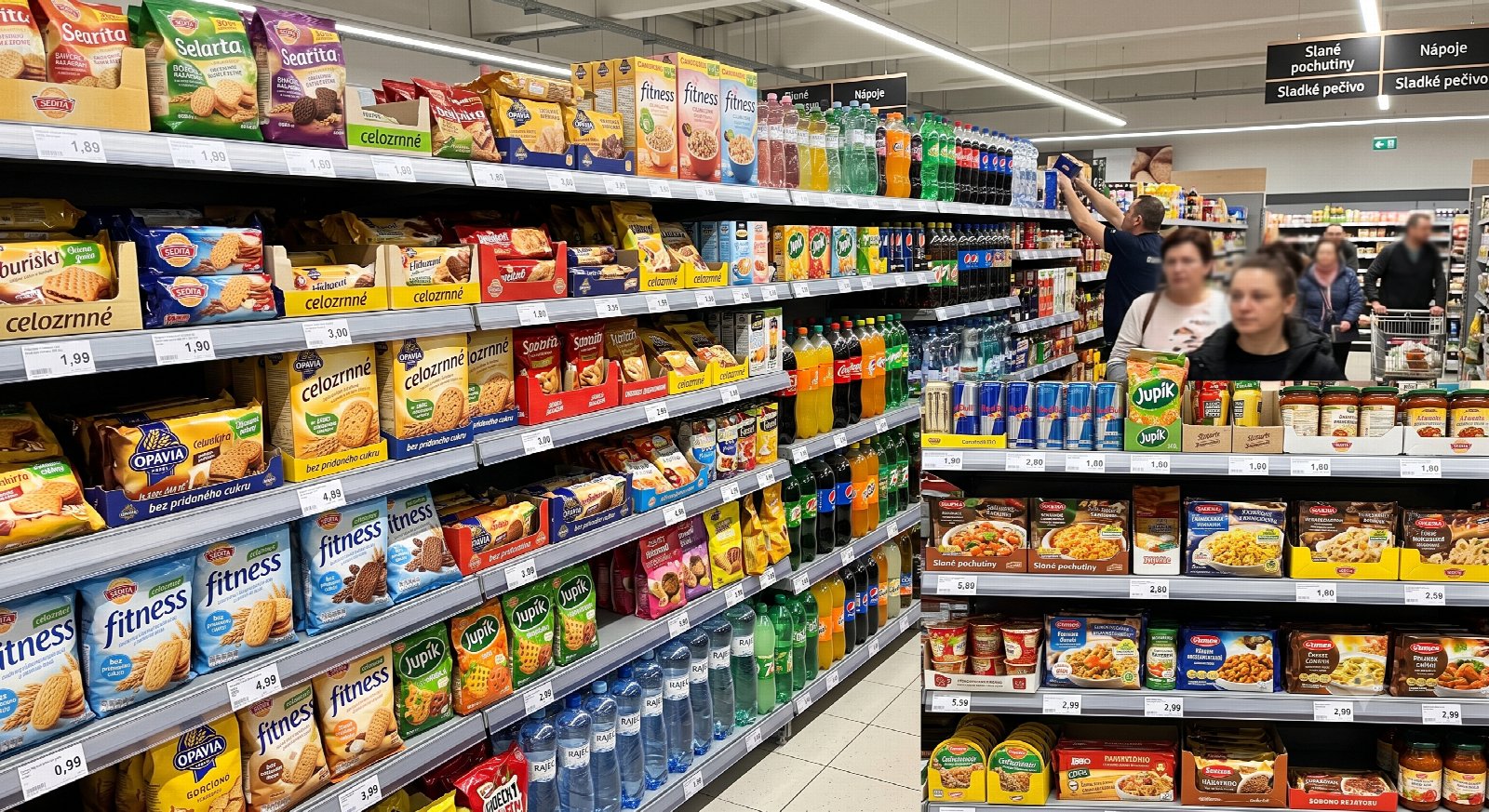
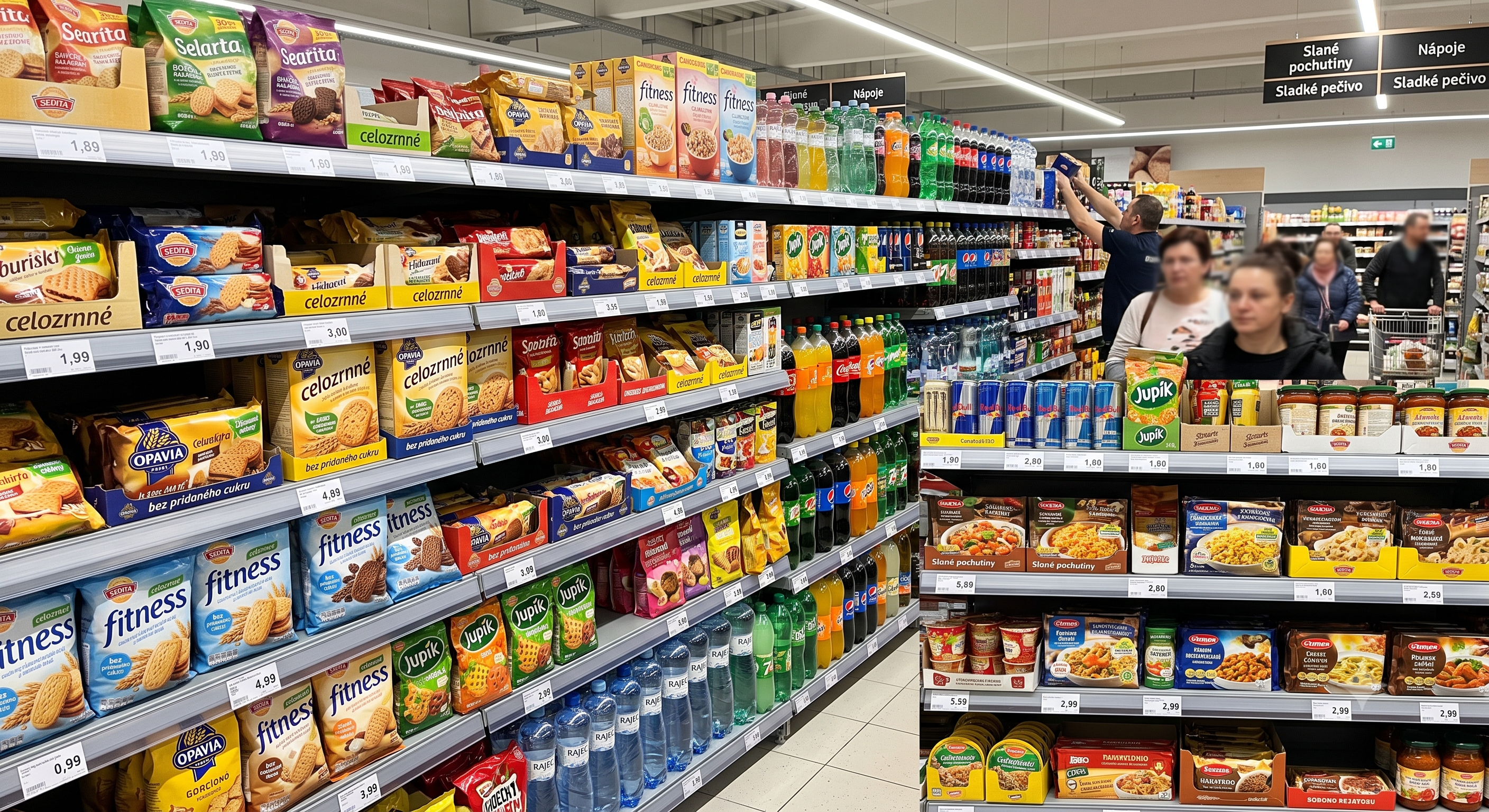
On supermarket shelves, colourful packaging tempts you. It promises convenience, a long shelf life and a taste that is hard to resist. But behind this pleasant exterior lies an unpleasant reality: ultra-processed foods can quietly undermine your health, energy and long-term vitality.
Understanding what these products really contain - and how they affect the body - is the first step to taking your health back. At Tradicína we believe that real, unprocessed food is always a better choice than an industrial product with fifteen ingredients.
What are ultra-processed foods?
Ultra-processed foods are industrial formulations that usually contain five or more ingredients - most of which you would never use in your own kitchen. They go through several stages of processing and often contain additives designed to improve taste, texture, colour and shelf life.
Typical examples include packaged snacks, sugary cereals, instant noodles, ready meals, sweetened drinks, processed meats and industrially produced baked goods. The problem is not processing as such - even olive oil is technically processed. The problem is the extent of industrial processing and the presence of synthetic additives.
A chemical cocktail in your food
When you look at the ingredients list of ultra-processed products, you will come across a host of additives that serve industrial rather than nutritional purposes. Emulsifiers help mix what would naturally separate. Artificial colours make the product visually appealing. Preservatives extend shelf life far beyond what natural food could manage.
The concern is not only about individual additives - although serious questions are being raised about some of them too. It is mainly about the cumulative effect of regularly consuming these chemical combinations, often several times a day. Your body is not evolutionarily prepared to process synthetic substances in such quantities, and according to newer research this mismatch may contribute to many health problems.
How ultra-processed foods affect health
Research links regular consumption of ultra-processed foods with several worrying consequences. These products can contribute to weight gain and obesity - partly because their artificially engineered flavour profiles override the natural signals of fullness. Once you start eating, it is hard to stop.
Beyond weight, these foods may play a role in metabolic problems, including insulin resistance and blood sugar swings. The highly refined carbohydrates and added sugars they contain cause sharp spikes in blood sugar followed by a crash - which leaves you tired and craving more processed food. A vicious circle.
Your heart can suffer too. Studies show that people who eat more ultra-processed food have a higher risk of cardiovascular disease and high blood pressure. Excess salt, unhealthy fats and the absence of the protective nutrients found in whole foods may all contribute.
Perhaps the most serious point is the impact on gut health. Your digestive tract is home to trillions of beneficial bacteria that feed on the fibre and nutrients in natural foods. Ultra-processed products lack these nutrients and also contain additives that can disrupt the gut microbiome. And because the gut influences digestion, immunity and mood, the impact reaches practically everything.
The mental and emotional side
The effect of ultra-processed foods goes beyond physical health. New research suggests these products may also affect mental well-being - in epidemiological studies they have been associated with mood swings and poorer coping with stress. The gut–brain connection means that what you eat directly shapes how you feel, how you think and how you respond to the pressures of the day.
Many people also describe feeling something like a dependence on certain ultra-processed foods. This is no accident. These products are often formulated to hit the so-called bliss point - the precise ratio of salt, sugar and fat that maximises the craving for another bite. They are designed to make you eat more than you need.
How to break free
The transition does not require perfection or an overnight revolution. Start by reading the ingredients. If you cannot pronounce an ingredient or would never use it in your own kitchen - that is a red flag.
Focus on adding, not just removing. When you start eating nutrient-dense whole foods - fresh vegetables, fruit, nuts, seeds, good-quality protein and healthy fats - you will naturally crowd out processed foods. Your taste buds adapt, and after a while the products you used to love start tasting artificially sweet or too salty.
In the shop, shop around the edges - that is usually where the fresh vegetables, fruit, meat and eggs are. Avoid the rows of aisles full of processed products in the middle.
Cooking at home does not have to be complicated. Sometimes the simplest dishes are the best. A piece of good fish with roasted vegetables and olive oil is ready in twenty minutes - and afterwards you feel energised, not heavy.
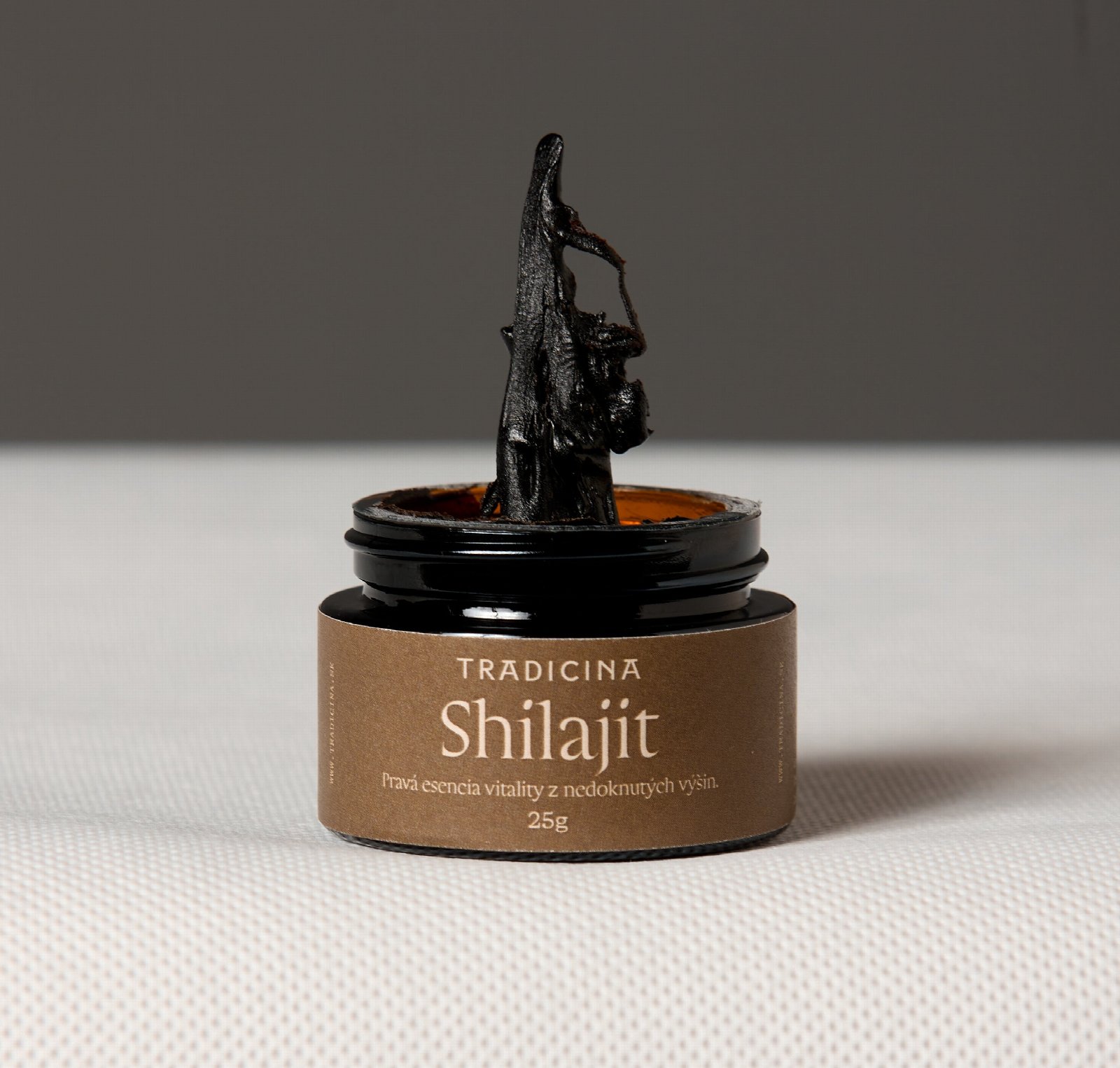
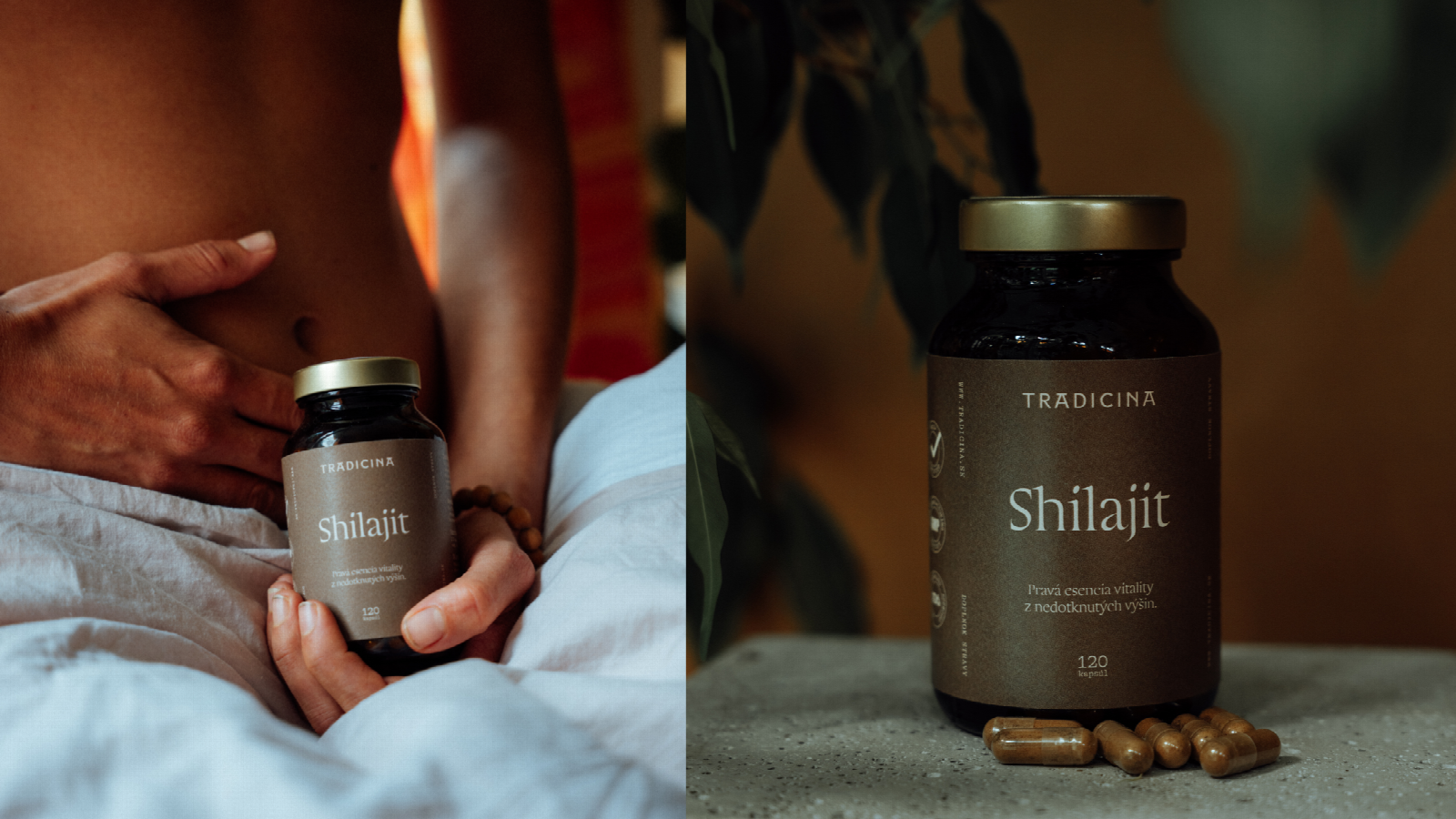
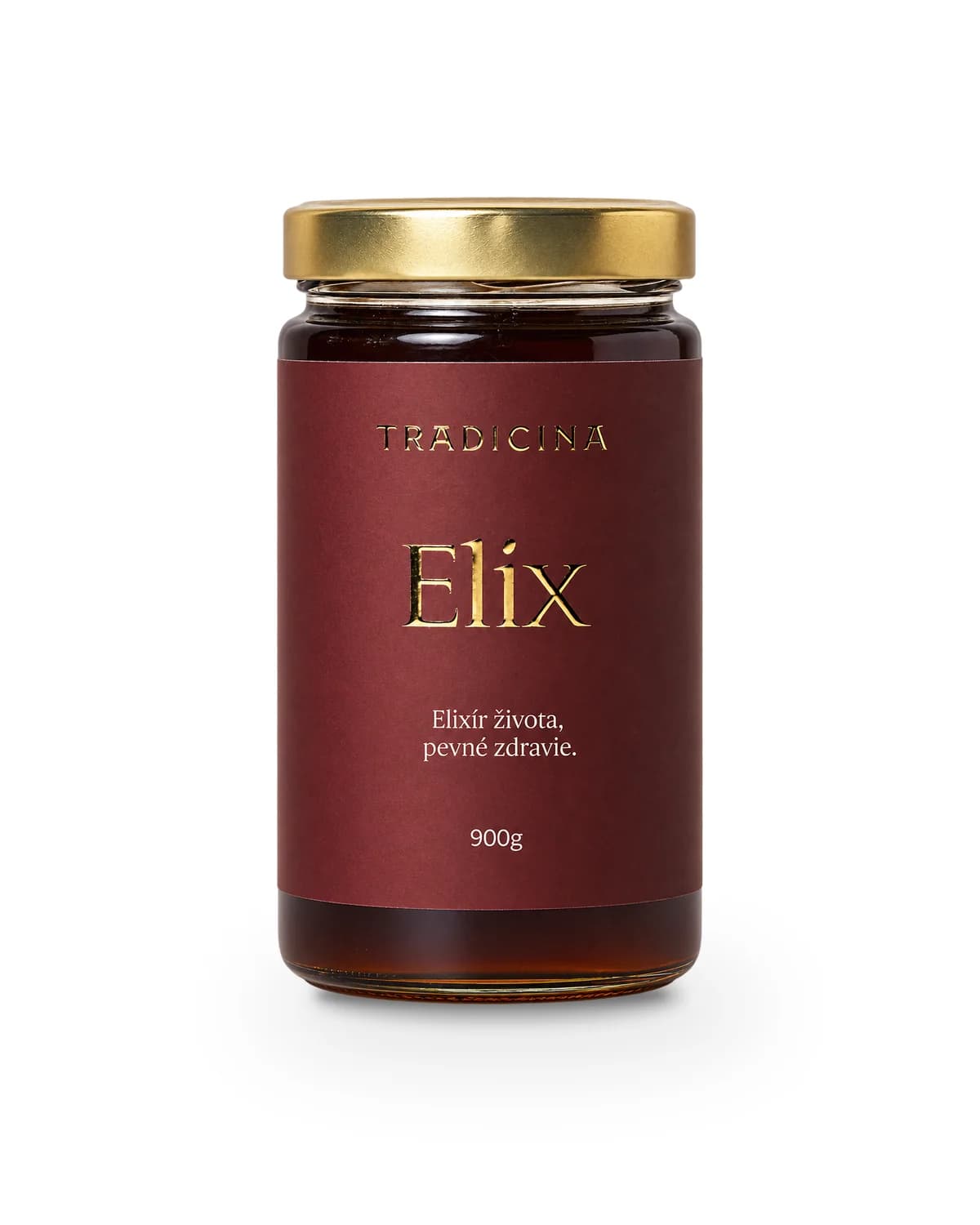
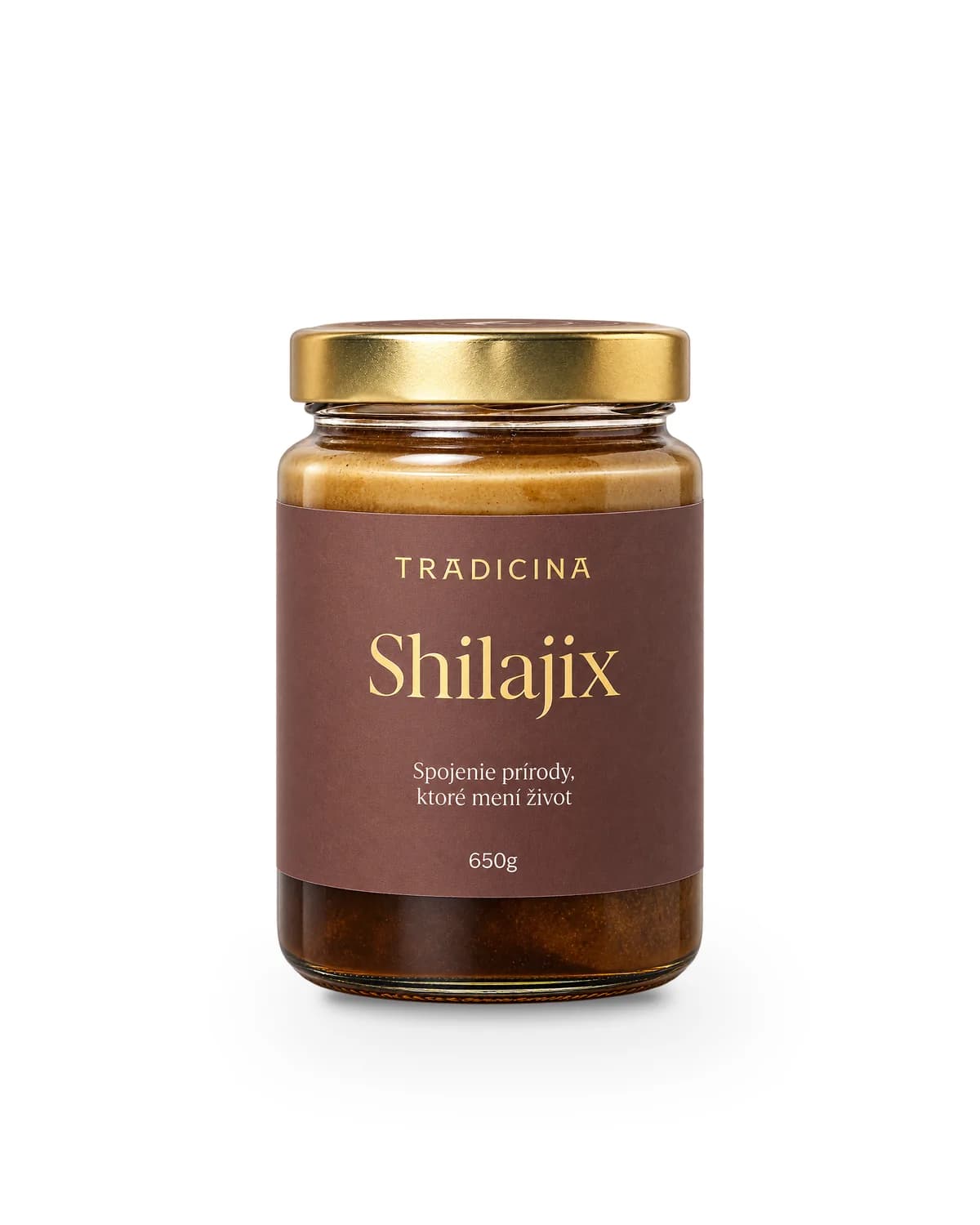
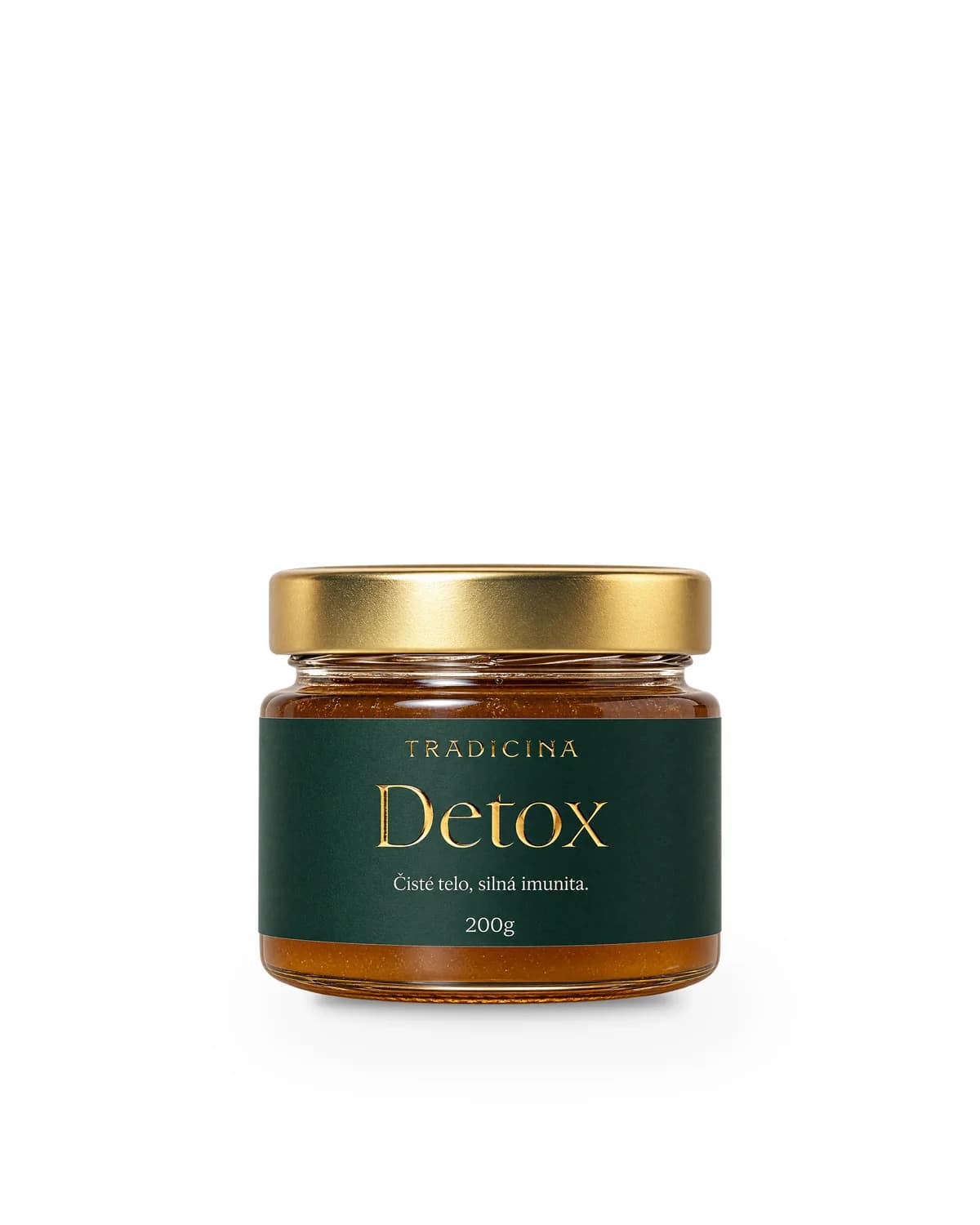
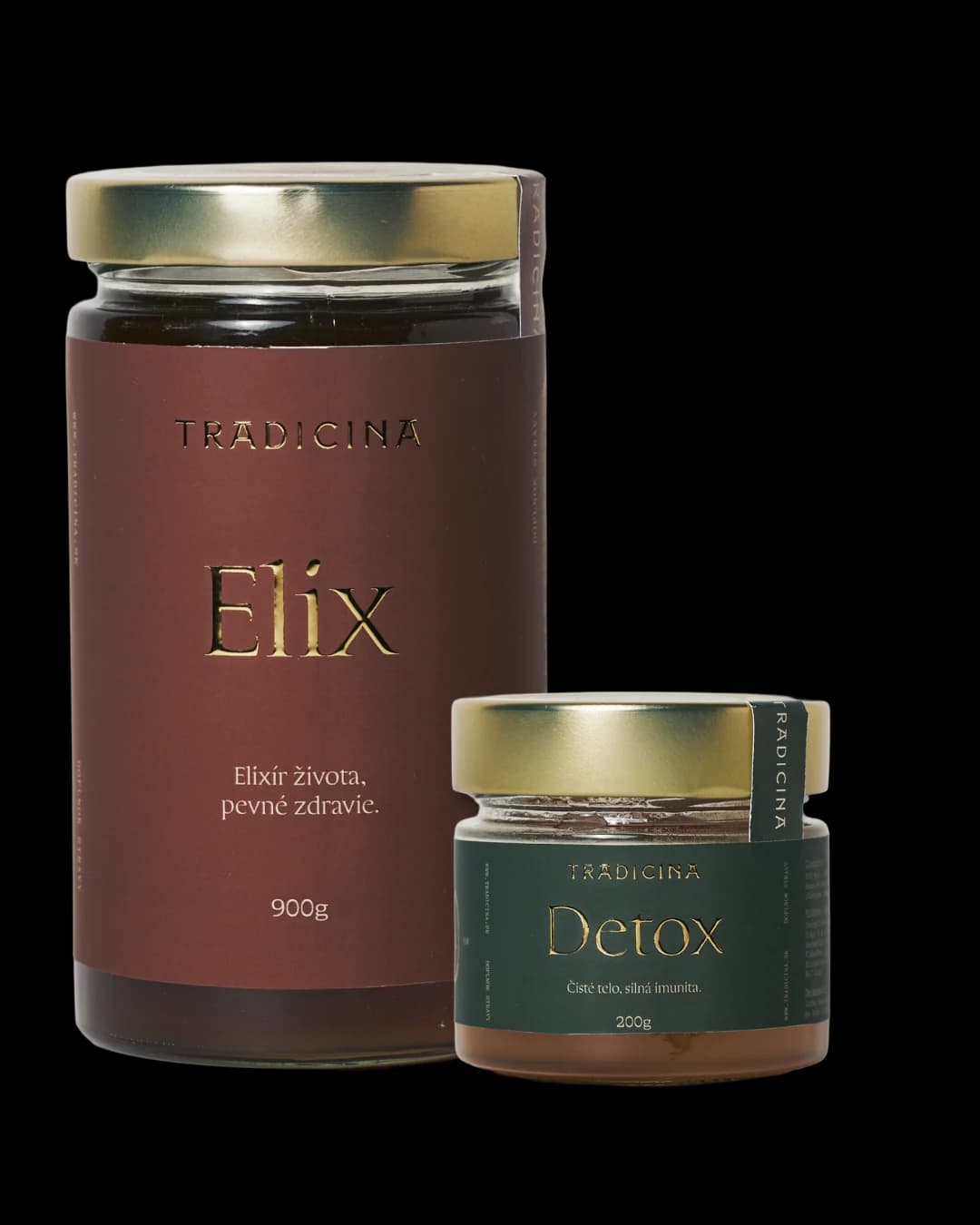
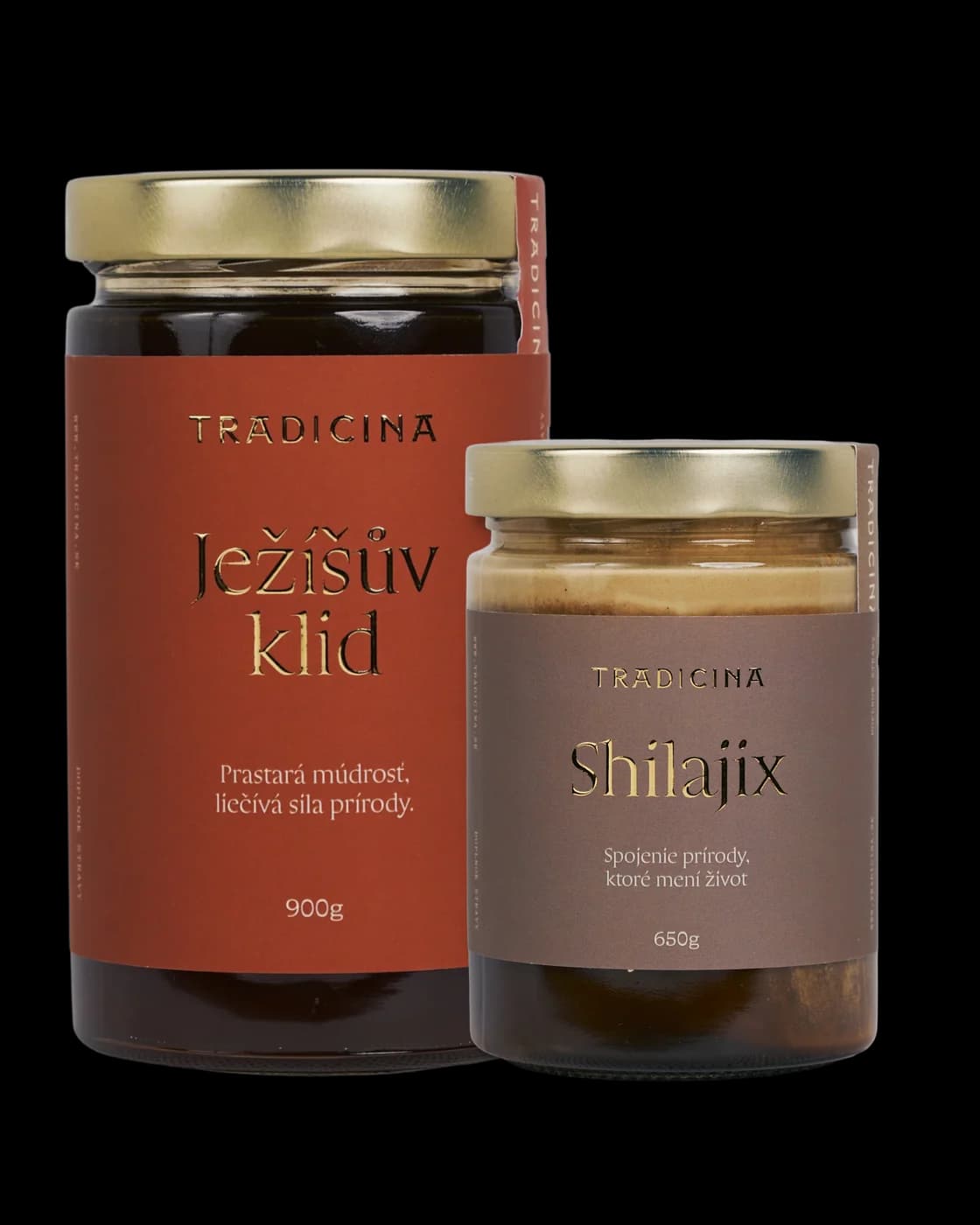
And when you are looking for quality in an ingredients list, less is more. The honey we at Tradicína use as the base for ELIX, DETOX, SHILAJIX and Ježíšův klid has one ingredient: Slovak organic honey. Plus mushrooms and herbs. No emulsifiers, no preservatives, no substitutes. The way people have done it for centuries.
Ultra-processing has reached the world of “superfoods" too
One more thing worth noting. Today, ultra-processing is not only hiding in crisps and instant noodles. It has also crept into the “superfood" category, where you would least expect it - including powdered medicinal mushrooms.
As Jeff Chilton (co-founder of Nammex / Real Mushrooms) explained on a podcast: a large share of the lion's mane, reishi and cordyceps products on the world market are not mushrooms in the sense you imagine. They are mycelium grown on cereal grain - oats, rice or sorghum - which is dried together with the grain and ground into powder.
Wu and colleagues documented this in the Journal of Agricultural and Food Chemistry (2016). They tested 19 products from the US market and found that mycelium-on-grain products contained only 5–10 % beta-glucans (the key bioactive substance) - the rest was mostly cereal starch. The actual fruiting body of the mushroom contained 25–60 %.
Quite literally: you are buying expensive pouches of ground porridge oats labelled “mushrooms for the brain".
How can you tell? There is a simple test you can do at home. Put a drop of Lugol's iodine solution (from a pharmacy, €2–4) on the powder. If it turns dark blue to black, it contains cereal starch. A real mushroom contains no starch - the iodine stays yellowish-orange.
At Tradicína, in ELIX we use the fruiting bodies of reishi, chaga, maitake, shiitake and oyster mushrooms - not mycelium on grain. That is also why our mushrooms cost more than some powders on Amazon.
The ripple effect of clean eating
And one more piece of good news. It is not only about what you avoid - but also about what you add. An epidemiological study by Feng et al. at the National University of Singapore (Journal of Alzheimer's Disease, 2019) followed 663 seniors over the age of 60. Those who ate mushrooms at least twice a week were half as likely to have mild cognitive impairment as those who ate less than one portion. That is the power of natural food - not a pill, not a syrup, just a mushroom.
The path to better health runs through adding real foods just as much as through removing artificial ones.
Read labels like a professional
Learn to recognise the names that added sugar hides behind: glucose-fructose syrup, maltodextrin, dextrose and dozens of others. The same goes for unhealthy fats and additives, which often hide behind technical names that obscure their true nature.
A good rule: the shorter the ingredients list, the better. Ideally, you should be able to picture every ingredient. If you need a chemistry degree to work out what is in a product, it probably does not belong in your body.
When you decide to eat real, whole foods, the benefits reach every area of life. People report steadier energy, deeper sleep and clearer thinking. These are not dramatic transformations - it is simply your body starting to work the way it was designed to when it gets real nutrition instead of an industrial substitute.
Frequently asked questions
What is the difference between processed and ultra-processed foods?
Not all processing is a problem. Processed foods have undergone simple treatments - freezing, drying, fermenting - techniques people have used for centuries. Frozen vegetables, dried fruit, tinned tomatoes, yoghurt. These products usually contain few ingredients and keep most of their nutritional value.
Ultra-processed foods are something else entirely - industrial creations with dozens of additives, preservatives, emulsifiers and artificial ingredients. Often they no longer even resemble the original raw material they were made from. Instant noodles, packaged snacks, sugary cereals. The key difference lies in the degree of industrial processing and the presence of synthetic additives that are there for commercial rather than nutritional reasons.
Are all packaged foods ultra-processed?
Not necessarily. Some packaged foods are minimally processed and have simple, recognisable ingredients. Frozen vegetables with nothing added, tinned beans in brine, nut butter made only from nuts and salt. The key is to read the ingredients and choose products with a short list of whole ingredients rather than a long list of additives.
How quickly will I notice a change when I cut down on ultra-processed foods?
Many people feel a difference within a few days or a week. Steadier energy, less bloating and better sleep come fairly quickly. Longer-term benefits such as improved metabolic markers, weight changes and greater mental freshness can take weeks or months as the body adapts and heals.
The path to better health does not demand self-denial or extreme measures. It asks just one thing of you: to return to what the body has always known. Real food, grown naturally, prepared simply and eaten mindfully. Every meal is an opportunity to nourish yourself at the deepest level. And every decision to avoid ultra-processed food is an investment in your long-term vitality.
This article is for educational purposes and is not medical advice. For serious health problems, always consult a doctor.
Sources: