

Wooden spoon, metal and honey: what science says
No one has ever measured what a few seconds of a metal spoon does to honey or shilajit. What science actually tells us about steel, nickel, honey and resin – and why we still recommend a wooden spoon.
5 min read
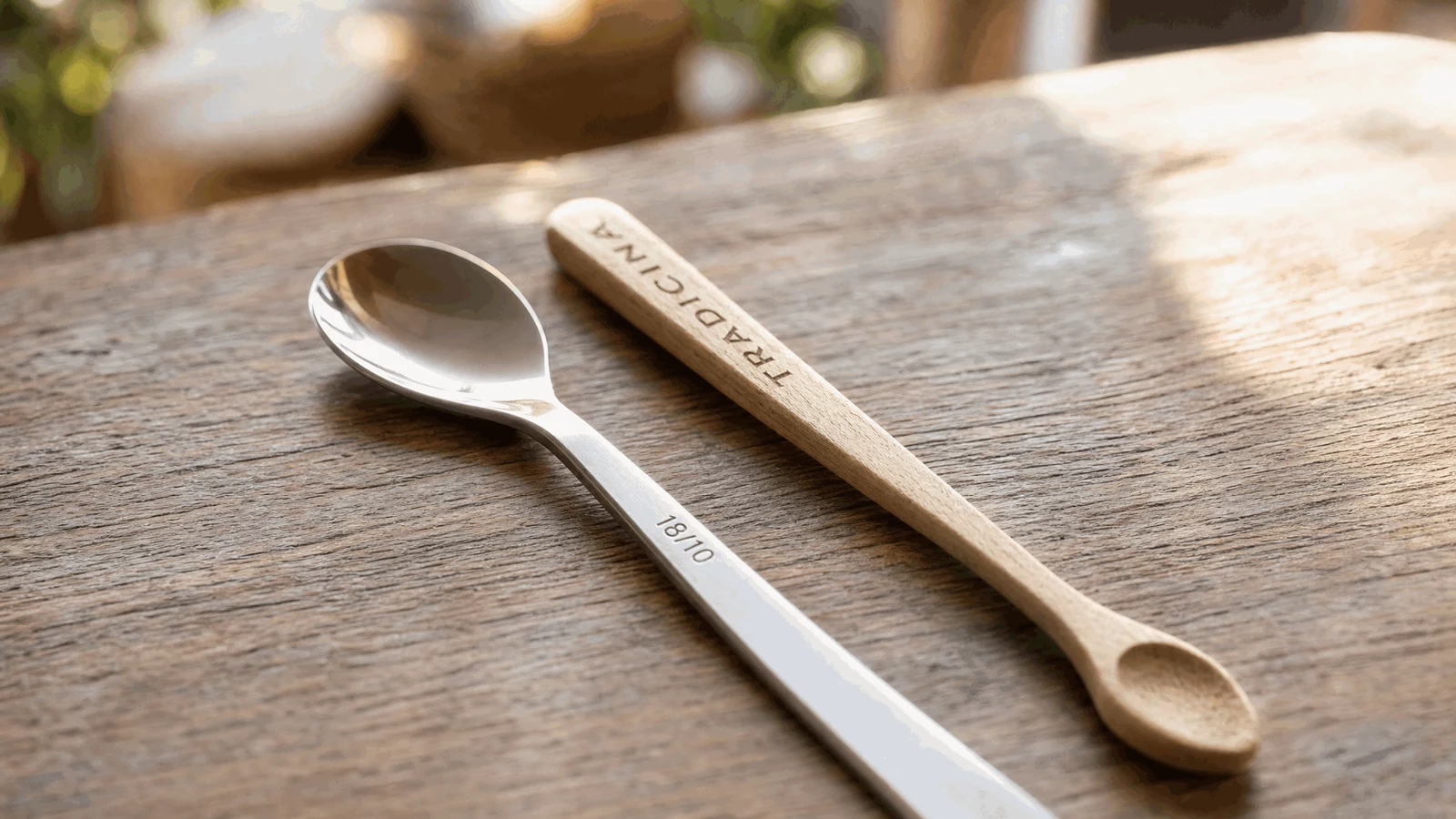
The advice „scoop honey only with a wooden spoon, never metal" has been passed down for years. We looked at what science actually says – and the answer is honest: no one has ever measured what a few seconds of contact between a metal spoon and honey or shilajit does. Every available study is about cooking acidic food in stainless pots for hours, or long-term storage in metal containers. And even those suggest that a quick scoop with a spoon does nothing measurable.
1. Stainless steel and the body
Common cutlery is made of 304 alloy (so-called „18/8" – around 18 % chromium and 9 % nickel) or 18/10. Cheaper cutlery is often „200-series" with less nickel and more manganese. A Japanese survey found 17 of 172 stainless products contained 10 to 20 % manganese (Shiozawa, 2017).
Metal leaches from stainless steel only with a combination of heat, time and acid. New cookware releases the most; with use it drops quickly as a protective passive layer forms.
- USA, Kamerud 2013: tomato sauce cooked for 6 hours; by the tenth cooking about 88 µg of nickel passed into a portion.
- Italy, Guarneri 2017: sauce cooked for an hour in a used pot – at most +18 µg of nickel per portion.
- Japan, Kawamura 1997: at room temperature no nickel was found even after 24 hours.
- Germany, BfR 2025: the national risk-assessment institute tested 194 kitchen tools (including coffee spoons) at 70 °C in acid. The highest nickel value was 0.032 mg/kg and not a single item exceeded the limit. Conclusion: no cause for concern.
In numbers:
- Spoon, brief contact (upper estimate): up to ~1 µg of nickel
- Typical daily nickel intake from food: 174 to 204 µg
- Safe daily intake per EFSA (70 kg): about 910 µg
So the spoon accounts for less than 1 % of what a person normally gets from food (cocoa, nuts, oats).
It matters in practice only for people with a nickel allergy – and there are many of them. Nickel contact allergy is the most common contact allergy of all and affects women far more often (mainly from ear piercing and jewellery): roughly 17 % of women versus about 3 % of men (Thyssen et al.). A smaller share develops systemic nickel allergy syndrome (SNAS) and reacts to nickel in food too; for them stainless steel really can be undesirable, and a low-nickel diet helps (Rizzi et al. 2017). Even for them, though, it is the overall nickel intake – the diet and long cooking in new cookware – that decides, not a few seconds of a spoon.
2. Honey and metal
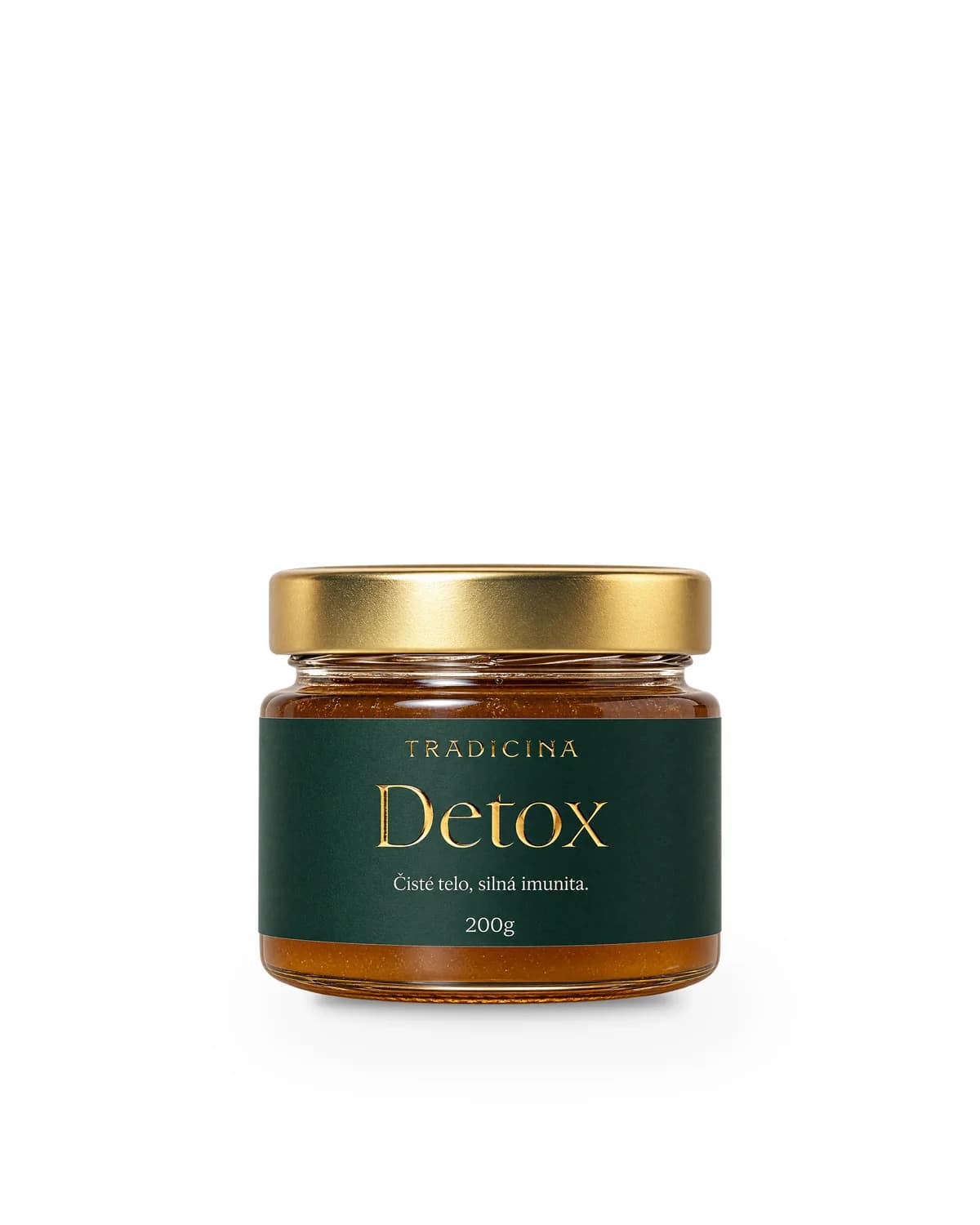
Honey is acidic (pH roughly 3.2 to 4.5), so with long storage it can dissolve zinc, iron and lead. That is exactly why standards forbid storing honey in galvanized, iron and copper containers, and in vessels soldered with lead. Stainless steel, by contrast, is explicitly permitted (Russian GOST 19792, the German beekeepers' association, Ontario in Canada).
A Turkish study from 2024 (Yiğit) showed that honey stored for 12 months in a tin can had the same enzymes and the same HMF as honey in glass. The advice „don't take honey with a metal spoon" came from turning a beekeeping storage rule into a scooping rule – no study supports it.
3. Shilajit and metal
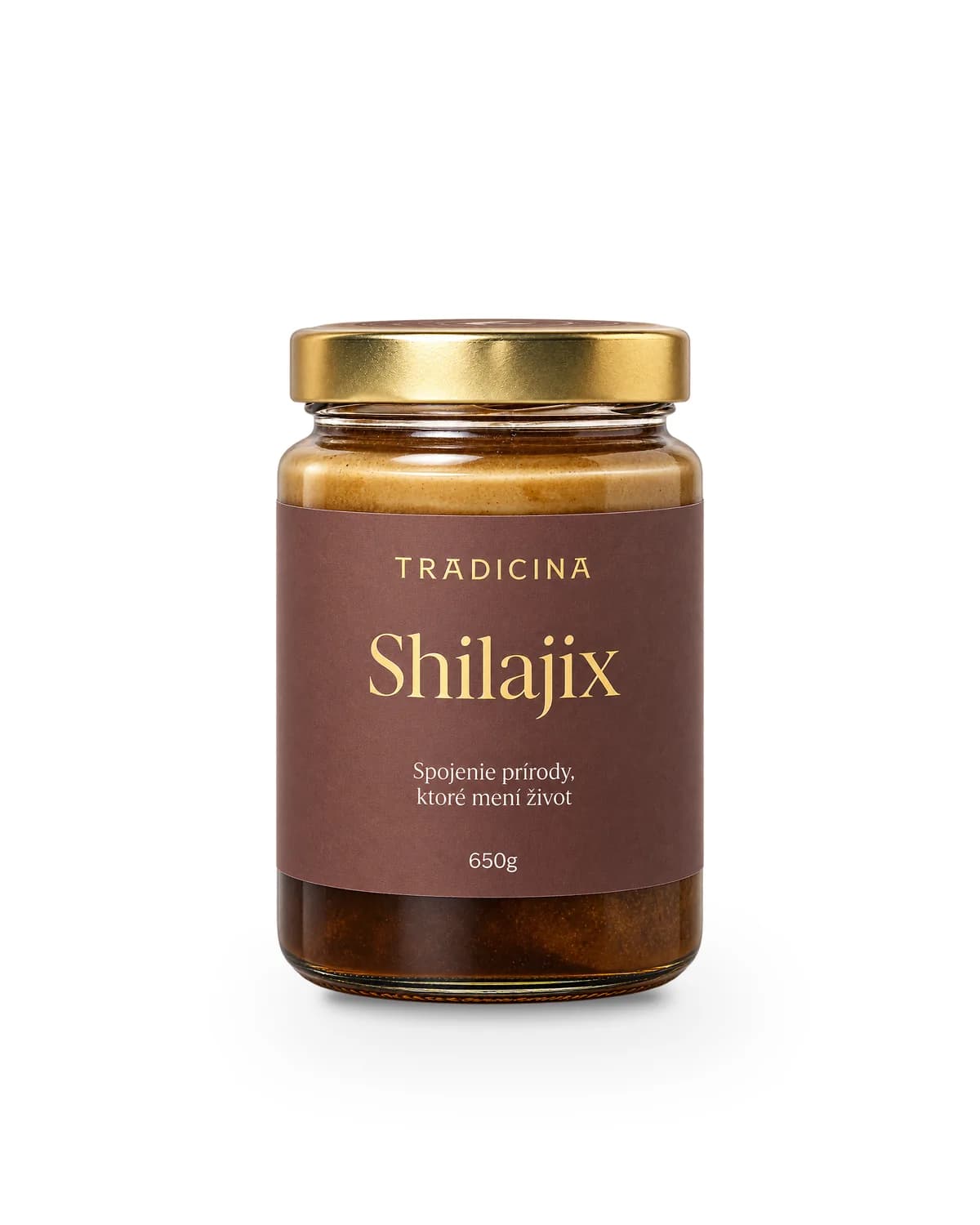
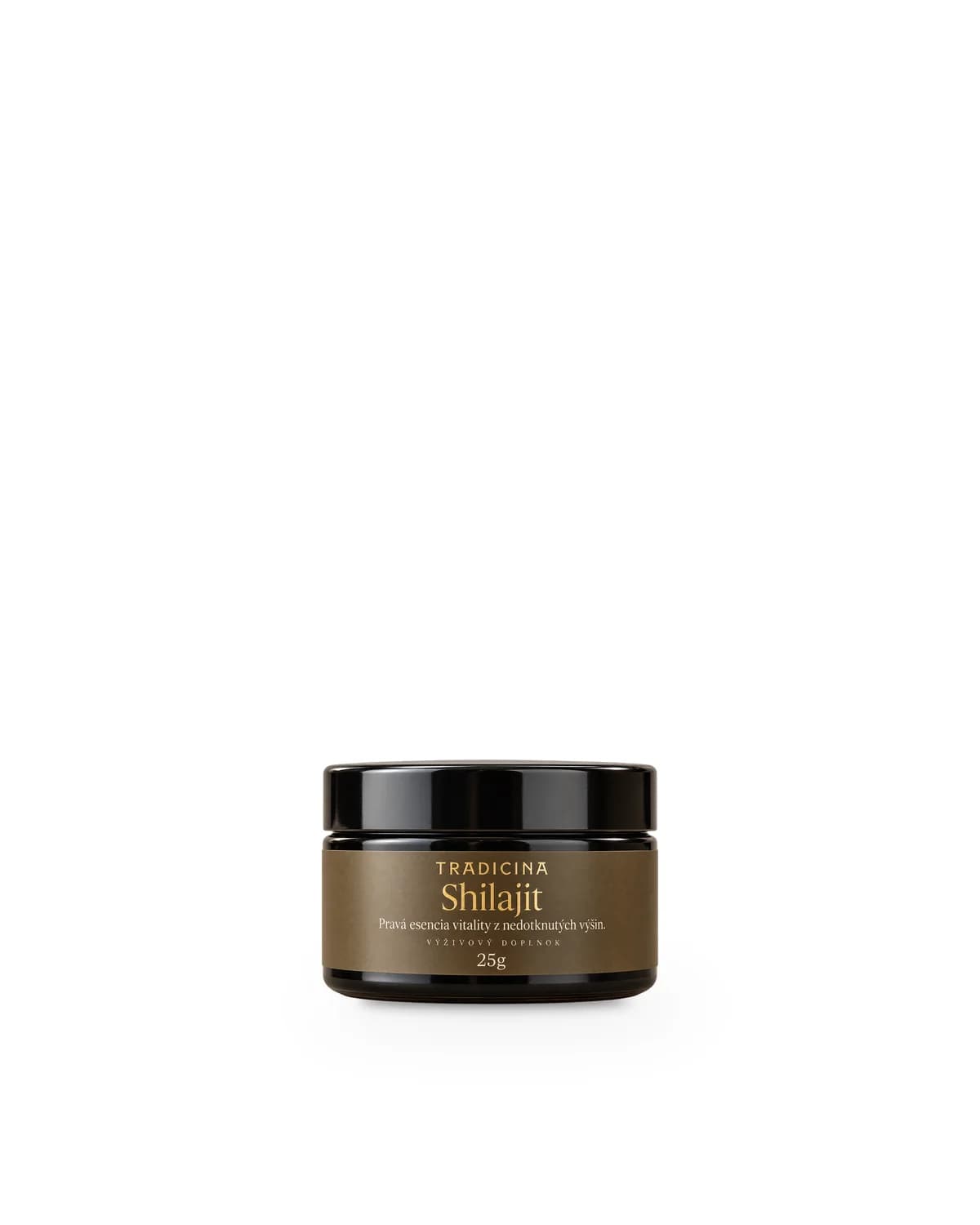
Fulvic acids in shilajit strongly bind metals (iron, copper, chromium, nickel; Schnitzer 1969). Whether they „pull" anything out of a spoon, however, no one has measured. Interestingly, the classic Ayurvedic purification of shilajit (shodhana) happens directly in an iron vessel, and old texts recommend combining it with iron – so tradition does not forbid metal. Unlike honey, moreover, shilajit is not acidic: by a single Indian measurement it is rather mildly alkaline (pH around 8), so acidity is not an argument for it.
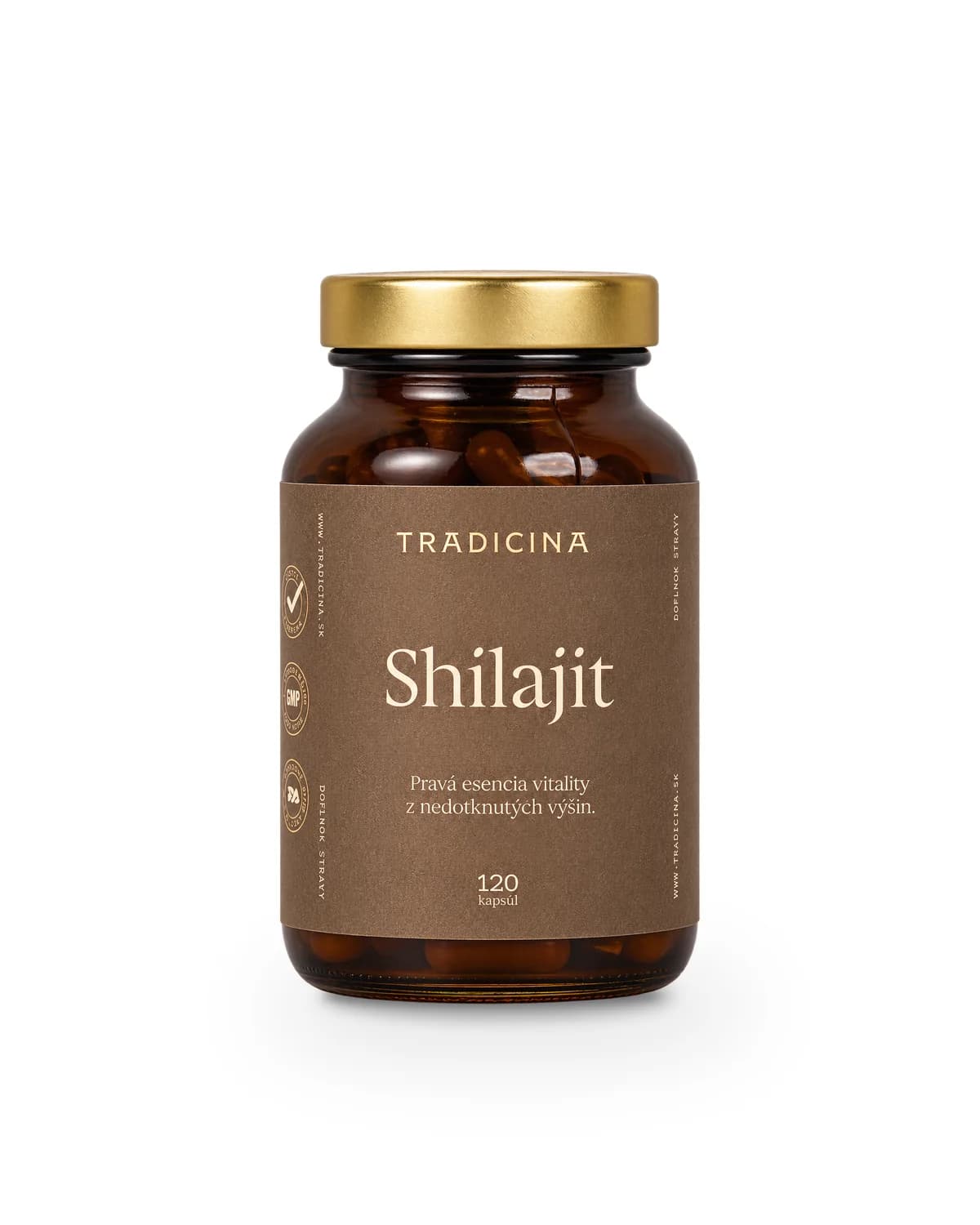
The heavy metals monitored in shilajit (lead, mercury, arsenic) come from the raw material, not the spoon. That is exactly why we lab-test every batch of shilajit and publish the analyses.
4. And mushrooms?
There is nothing on mushrooms and beta-glucans interacting with metal. Iron and copper ions dissolved in water do speed up the breakdown of vitamin C and tea catechins, but again only over hours and with heat (Buettner 1988, Gao 2021), not during a scoop with a spoon.
So why we recommend wood, not metal
Let us put it together. No one has proven that a few seconds of a metal spoon „ruins" honey or shilajit. And yet wood is the more logical choice – for concrete, evidence-based reasons:
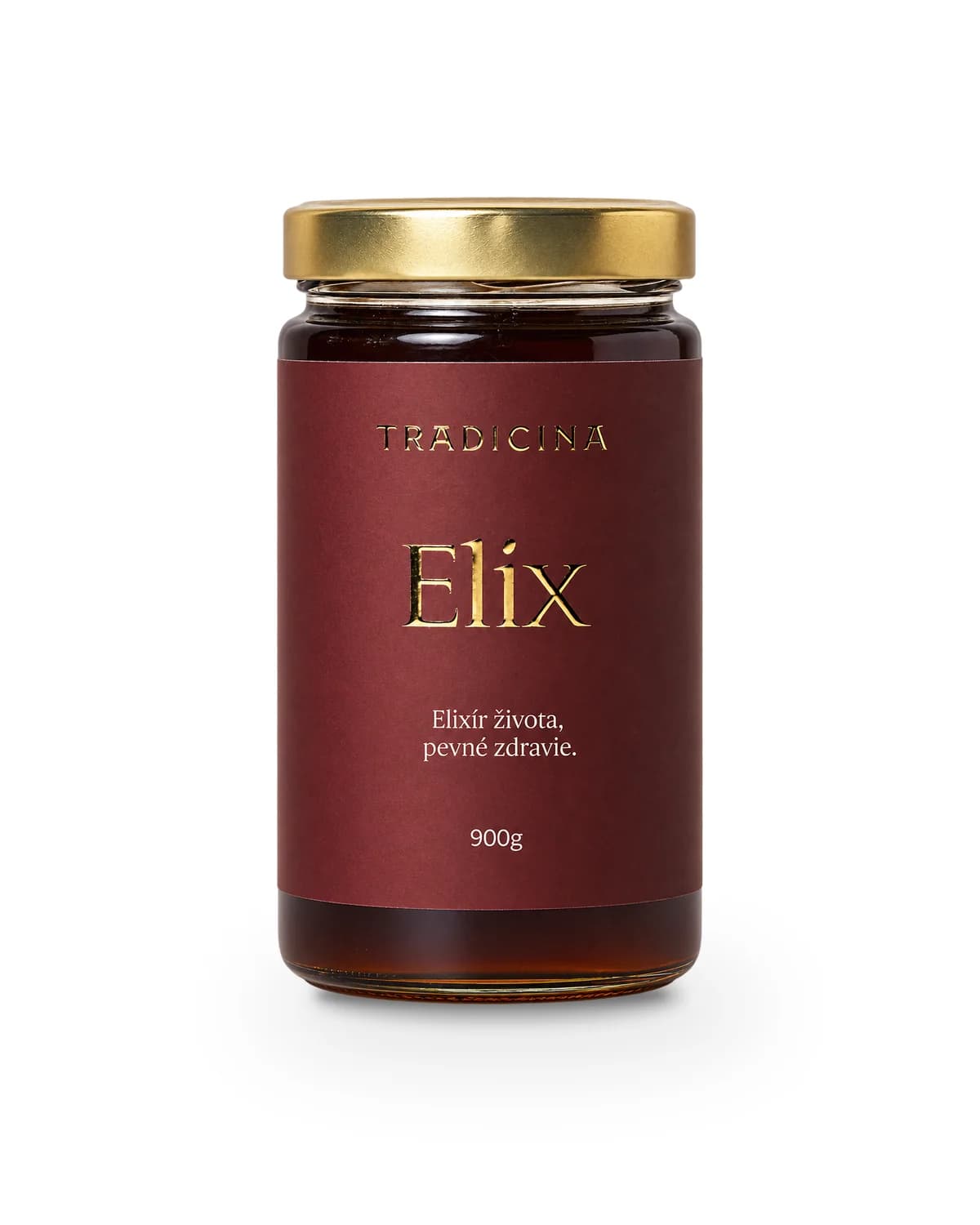
- Honey is acidic (pH roughly 3.2 to 4.5) and is used daily, over weeks and months. Acid, metal and time together leach metals – that is proven for storage, which is exactly why standards forbid metal for keeping honey. With wood this mechanism does not exist at all.
- Shilajit is not acidic – by the limited data it is rather mildly alkaline (pH around 8), so the acidity argument does not apply to it. But its fulvic acids do bind metals and it is also used long term, so inert wood is the more carefree choice here too.
- A non-negligible share of people are nickel-sensitive (more often women, and with SNAS even to dietary nickel). For them every source of nickel counts and stainless steel can be undesirable. Wood adds none.
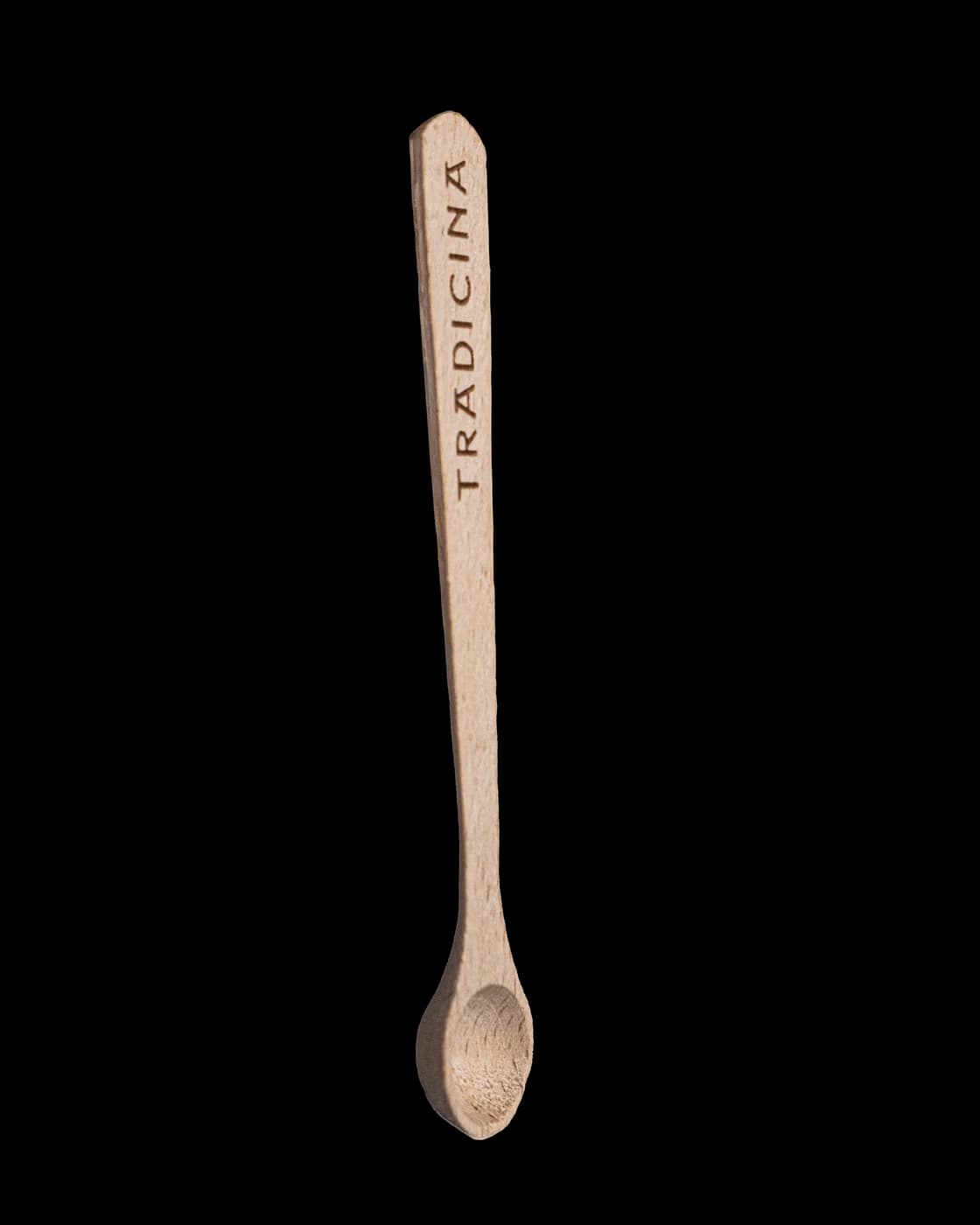
- Wood is inert. It does not react, releases nothing, does not scratch the glass, and at the same time serves as a precise measure of the daily dose.
In other words: wood has not a single drawback, metal has at least a theoretical one – and for sensitive people a real one. That is why we recommend a wooden spoon (a wooden stick for Shilajit RAW) – not out of fear, but as a cautious choice with no trade-off. And what really matters: do not store honey or shilajit in a metal container, especially not galvanized, iron or copper. The safety of shilajit, moreover, is decided by the lab analysis of each batch, not by the spoon.
That is why we include a wooden spoon free with the large jar; with the small jar we recommend adding one.
Sources
- BfR 038/2025 – Federal Institute for Risk Assessment (Germany)
- Kamerud et al. 2013; Guarneri et al. 2017; Kawamura et al. 1997
- EFSA 2020 – nickel; Shiozawa 2017
- Thyssen et al. – epidemiology of nickel allergy; Rizzi et al. 2017 – systemic nickel allergy syndrome (SNAS)
- Yiğit 2024 – honey in a metal container; Nakamura 1968
- GOST 19792; Ontario OMAFA
- Schnitzer 1969; Stohs 2014 – shilajit safety
- Council of Europe / EDQM – Metals and alloys in contact with food